Discover the top yard management best practices to streamline operations, maximize efficiency, and minimize costs.
In today’s fast-paced and competitive business environment, effective yard management is crucial for organizations to optimize their supply chain operations. A well-managed yard can streamline processes, improve efficiency, and enhance overall productivity. This article explores various best practices in yard management that can help businesses achieve these goals and stay ahead in the market.
Understanding Yard Management
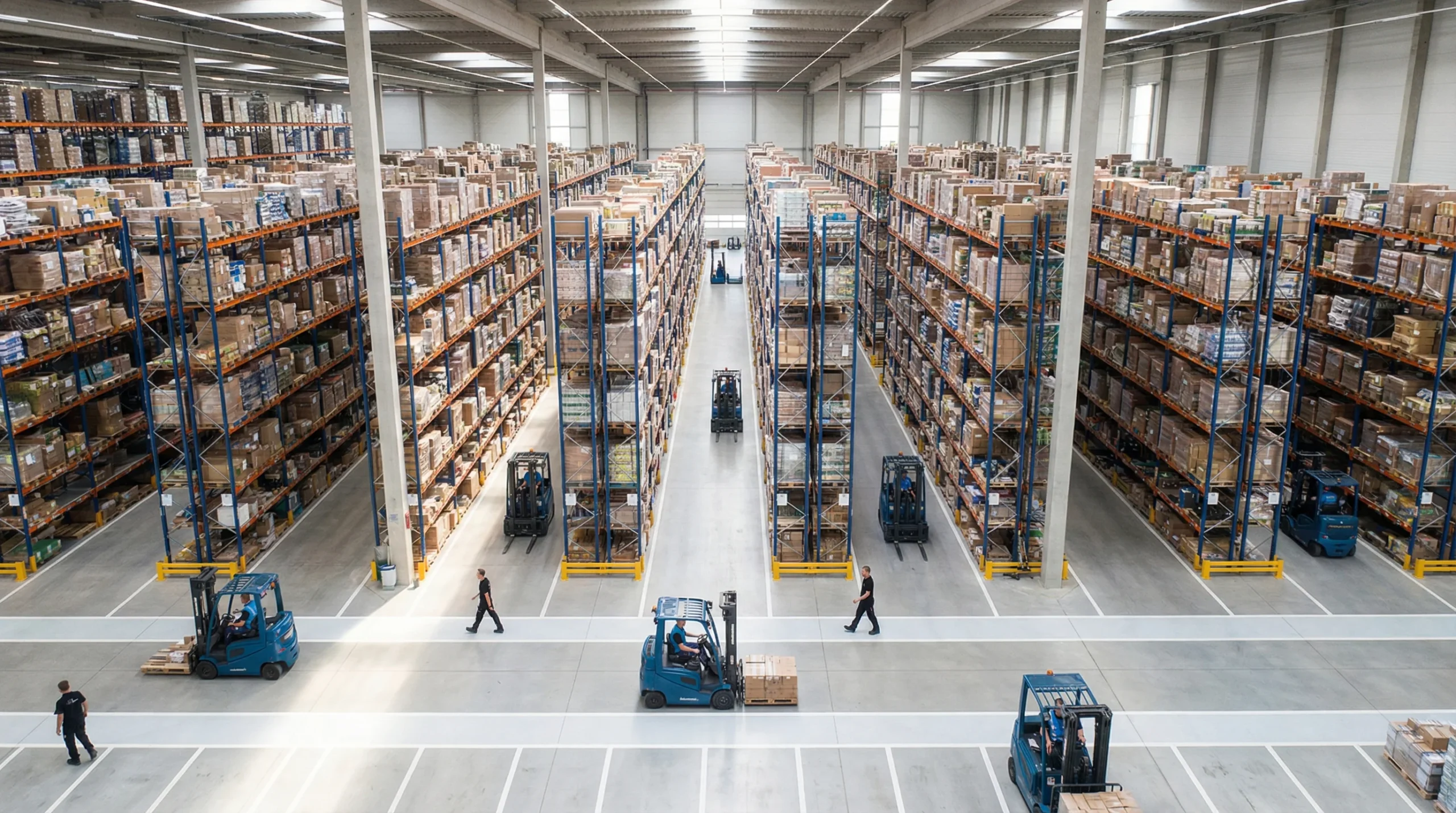
Yard management is a pivotal component for the seamless operation of supply chain networks. It involves a series of strategic actions and decisions that collectively ensure the efficient handling of goods within a yard or warehouse environment. Let’s delve deeper into each of these critical elements:
Space Allocation:
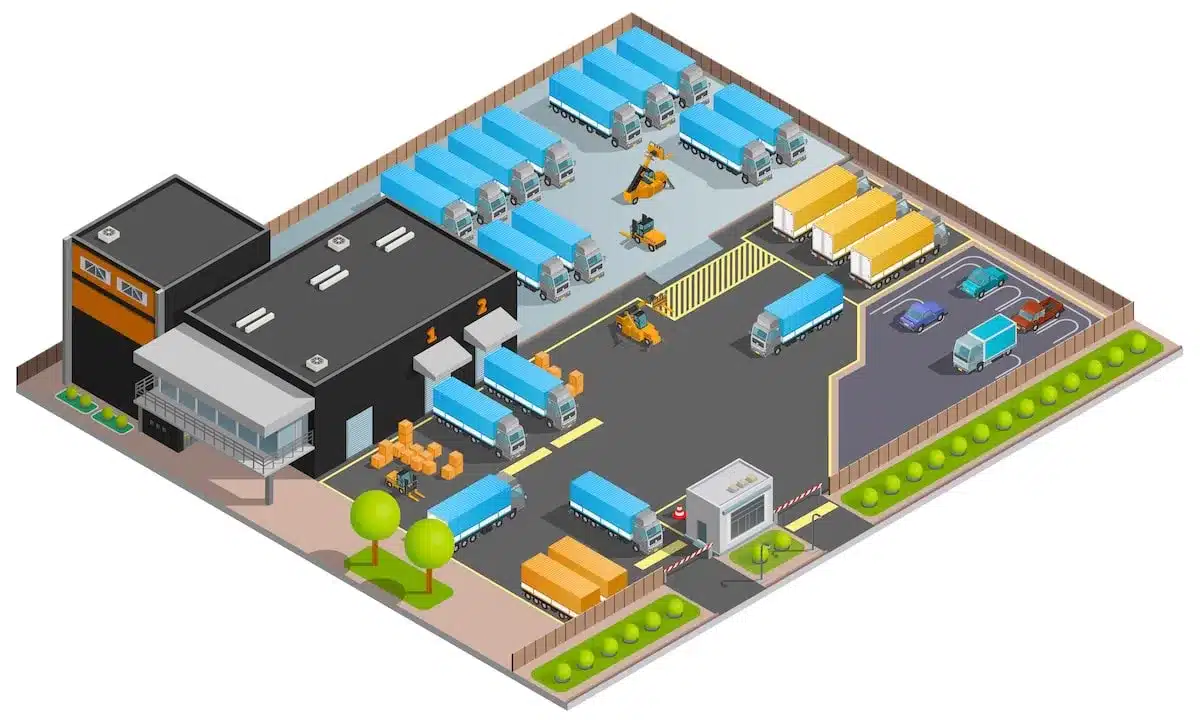
Effective yard management begins with the strategic allocation of space. This involves more than just maximizing the physical capacity of the yard; it’s about smartly designating specific areas for different activities such as receiving, inspection, storage, and dispatch. This strategic zoning helps in reducing unnecessary movement, speeding up the handling process, and ultimately increasing the throughput of the entire operation.
Inventory Organization:
The organization of inventory is crucial for quick and accurate access to goods. Utilizing digital tools and technologies, such as advanced Warehouse Management Systems (WMS) or Yard Management Systems (YMS), can significantly enhance visibility and control. These systems enable precise tracking of inventory levels, locations, and movements, thereby reducing search times and improving order fulfillment accuracy.
Workflow Optimization:
Streamlining the flow of goods within the yard is essential for minimizing delays and bottlenecks. This involves analyzing and refining processes such as the movement of goods from receiving to storage areas, and then to dispatch. Implementing lean management techniques and continuous process improvement methodologies can lead to more efficient workflows, reducing idle times and increasing overall yard productivity.
Timely Transportation:
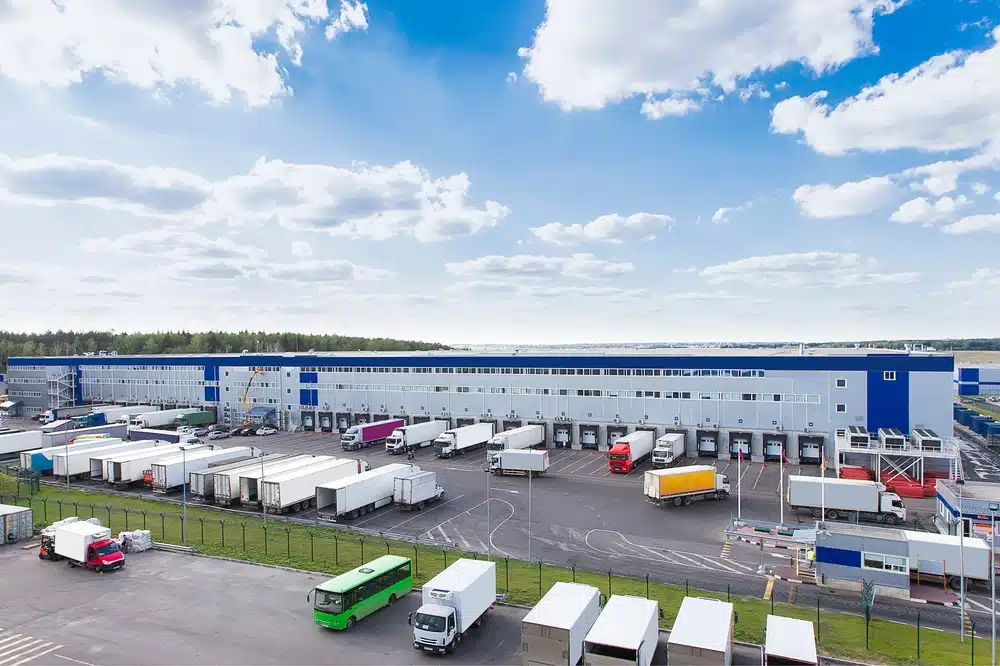
Effective coordination with transportation providers is key to ensuring that goods are moved in and out of the yard efficiently. This includes scheduling trucks for loading and unloading, managing dock appointments, and ensuring that transportation resources are optimally utilized. Advanced scheduling tools and real-time communication can help in synchronizing yard activities with transportation schedules, thereby reducing wait times and avoiding costly delays.
By thoroughly understanding and effectively managing these aspects, businesses can lay a strong foundation for successful yard management strategies. This not only streamlines operations but also contributes significantly to the overall efficiency and effectiveness of the supply chain.
For more information on yard management, read our full article: Yard Management 101: Introduction and Best Practices
Smarter Warehouse Management Starts Here
Logimax WMS delivers real-time visibility, automated workflows, and seamless ERP integration for warehouses of every size.
Request a Demo
Yard Management Best Practices:
Successful yard management relies on several crucial components that work together to create a highly efficient operation. By focusing on these components, businesses can improve their yard management practices and achieve better outcomes. Let’s explore each component in detail.
1. Strategic Planning and Layout Design
A well-designed yard layout enhances operational efficiency by minimizing distance traveled and optimizing storage capacity. Strategic planning involves analyzing space utilization, traffic flow, and access points. By carefully planning the layout, businesses can create a streamlined yard environment that supports efficient operations.
2. Implementing a Robust Yard Management System (YMS)
A powerful yard management system is essential for gaining real-time visibility into yard operations. A YMS automates key processes such as trailer management, yard inventory tracking, and gate management. By implementing a robust YMS, businesses can improve efficiency, reduce yard congestion, and enhance overall productivity.
3. Real-Time Asset Tracking and Visibility
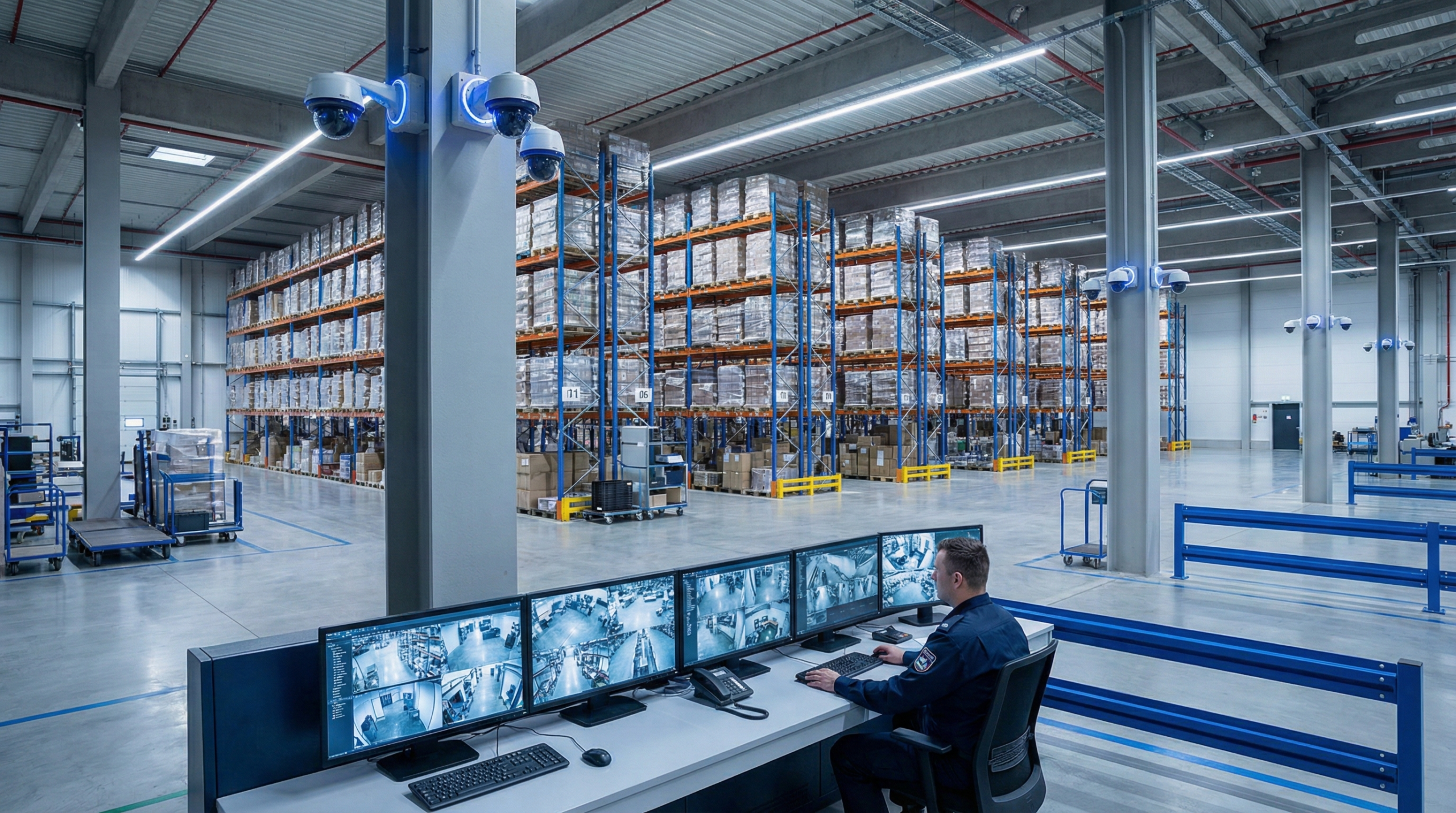
Accurate and real-time tracking of assets within the yard is critical for efficient yard management. By leveraging technologies such as RFID and GPS, businesses can gain visibility into the location and status of trailers, containers, and other assets. Real-time tracking ensures that assets are easily accessible, minimizing delays and improving operational responsiveness.
4. Efficient Dock Scheduling and Appointment Management
Efficient dock scheduling and appointment management help optimize the flow of goods in and out of a facility. By implementing a system that allows for advanced scheduling and appointment booking, businesses can reduce waiting times, improve resource allocation, and enhance overall throughput. This ensures that trucks and trailers arrive at the right time, avoiding congestion and delays.
5. Safety Protocols and Compliance
Maintaining a safe working environment is essential for yard management operations. Businesses should establish robust safety protocols, provide adequate training, and ensure compliance with industry regulations. By prioritizing safety, businesses can prevent accidents, reduce downtime, and protect human resources and assets.
6. Communication and Coordination
Effective communication and coordination among all stakeholders are vital for seamless yard management. Clear communication channels, real-time updates, and coordination between drivers, yard personnel, carriers, and other supply chain partners help minimize errors, prevent miscommunication, and ensure smooth workflow.
7. Continuous Training and Skill Development
Investing in the training and skill development of yard management personnel is crucial for driving continuous improvement. By providing regular training sessions, businesses can equip their workforce with the necessary knowledge and skills to handle yard operations efficiently. Continuous learning enhances employee performance, increases job satisfaction, and fosters innovation in yard management practices.
8. Leveraging Data and Analytics for Continuous Improvement
Data plays a vital role in optimizing yard management practices. By leveraging data and analytics, businesses can gain valuable insights into yard operations, identify bottlenecks, and make data-driven decisions. Analyzing key performance indicators (KPIs) such as yard capacity utilization, throughput, and turnaround time helps identify areas for improvement and drive continuous enhancement.
9. Sustainability Practices in Yard Management
Incorporating sustainable practices in yard management not only benefits the environment but also improves operational efficiency. Implementing initiatives such as energy-saving measures, waste reduction, and promoting eco-friendly transportation options can contribute to a greener yard and a more sustainable supply chain.
10. Adapting to Changing Trends and Technologies
In today’s technologically advanced world, it is crucial to stay updated with the latest trends and technologies in yard management. Embracing innovations such as automation, artificial intelligence, and Internet of Things (IoT) can revolutionize yard operations, enhance productivity, and provide a competitive edge in the market.

Conclusion
Effective yard management is essential for optimizing supply chain operations and achieving business success. By implementing best practices such as strategic planning, robust YMS, real-time asset tracking, efficient dock scheduling, and safety protocols, businesses can streamline yard operations and drive operational excellence. Continuous training, leveraging data and analytics, embracing sustainability, and adapting to changing trends further contribute to the success of yard management practices.
Are you looking to enhance your yard management practices? Implementing the right strategies and technologies can unlock the full potential of your supply chain operations. Contact us today to explore how Logimax can help optimize your yard management processes and drive efficiency across your supply chain network.
Frequently Asked Questions
How long does it typically take to implement a yard management system?
YMS implementation typically takes 3-6 months depending on facility size and complexity. The process includes system configuration, data migration, staff training, and phased rollout. Smaller operations may see deployment in 6-8 weeks, while large distribution centers with multiple integrations can require up to 12 months for full implementation.
What are the most common mistakes companies make in yard layout design?
Common yard layout mistakes include inadequate space for truck maneuvering, poor traffic flow planning, and insufficient staging areas. Many companies also fail to separate inbound and outbound traffic, create bottlenecks at entry/exit points, and don’t account for future growth. Poor lighting and unclear signage also contribute to operational inefficiencies.
How much can effective yard management reduce operational costs?
Effective yard management can reduce operational costs by 15-30% on average. Key savings come from reduced labor costs through improved efficiency, decreased fuel expenses from optimized traffic flow, and lower detention fees through better scheduling. Companies also see reduced equipment costs and improved asset utilization rates.
What ROI can businesses expect from yard management technology investments?
Most businesses see ROI from yard management technology within 12-18 months. Typical returns range from 200-400% over three years through reduced labor costs, improved throughput, and decreased detention fees. The investment pays for itself through increased operational efficiency, better asset utilization, and reduced manual processes requiring fewer personnel.
Which industries benefit most from advanced yard management practices?
Manufacturing, retail distribution, food and beverage, and automotive industries see the greatest benefits from advanced yard management. These sectors handle high volumes of inbound and outbound shipments with time-sensitive requirements. Third-party logistics providers and e-commerce fulfillment centers also experience significant improvements in efficiency and cost reduction.