The Basics of Tariffs and Their Role in Supply and Demand
Tariffs, essentially taxes imposed on imported goods, serve as powerful economic tools that governments deploy to achieve various objectives ranging from protecting domestic industries to generating revenue. These import duties are typically calculated as a percentage of the value of the imported item, though sometimes they may be imposed as a fixed fee per unit. Governments implement tariffs for multiple reasons: to shield local manufacturers from international competition, to address trade imbalances, to retaliate against unfair trade practices by other nations, or simply to raise funds for national treasuries. Understanding the fundamental mechanics of tariffs is crucial for supply chain professionals who must navigate the complex global trade landscape.
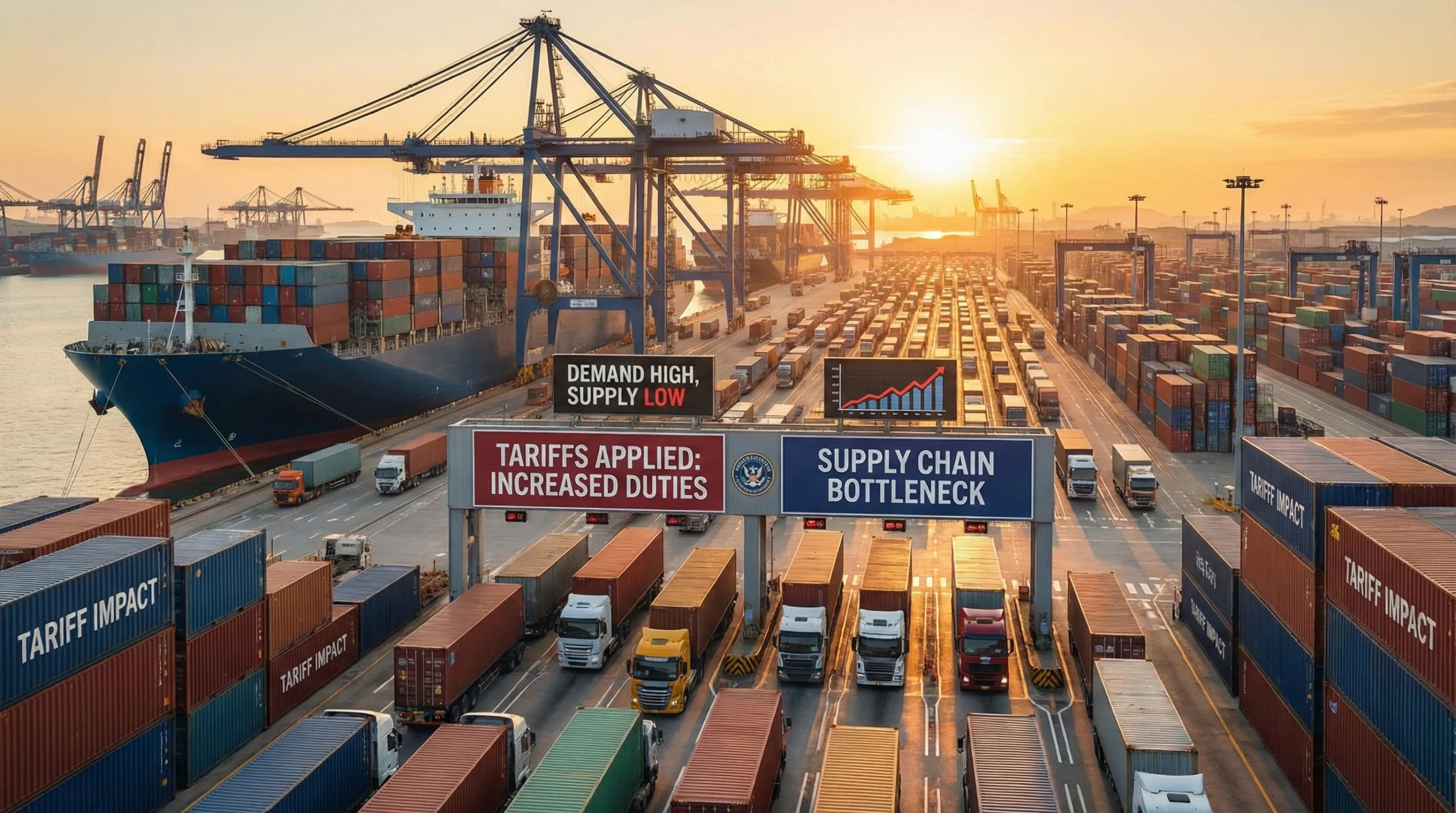
The relationship between tariffs and the economic principles of supply and demand operates through several interconnected mechanisms. When a tariff is imposed, it immediately increases the cost of importing products, creating a price wedge between domestic and foreign goods. This artificial price increase on foreign products typically shifts demand toward domestically produced alternatives, assuming such alternatives exist. Simultaneously, the supply of imported goods often decreases as foreign manufacturers face reduced profit margins when selling to the tariff-imposing country. This supply-demand dynamic can create significant ripple effects throughout supply chains, affecting everything from sourcing strategies to inventory management and ultimately consumer behavior.
For warehouse managers and logistics professionals, tariffs represent a critical variable that demands strategic planning and adaptability. The implementation of a new tariff—or changes to existing ones—can dramatically alter optimal inventory levels, sourcing decisions, and distribution networks. In many cases, businesses must reassess their entire supply chain structure to determine whether continuing to source from tariff-affected regions remains economically viable. The elasticity of demand for specific products plays a significant role in determining how much of the tariff burden can be passed on to consumers versus absorbed by the supply chain.
Global markets respond to tariffs through complex adjustment mechanisms that often extend far beyond the initially targeted products or industries. Trading partners frequently respond with retaliatory tariffs, creating cycles of escalating trade tensions that can destabilize established supply chains. Market uncertainty increases as tariff policies shift, making long-term planning particularly challenging for logisticsLogisticsThe comprehensive management of the flow of goods, information, and resources from the point of origin to the point of consumption, encompassing planning, implementation, and control of efficient movement and storage.View full definition → and supply chain leaders. Those who develop robust contingency plans and maintain flexibility in their operations are better positioned to weather tariff-induced market disruptions while minimizing negative impacts on their organizations.
One Platform for Your Entire Operation
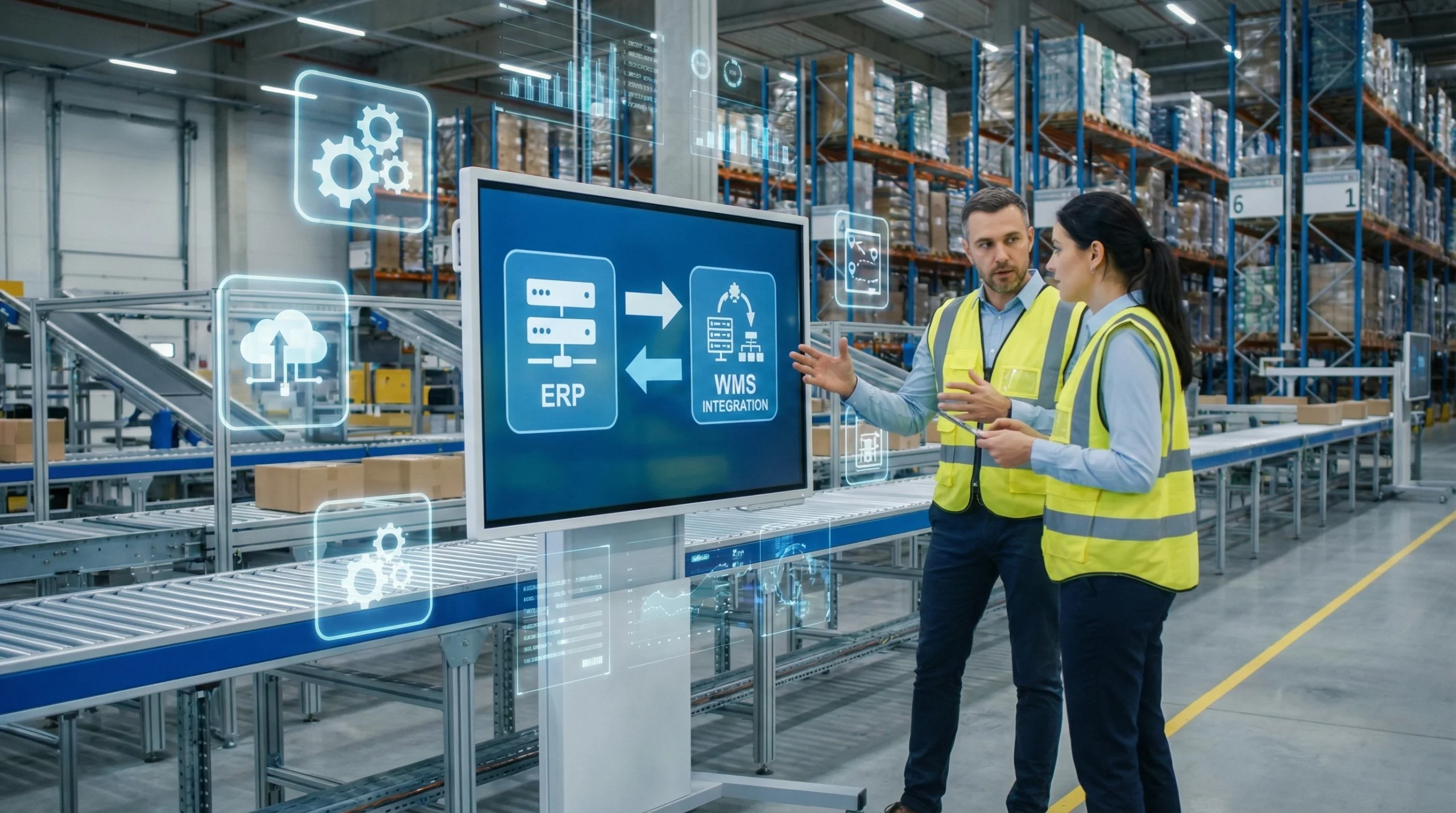
Seamless ERP integration connects your warehouse to accounting, purchasing, and sales — eliminating double entry and data silos.
Request a Demo
Direct Impact of Tariffs on Consumer Prices

When governments implement tariffs, the most immediate and visible consequence manifests in consumer pricing structures across affected industries. The fundamental economic principle at work is straightforward—when the cost of importing goods increases due to tariffs, businesses typically face a difficult decision between absorbing these additional expenses (thus reducing profit margins) or passing them along to consumers through higher retail prices. In most competitive markets, companies can only absorb a portion of these increased costs before financial sustainability requires price adjustments. Analysis from the International Monetary Fund suggests that nearly 90% of tariff costs eventually transfer to consumers, though this percentage varies significantly based on industry-specific factors and market conditions.
The magnitude of price increases following tariff implementation depends largely on the elasticity of demand for particular products and the availability of suitable substitutes. Products with inelastic demand—those considered necessities or lacking viable alternatives—often experience more substantial price increases as consumers continue purchasing despite higher costs. Conversely, products with elastic demand may see more moderate price increases as businesses fear losing market share if they pass along the full tariff burden. For instance, following the implementation of steel and aluminum tariffs in 2018, industries dependent on these metals as inputs reported average price increases between 5-10%, with some specialized products seeing jumps of up to 25%.
The automotive industry represents a prime example of tariff impacts on consumer pricing dynamics. When tariffs affect imported vehicles or automotive components, manufacturers typically incorporate these additional costs into their pricing models, resulting in higher sticker prices for consumers. Following the implementation of certain automotive tariffs, studies have documented average price increases of $1,800-$5,800 per vehicle depending on the model and country of origin. Similarly, the consumer electronics sector has experienced notable price adjustments following tariff implementations, with companies like Apple, Dell, and HP warning that tariffs on Chinese-manufactured components would necessitate retail price increases between 10-15% on products ranging from smartphones to laptops.
The agricultural sector demonstrates particularly complex tariff-related pricing effects due to the perishable nature of many products and the global interconnectedness of food supply chains. When agricultural tariffs enter the equation, consumers often notice price fluctuations in everyday grocery items. For example, tariffs on imported dairy products can increase prices for cheese, butter, and other staples by 15-25%, while tariffs on fruits and vegetables from specific regions can lead to seasonal price spikes of 10-40% depending on domestic production capacity. These price increases disproportionately impact lower-income consumers who spend a higher percentage of their income on food and other necessities, creating potential socioeconomic challenges beyond the immediate supply chain implications.
Exploring the Hidden Costs Associated with Tariffs

Beyond the obvious price increases on directly tariffed goods, tariffs introduce numerous hidden costs that ripple throughout supply chains and business operations in ways that often escape initial analysis. One significant hidden cost materializes through increased input costs for manufacturers who rely on imported components or raw materials subject to tariffs. When a manufacturer must pay more for imported steel, electronic components, or chemical inputs, these elevated costs compound throughout the production process. This phenomenon, known as cost-push inflation, extends far beyond the initially targeted imports, affecting seemingly unrelated products and services. Research from the Federal Reserve Bank of New York estimates that for every 10% tariff on imported inputs, domestic producer prices increase by approximately 4.5% as these costs cascade through production networks.
Administrative and compliance burdens represent another substantial hidden cost of tariff regimes, particularly for businesses operating in multiple international markets. Companies must invest in specialized software, legal expertise, and additional personnel to navigate the increasingly complex landscape of tariff classifications, country-of-origin requirements, and documentation procedures. The average mid-sized international business reports spending between $100,000 and $250,000 annually on tariff compliance activities alone—resources that could otherwise support innovation, expansion, or improved customer service. For smaller businesses with limited resources, these compliance requirements can become prohibitively expensive, potentially forcing some to abandon international markets altogether.
Supply chain reorganization costs emerge as businesses attempt to mitigate tariff impacts by restructuring their sourcing strategies and distribution networks. Relocating production facilities, identifying alternative suppliers, conducting new supplier audits, and renegotiating contracts all require significant investment in time and resources. The Boston Consulting Group estimates that major supply chain restructuring in response to tariff changes typically costs between 5-15% of annual procurement spend for affected categories. These transition costs can severely impact operational budgets for 12-24 months as new relationships and processes stabilize. Additionally, hastily reorganized supply chains may introduce quality control issues, logistics inefficiencies, and increased transportation costs that persist long after the initial transition.
The uncertainty premium represents perhaps the most insidious hidden cost associated with tariff implementations. When tariff policies appear unstable or subject to political whims, businesses incorporate risk premiums into their operational planning. This uncertainty drives companies to maintain higher inventory levels (increasing carrying costs), delay capital investments, and build additional contingencies into pricing models—all of which increase costs throughout the supply chain. Economic research indicates that policy uncertainty related to tariffs can reduce business investment by 1.5-4.2% annually, with particularly acute effects in industries with longer planning horizons such as manufacturing, energy, and infrastructure. For warehouse managers and logistics professionals, this uncertainty premium translates into more complex forecasting challenges and the need for more sophisticated scenario planning approaches to maintain operational resilience.
The Ripple Effect: Domestic Alternatives and Reduced Output
When tariffs significantly increase the cost of imported goods, many businesses and consumers naturally gravitate toward domestically produced alternatives—a shift that creates multifaceted economic ripple effects. This redirection of demand toward local products initially appears beneficial for domestic manufacturers, who often experience increased orders, enhanced production capacity utilization, and improved short-term profitability. However, this apparent advantage carries nuanced implications that complicate the economic equation. Domestic alternatives frequently command higher price points even before tariff implementation due to various factors including higher labor costs, stricter regulatory compliance requirements, and different economies of scale. The Cornell University School of Industrial and Labor Relations found that when tariffs prompted shifts to domestic alternatives in certain manufacturing sectors, average input costs rose by 12-18%, creating significant challenges for downstream producers who incorporate these components into their finished products.
The substitution effect toward domestic alternatives creates notable supply-demand imbalances that ripple through adjacent markets. When domestic suppliers cannot immediately scale production to meet suddenly increased demand, bottlenecks emerge, delivery timelines extend, and prices rise even beyond what would be expected from tariff protection alone. This dynamic particularly affects industries with complex manufacturing processes, specialized equipment requirements, or lengthy workforce training needs—all factors that prevent rapid scaling of production capacity. Supply chain professionals report that following major tariff implementations, lead times for domestic alternatives typically increase by 30-45% during the first 6-12 months as domestic producers struggle to accommodate surging demand. These extended lead times force warehouse managers to recalibrate inventory levels and safety stocks, often increasing carrying costs by 10-25% during transition periods.
The phenomenon of reduced output represents another significant ripple effect that emerges when tariffs distort normal market operations. When manufacturers face higher input costs due to tariffs on imported components, they typically respond by adjusting production volumes to optimize profitability under new cost structures. This often means reducing output of products with now-compressed profit margins or discontinuing certain product variants altogether. Economic analysis from the Peterson Institute for International Economics demonstrates that for every 10% increase in input costs due to tariffs, affected manufacturers reduce output by approximately 3.6-5.2% on average. This output reduction has cascading effects on employment, supplier relationships, and ultimately economic growth in manufacturing-dependent regions.
The interplay between domestic alternatives and reduced output creates complex strategic challenges for logistics and supply chain leaders. Warehouse managers must simultaneously maintain adequate inventory of newly prioritized domestic products while carefully managing drawdown of previously imported alternatives—all while navigating potentially volatile customer preferences and price sensitivities. Distribution networks optimized for receiving imports from major ports may require reconfiguration to efficiently handle increased domestic shipments from different geographic regions. This transition period strains transportation capacity, warehouse space allocation, and inventory management systems. Supply chain professionals who successfully navigate these challenges develop sophisticated multi-sourcing strategies that balance domestic and international options while maintaining sufficient flexibility to adapt as tariff policies evolve over time.
Navigating Tariff Challenges: EDI and Automation in Trade Documentation

Electronic Data Interchange (EDI) has emerged as an indispensable tool for companies navigating the complexities of tariff-affected supply chains and international trade. By enabling the seamless digital exchange of standardized documents between trading partners, customs authorities, and logistics providers, EDI significantly streamlines the documentation processes that become increasingly burdensome under fluctuating tariff regimes. Organizations implementing comprehensive EDI solutions for international trade documentation report reducing processing times by 60-80% and decreasing documentation errors by up to 40%, both critical advantages when dealing with time-sensitive customs clearance procedures. Furthermore, EDI facilitates the rapid transmission of updated tariff information throughout supply chain networks, enabling all stakeholders to adjust operations promptly when tariff changes occur. Supply chain leaders recognize that investing in robust EDI capabilities represents not merely a technological upgrade but a strategic advantage for maintaining agility in unpredictable trade environments.
Advanced automation technologies complement EDI systems by introducing additional layers of efficiency and accuracy to trade documentation processes. Optical character recognition (OCR), artificial intelligence, and machine learning algorithms now enable automated classification of products according to Harmonized System (HS) codes—a particularly valuable capability as proper classification directly determines applicable tariff rates. Studies indicate that manual classification errors occur in approximately 7-15% of international shipments, potentially resulting in incorrect tariff assessments, delays at customs, or compliance penalties. Companies deploying automated classification systems report reducing these error rates to below 2% while simultaneously accelerating the classification process by 300-400%. These improvements translate into fewer shipment delays, reduced demurrage charges, and more predictable landed costs despite tariff complexities.
The integration of blockchain technology with EDI and automation systems offers promising solutions for maintaining documentation integrity throughout tariff-affected supply chains. Blockchain’s immutable ledger capabilities ensure that critical trade documents—certificates of origin, commercial invoices, bills of lading—remain tamper-proof and instantly verifiable by all authorized parties. This technology proves particularly valuable when navigating tariff exceptions, preferential trade agreements, or duty drawback programs that require rigorous documentation to demonstrate compliance or eligibility. Early adopters of blockchain-enhanced trade documentation systems report reducing customs clearance times by 30-50% and substantially decreasing instances of documentation fraud or manipulation. For warehouse managers, these improvements translate into more predictable inbound shipment schedules and reduced need for safety stock to buffer against customs-related delays.
The strategic implementation of these technological solutions requires thoughtful change management and cross-functional collaboration within organizations. Supply chain departments must work closely with IT teams, finance departments, and compliance officers to ensure systems capture all relevant tariff information while maintaining regulatory compliance across multiple jurisdictions. Leading organizations establish dedicated tariff management committees that monitor policy changes, assess potential impacts, and coordinate technological responses across the enterprise. These cross-functional teams develop standardized procedures for updating tariff-related master data within EDI and automation systems, ensuring all stakeholders operate with accurate, current information despite the dynamic nature of international trade policies. Through this integrated approach to technology and organizational alignment, companies develop sustainable competitive advantages in managing tariff challenges while minimizing disruptions to their broader supply chain operations.
Strategies for Duty Recovery and Mitigating Retaliatory Measures
Implementing comprehensive duty recovery programs represents a critical strategy for organizations seeking to mitigate the financial impact of tariffs on their operations. Duty drawback—the refund of customs duties, certain taxes, and fees paid on imported merchandise subsequently exported or destroyed—offers particularly significant recovery opportunities that many companies fail to fully leverage. According to U.S. Customs and Border Protection, businesses collect only about 15% of available drawback funds, leaving billions unclaimed annually. Successful duty recovery programs typically involve specialized software that meticulously tracks imported components through manufacturing processes to finished exported products, establishing the documentation chain necessary for drawback claims. Companies that implement structured duty recovery initiatives report reclaiming between 3-8% of their total annual import duties—funds that can substantially offset tariff-related cost increases and improve overall margin performance in challenging trade environments.
Foreign Trade Zones (FTZs) and bonded warehouses provide strategic operational frameworks for deferring, reducing, or eliminating duty payments under various circumstances. By establishing operations within these designated areas, companies can delay duty payments until products enter domestic commerce, potentially avoiding duties entirely on goods that are re-exported or achieving reduced duty rates on finished products that incorporate both domestic and imported components. Organizations utilizing FTZs report duty savings of 30-50% on qualifying operations while simultaneously benefiting from streamlined customs procedures and reduced merchandise processing fees. For warehouse managers, integrating FTZ strategies requires specialized inventory management protocols and documentation systems, but the financial benefits often justify these additional operational complexities, particularly when dealing with high-tariff commodities or complex international distribution networks.
Tariff engineering—strategically designing products or modifying manufacturing processes to achieve more favorable tariff classifications—offers another sophisticated approach to duty mitigation. This practice involves analyzing tariff schedules to identify opportunities where minor product modifications might result in classification under lower-duty categories while maintaining essential functionality and market appeal. For example, a footwear manufacturer might adjust the composition of shoe soles to qualify for preferential tariff treatment, potentially saving 10-15% in duties on each imported unit. While tariff engineering requires careful navigation of legal and compliance considerations, companies working with experienced trade attorneys and customs consultants can develop legitimate strategies that significantly reduce duty exposure while maintaining full regulatory compliance. Supply chain leaders increasingly view tariff engineering as a strategic design consideration rather than merely a post-development compliance activity.
Developing robust contingency planning for retaliatory tariffs has become essential as trade disputes increasingly involve cycles of reciprocal measures between major economic powers. Forward-thinking organizations maintain continuously updated scenario analyses that model potential retaliatory tariff impacts across their product portfolios and geographic markets. These analyses inform strategic decisions regarding production footprint diversification, dual-sourcing arrangements, and market prioritization. Companies with mature retaliatory tariff contingency plans typically maintain 30-40% supply flexibility through pre-qualified alternative suppliers, production transfer agreements, and logistics rerouting options. Additionally, they develop modular product architectures that facilitate rapid adaptation to changing tariff landscapes. While these contingency measures require upfront investment and ongoing maintenance, they provide critical operational resilience when retaliatory tariffs emerge, allowing organizations to pivot more effectively than less-prepared competitors.
Conclusion
The complex interplay between tariffs and global supply chains creates multifaceted challenges that require sophisticated management approaches from logistics and supply chain professionals. As we’ve explored, tariffs generate direct consumer price impacts while simultaneously introducing numerous hidden costs that affect operational efficiency, administrative burdens, and strategic planning. The resulting market adjustments—shifts toward domestic alternatives, reduced output in certain sectors, and complex reconfiguration of supply networks—demand proactive management strategies and technological solutions.
Forward-thinking organizations recognize that successful navigation of tariff complexities requires integrated approaches combining technological enablers like EDI and automation with strategic initiatives such as duty recovery programs, Foreign Trade Zone utilization, and contingency planning for retaliatory measures. These multifaceted strategies help maintain competitiveness despite challenging trade conditions. As global trade policies continue evolving in response to geopolitical developments and changing economic priorities, supply chain resilience increasingly depends on adaptability, information management capabilities, and cross-functional collaboration.
Supply chain leaders should prioritize developing institutional knowledge regarding tariff management, investing in appropriate technological solutions, and fostering relationships with trade compliance experts who can provide guidance during periods of policy uncertainty. By transforming tariff management from a reactive compliance function into a proactive strategic discipline, organizations can not only mitigate negative impacts but potentially develop competitive advantages through superior tariff navigation capabilities. In today’s complex global trade environment, this strategic approach to tariff management represents an increasingly important element of supply chain excellence.
Frequently Asked Questions
How do tariffs directly affect consumer prices?
Tariffs often lead to higher consumer prices as businesses pass increased production and import costs onto consumers. This effect can vary depending on the product, the elasticity of demand, and the availability of domestic alternatives. Research indicates that approximately 90% of tariff costs eventually transfer to consumers, though this percentage varies by industry. Products with inelastic demand (necessities or items lacking alternatives) typically experience larger price increases, sometimes reaching 15-25% for heavily tariffed categories. Industries particularly susceptible to tariff-driven price increases include automotive (with documented increases of $1,800-$5,800 per vehicle), consumer electronics (10-15% increases), and seasonal agricultural products (10-40% increases depending on domestic production capacity).
What are some effective strategies for duty recovery in the context of tariffs?
Effective duty recovery strategies include maintaining detailed records, understanding tariff classifications, and utilizing automated tracking systems. Businesses can leverage duty drawback programs to recover duties on imported goods that are later exported, and use Foreign Trade Zones to defer or eliminate duties entirely. Companies typically reclaim 3-8% of annual import duties through structured recovery programs. Working with specialized trade consultants helps develop compliant tariff engineering approaches that significantly reduce duty exposure.