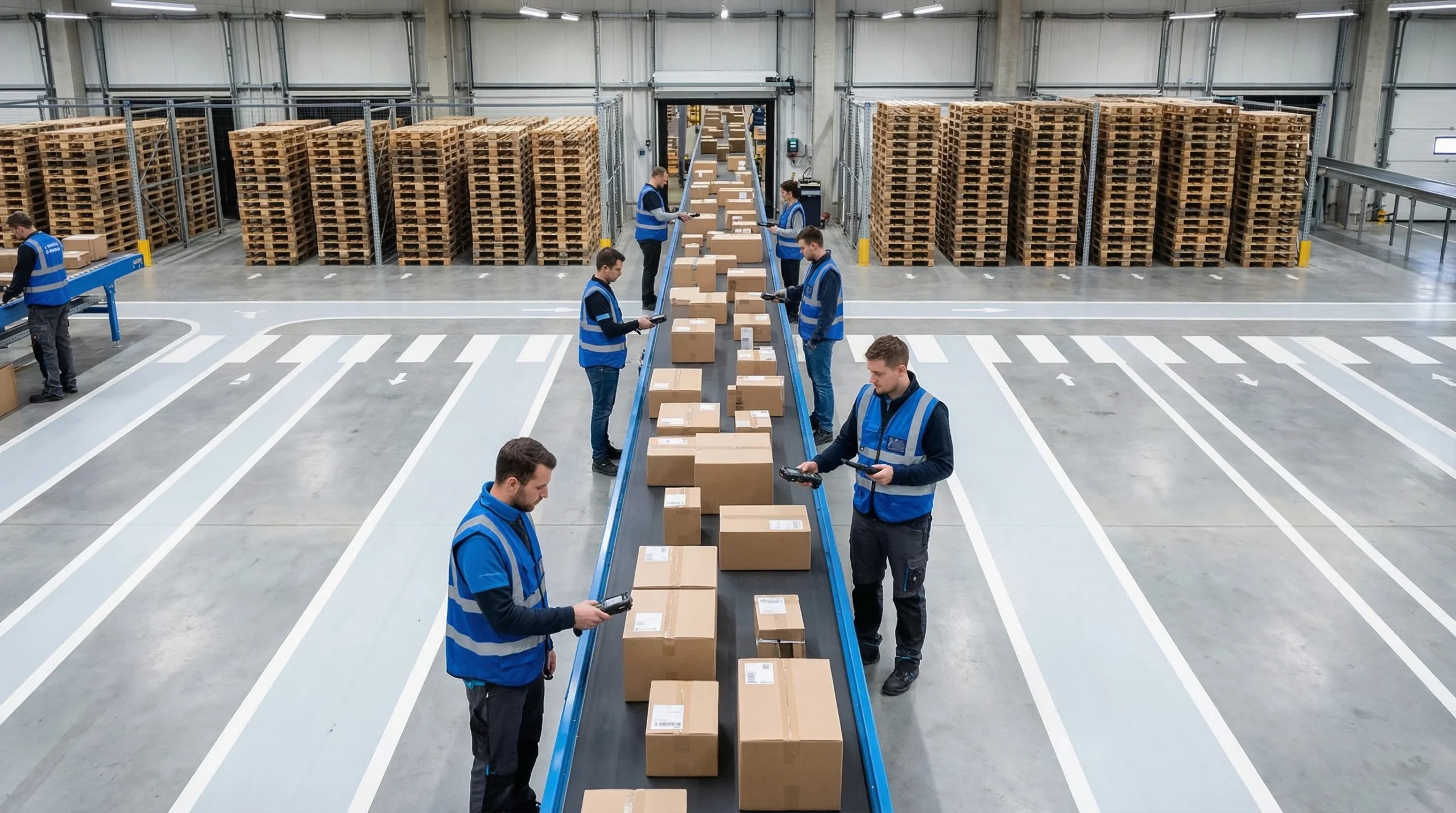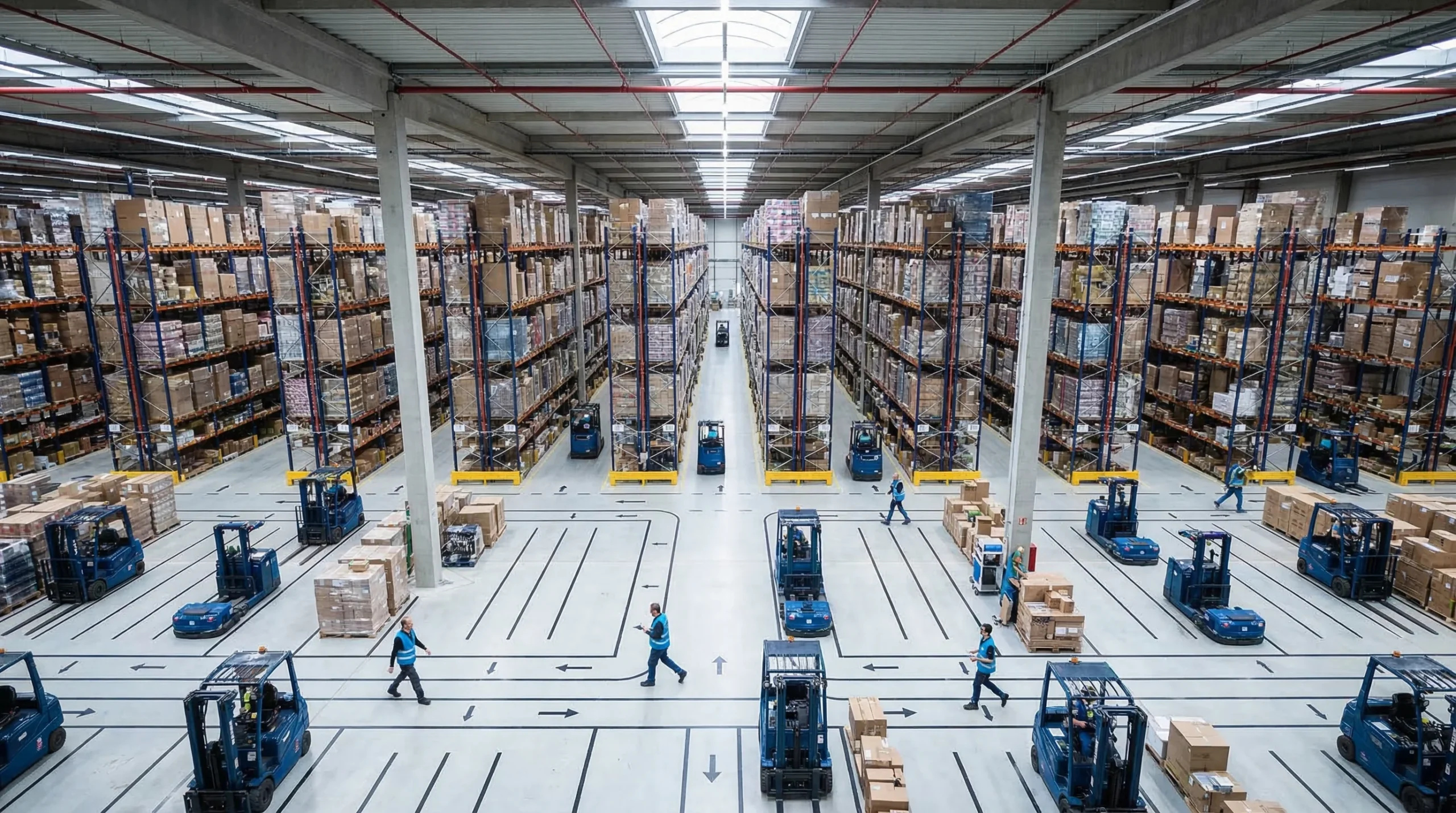
The systematic coordination of inbound and outbound truck arrivals at warehouse loading docks to optimize resource allocation and minimize bottlenecks. This process involves assigning specific time slots to carriers, coordinating with warehouse staff availability, and balancing workload throughout the day to prevent dock congestion and lengthy wait times.
Effective dock scheduling directly impacts warehouse productivity by ensuring adequate labor and equipment are available when shipments arrive, reducing detention fees, and improving carrier relationships. Advanced scheduling systems consider factors like trailer type, product characteristics, processing time requirements, and available dock doors to create optimal schedules.
For example, a distribution center might schedule temperature-sensitive deliveries during cooler morning hours with dedicated refrigerated dock access, while reserving afternoon slots for less time-sensitive general merchandise. This strategic approach maximizes throughput, reduces operational costs, and enhances overall supply chain efficiency by creating predictable workflows that warehouse teams can prepare for in advance.