A shipping method where multiple shippers share space on the same truck trailer, with each shipper paying only for the portion of trailer space their freight occupies. Unlike full truckload (FTL) shipping where one customer uses the entire trailer, LTL consolidates smaller shipments from different customers into a single vehicle.
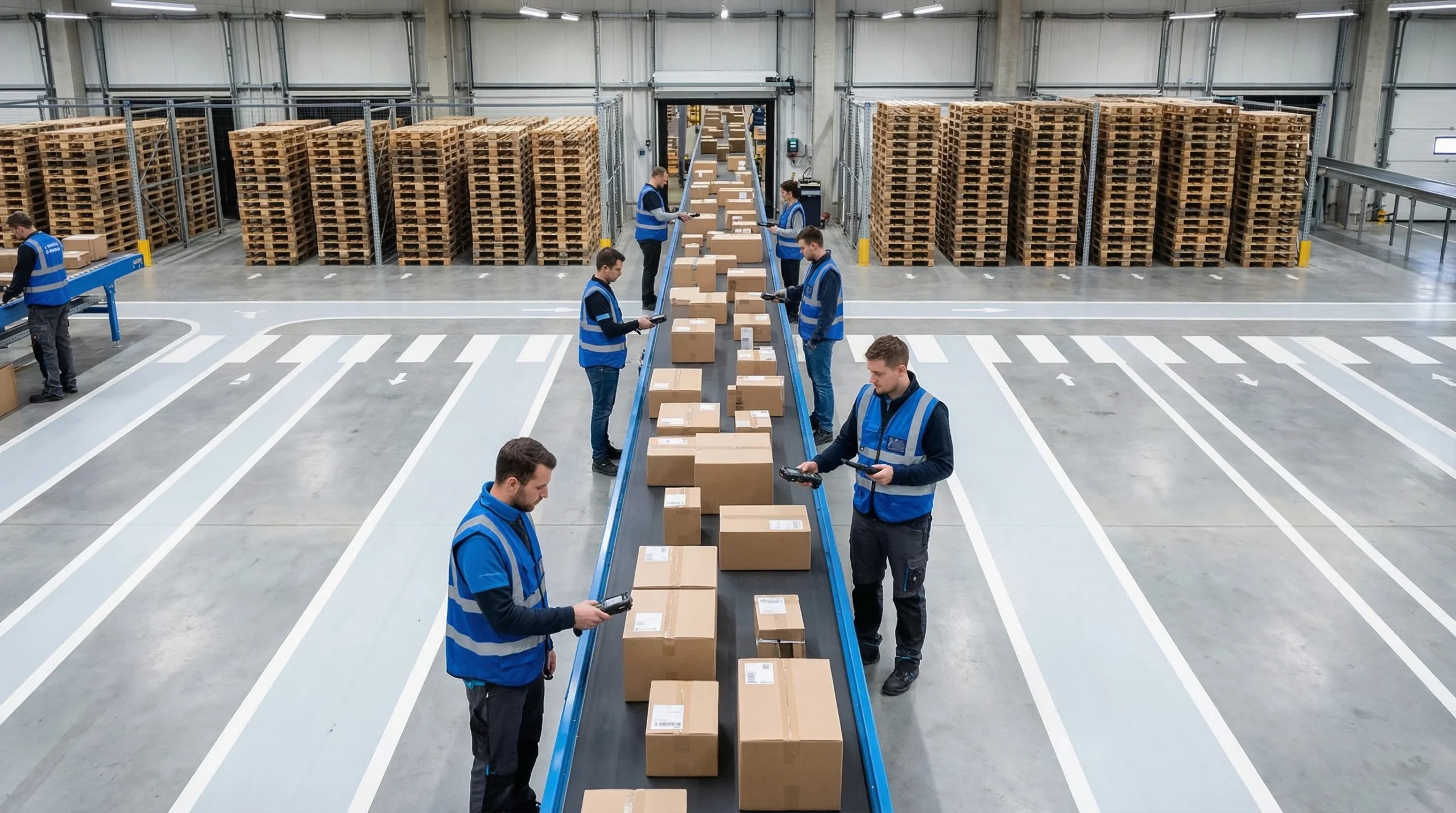
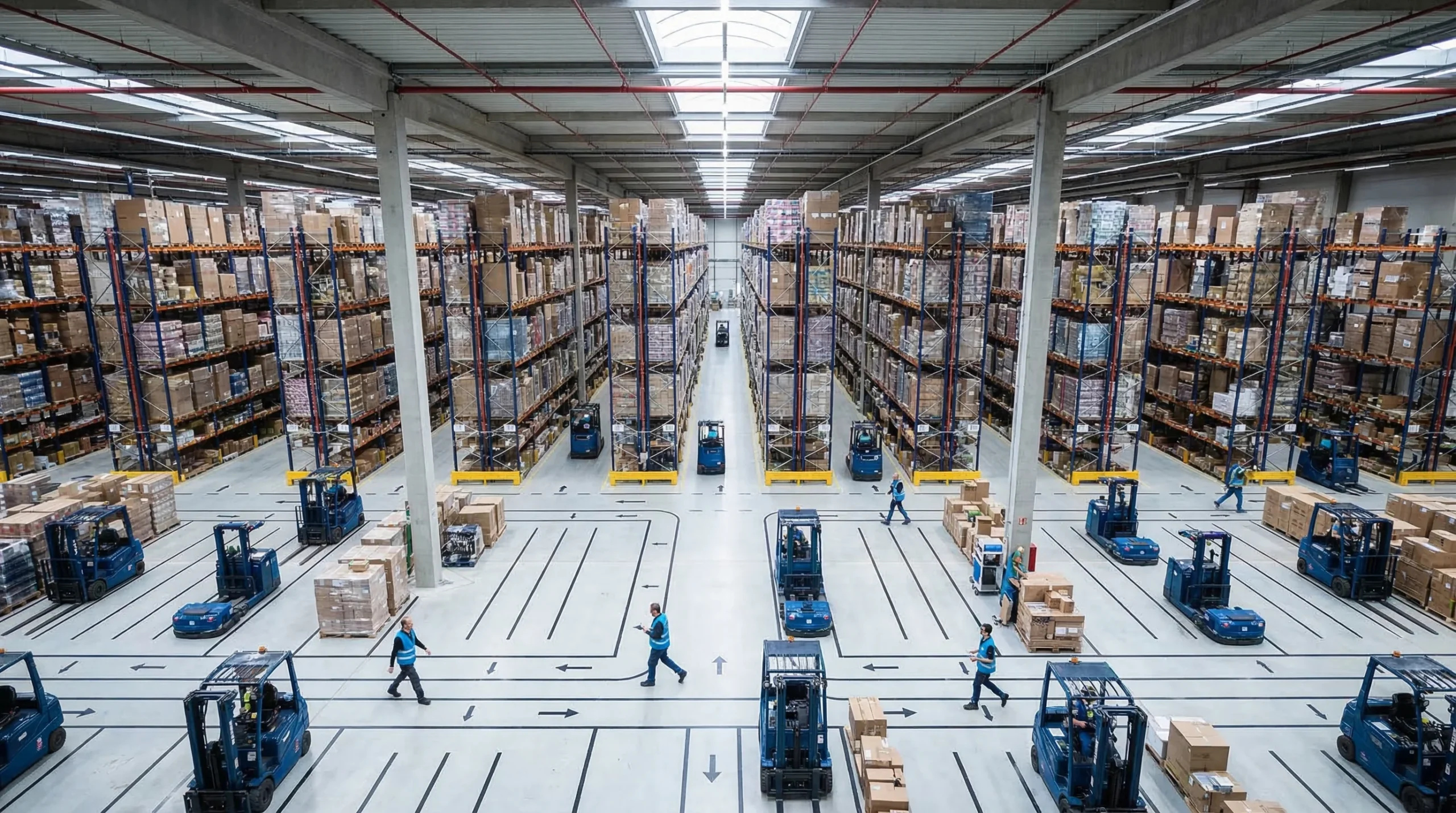
LTL shipping is crucial for warehouses handling smaller orders that don’t justify the cost of dedicating an entire truck. This method significantly reduces transportation costs for shipments typically weighing between 150 and 15,000 pounds. Modern WMS platforms optimize LTL operations by calculating freight classifications, managing pickup schedules, and consolidating compatible shipments to maximize trailer utilization.
For example, a warehouse might combine three customer orders weighing 2,000, 3,500, and 1,800 pounds respectively onto one LTL shipment, reducing per-shipment costs compared to separate deliveries. Effective LTL management requires careful coordination of pickup times, proper freight classification, and strategic consolidation to balance cost savings with delivery speed requirements.