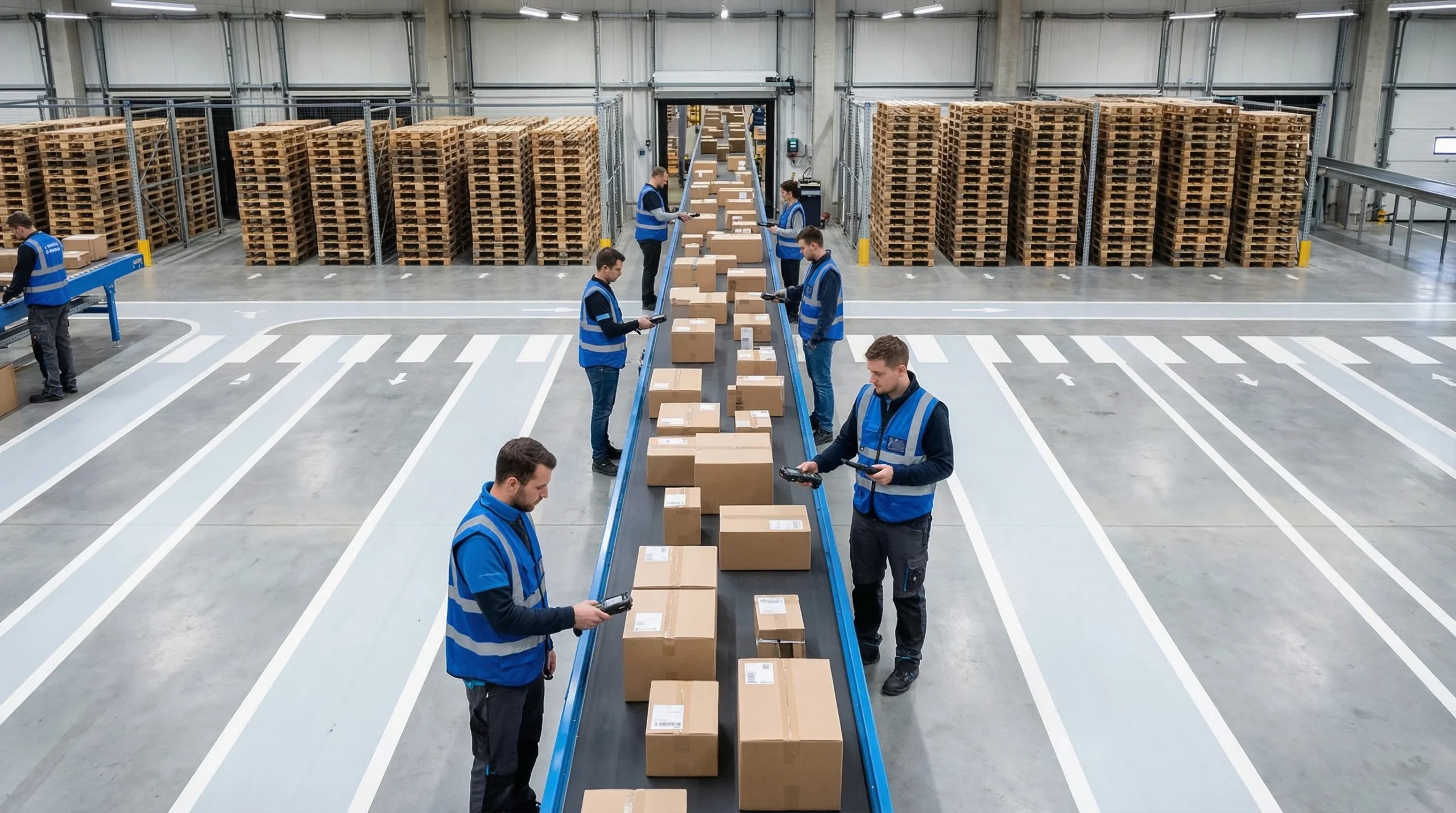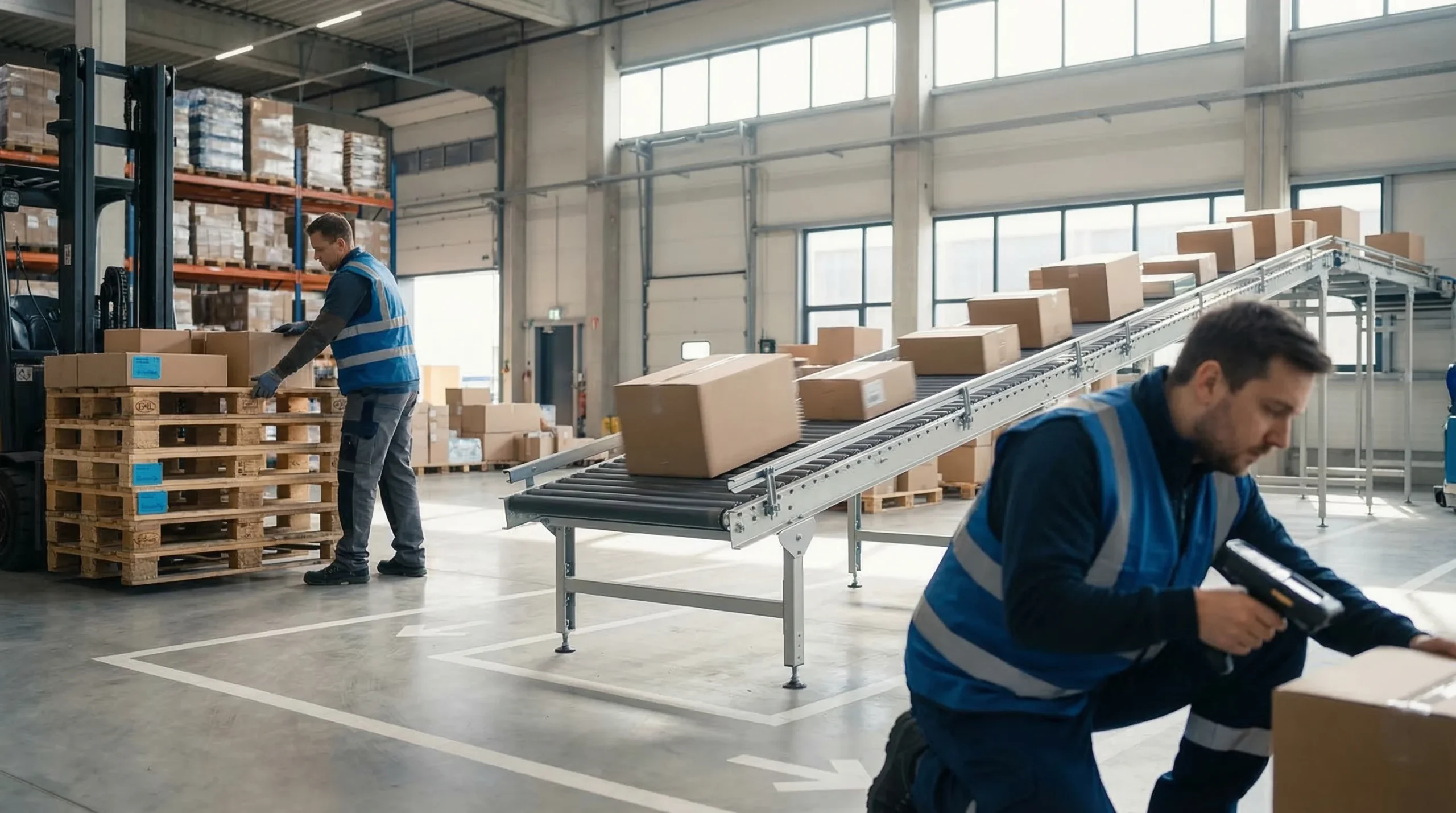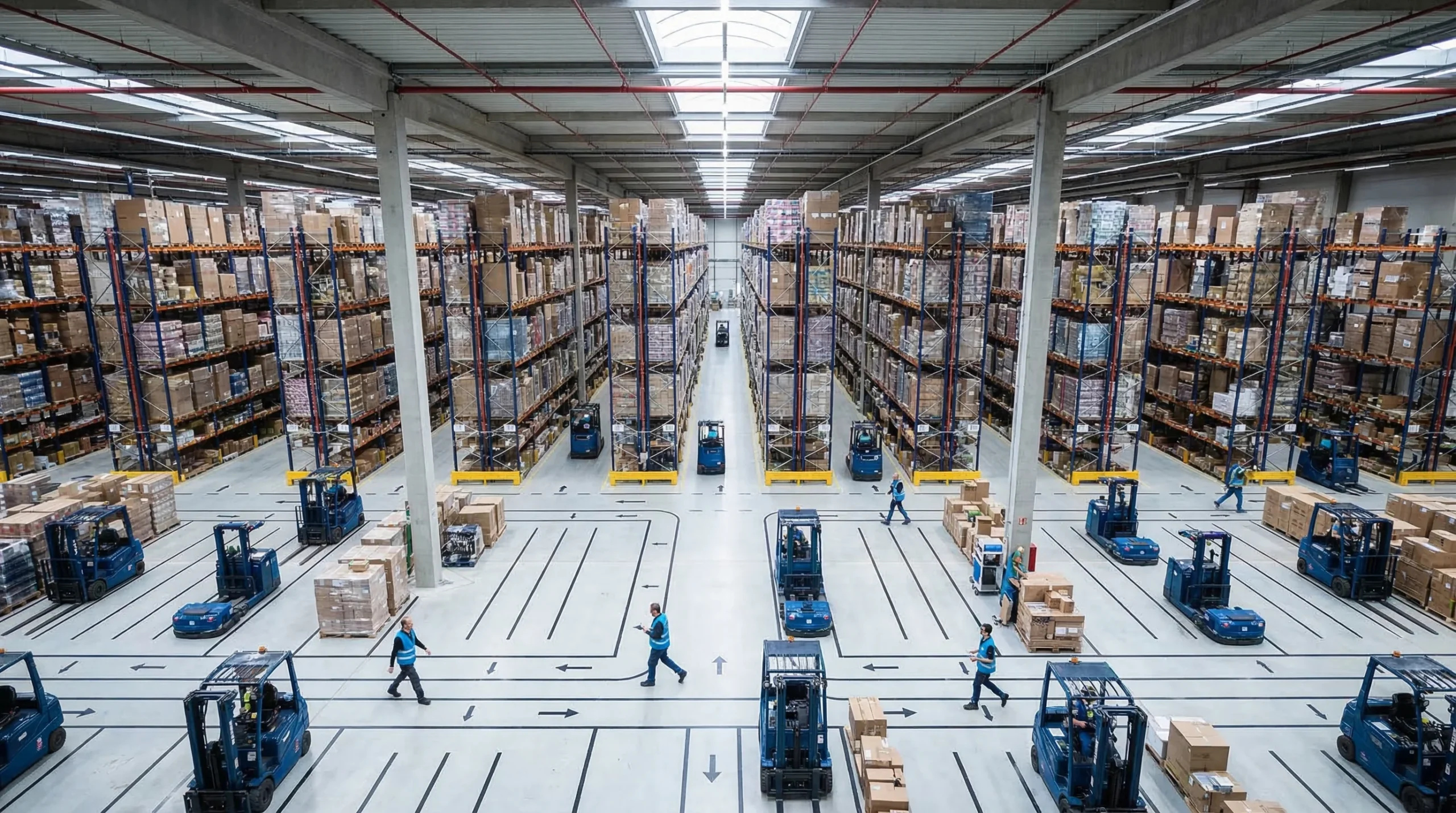
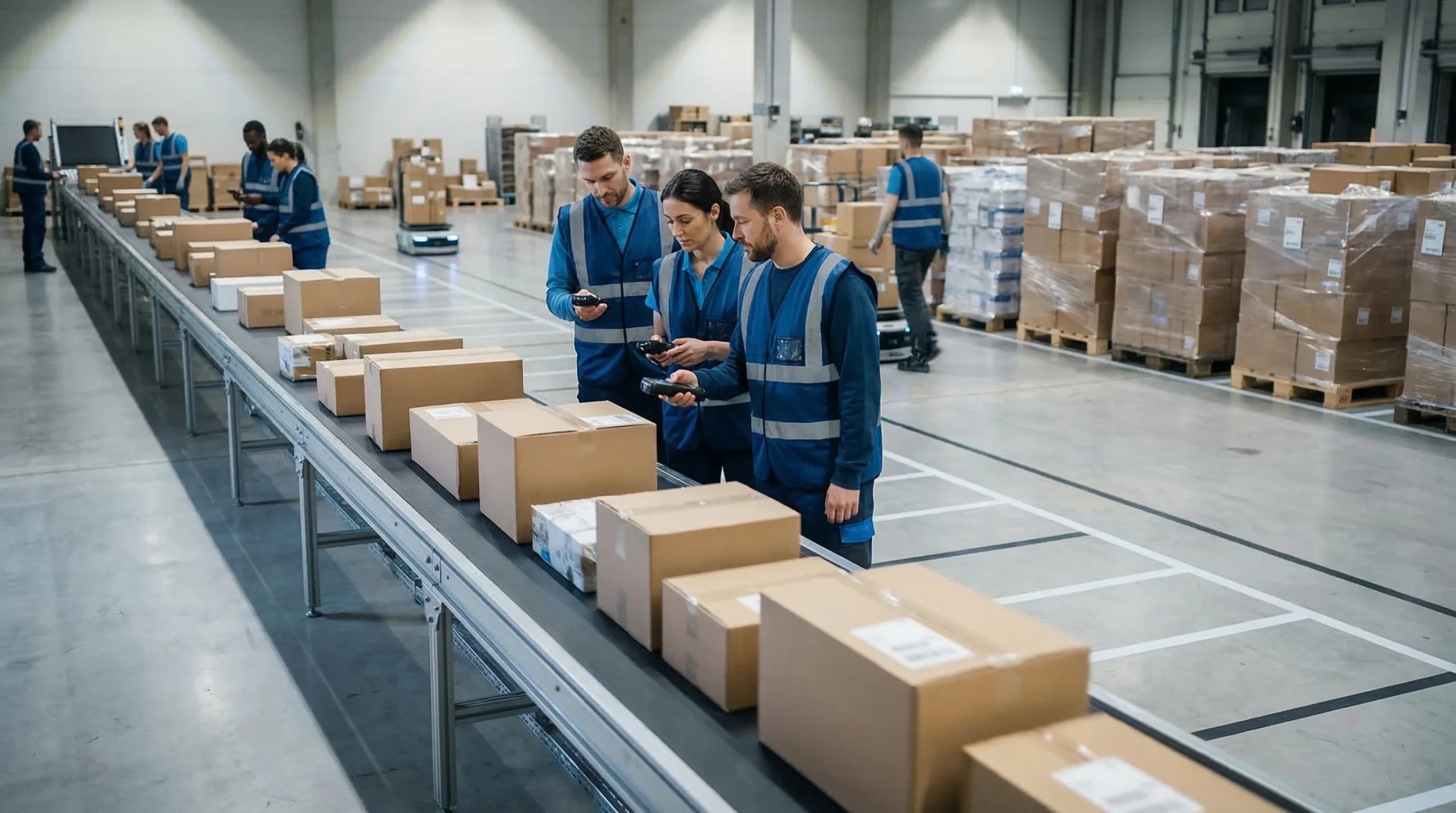
Use of ai in warehouse management, ai powered inventory management system, ai warehouse robots has become essential for modern businesses. You might be wondering whether artificial intelligence is truly ready to transform your warehouse operations – or if it’s just another overhyped technology trend. The short answer? AI has already arrived, and it’s delivering measurable results. The use of AI in warehouse management is helping companies reduce errors, speed up fulfillment, and cut operational costs. From AI-powered inventory management systems that predict demand with remarkable accuracy to AI warehouse robots that work alongside human teams, these technologies are reshaping how modern distribution centers operate. This guide answers your most pressing questions about AI adoption and shows you what’s actually possible today.
Whether you’re managing a single facility or overseeing multiple distribution centers, understanding how AI fits into your operation isn’t optional anymore – it’s essential for staying competitive. Let’s explore what these technologies can do and how they might work for your specific situation.
What Exactly Is AI in Warehouse Management, and How Did We Get Here?
AI in warehouse management refers to computer systems that can learn from data, recognize patterns, and make decisions with minimal human intervention. Unlike traditional automation that follows rigid programming, AI systems adapt to changing conditions and improve their performance over time.
How Has AI in Warehousing Evolved Over the Years?
The journey started with basic barcode scanning and conveyor systems in the 1970s and 1980s. These early automation efforts helped warehouses move faster, but they couldn’t think for themselves. Every rule had to be programmed explicitly, and the systems couldn’t adapt to unexpected situations.
The real shift began around 2010 when machine learning algorithms became practical for business applications. Suddenly, software could analyze historical shipping data and predict which products would sell during specific seasons. It could spot patterns that human analysts might miss.
Today’s AI systems combine several technologies working together:
- Machine learning algorithms that improve predictions based on new data
- Computer vision systems that can identify products and detect damage
- Natural language processing for voice-directed picking
- Robotic systems that navigate warehouses autonomously
Each advancement has built on the previous one, creating increasingly capable systems that handle more complex tasks.
Why Does AI Matter for Warehouses Right Now?
Several factors have converged to make AI adoption urgent rather than optional. Customer expectations have shifted dramatically – same-day and next-day delivery are now standard expectations rather than premium services. This puts enormous pressure on warehouses to fulfill orders faster while maintaining accuracy.
Labor challenges have also intensified. Many warehouse operators struggle to find and retain qualified workers. When you do find good people, you want them focused on tasks that require human judgment rather than repetitive work that machines can handle.
The cost of technology has dropped significantly. What required million-dollar investments a decade ago is now accessible to mid-sized operations. Cloud computing means you don’t need massive on-premise infrastructure to run sophisticated AI applications.

Smarter Warehouse Management Starts Here
Logimax WMS delivers real-time visibility, automated workflows, and seamless ERP integration for warehouses of every size.
Request a Demo
How Can the Use of AI in Warehouse Management Benefit Your Operation?
The practical benefits of AI fall into two main categories: doing things better and spending less money doing them. Let’s examine both in detail.
What Operational Improvements Can You Expect?
The use of AI in warehouse management delivers efficiency gains across multiple operational areas. Consider the picking process – typically the most labor-intensive warehouse activity. AI systems analyze order patterns, product locations, and picker movements to create optimized pick paths. Instead of walking the same aisles repeatedly, workers follow routes that minimize travel time and maximize picks per hour.
Slotting optimization is another area where AI excels. Traditional approaches place fast-moving items in easily accessible locations based on historical data. AI takes this further by considering correlations between products – items frequently ordered together get placed near each other, reducing travel time during multi-item picks.
Quality control improves through computer vision systems that inspect products and packaging. These systems catch defects that human inspectors might miss, especially during long shifts when fatigue sets in. They can also verify that the correct items are being packed for each order.
Key operational improvements include:
- Faster order fulfillment through optimized picking routes
- Reduced errors in picking and packing processes
- Better space utilization through intelligent slotting
- Improved receiving accuracy with automated inspection
- More efficient labor scheduling based on predicted workloads
Where Do the Cost Savings Actually Come From?
Cost reduction happens through several mechanisms. Labor efficiency is the most obvious – when workers complete more picks per hour, you need fewer labor hours to process the same volume. But the savings extend beyond direct labor.
Inventory carrying costs drop when AI-powered systems maintain optimal stock levels. Holding excess inventory ties up capital and warehouse space. Running out of stock costs you sales and damages customer relationships. AI systems find the balance point that minimizes total costs.
Error reduction saves money in multiple ways. Mispicks require return processing, reshipping costs, and customer service time. Inventory discrepancies trigger time-consuming cycle counts. Damaged goods from poor handling require write-offs. Each of these problems has a cost that AI systems help avoid.
Energy costs can decrease through intelligent climate control and lighting systems. Equipment maintenance costs drop when predictive algorithms catch potential failures before they cause breakdowns. Even insurance costs may decrease as safety records improve.
What Should You Know About AI-Powered Inventory Management Systems?
An AI-powered inventory management system goes beyond traditional tracking to actively predict and optimize your stock levels. These systems represent one of the most mature and widely adopted AI applications in warehousing.
What Features Define a True AI-Powered Inventory Management System?
Demand forecasting forms the foundation of AI inventory systems. Traditional forecasting uses historical averages and basic seasonal adjustments. AI-powered inventory management systems incorporate dozens of variables – weather patterns, economic indicators, competitor actions, social media trends, and more. They recognize complex patterns that simpler methods miss.
Dynamic reorder point calculation adjusts when you should replenish each item based on current conditions. If a supplier is experiencing delays, the system raises reorder points automatically. If demand is trending lower than expected, it adjusts downward to prevent overstock.
Anomaly detection spots unusual patterns that might indicate problems – unexpected sales spikes, potential theft, data entry errors, or supplier issues. Rather than waiting for monthly reports to reveal problems, you get alerts when something unusual happens.
Integration with warehouse management software solutions allows AI inventory systems to coordinate with picking, receiving, and shipping operations. When the system predicts a surge in demand for certain products, it can trigger slotting changes to move those items to more accessible locations.
Essential features of AI inventory systems:
- Multi-variable demand forecasting with machine learning
- Automatic safety stock optimization
- Real-time inventory visibility across locations
- Supplier performance tracking and risk assessment
- Automated purchase order generation
- ABC/XYZ classification that updates dynamically
How Are Real Companies Using These Systems?
Consider a mid-sized consumer goods distributor dealing with thousands of SKUs and significant seasonal variation. Traditional forecasting methods resulted in either excess inventory of slow-moving items or stockouts on popular products. After implementing AI-driven demand forecasting, the company saw meaningful improvements in inventory accuracy and a noticeable reduction in carrying costs.
A food and beverage distributor faced different challenges – products with limited shelf life and strict rotation requirements. Their AI-powered inventory management system tracks expiration dates, predicts demand by product and location, and automatically adjusts purchasing to minimize spoilage while maintaining adequate stock.
An industrial parts supplier serving manufacturing clients needed to maintain high service levels for critical components while managing thousands of slow-moving items. AI classification identified which items truly required safety stock and which could be ordered on demand, freeing up significant warehouse space and reducing inventory investment.
What Types of AI Warehouse Robots Are Available, and What Can They Do?
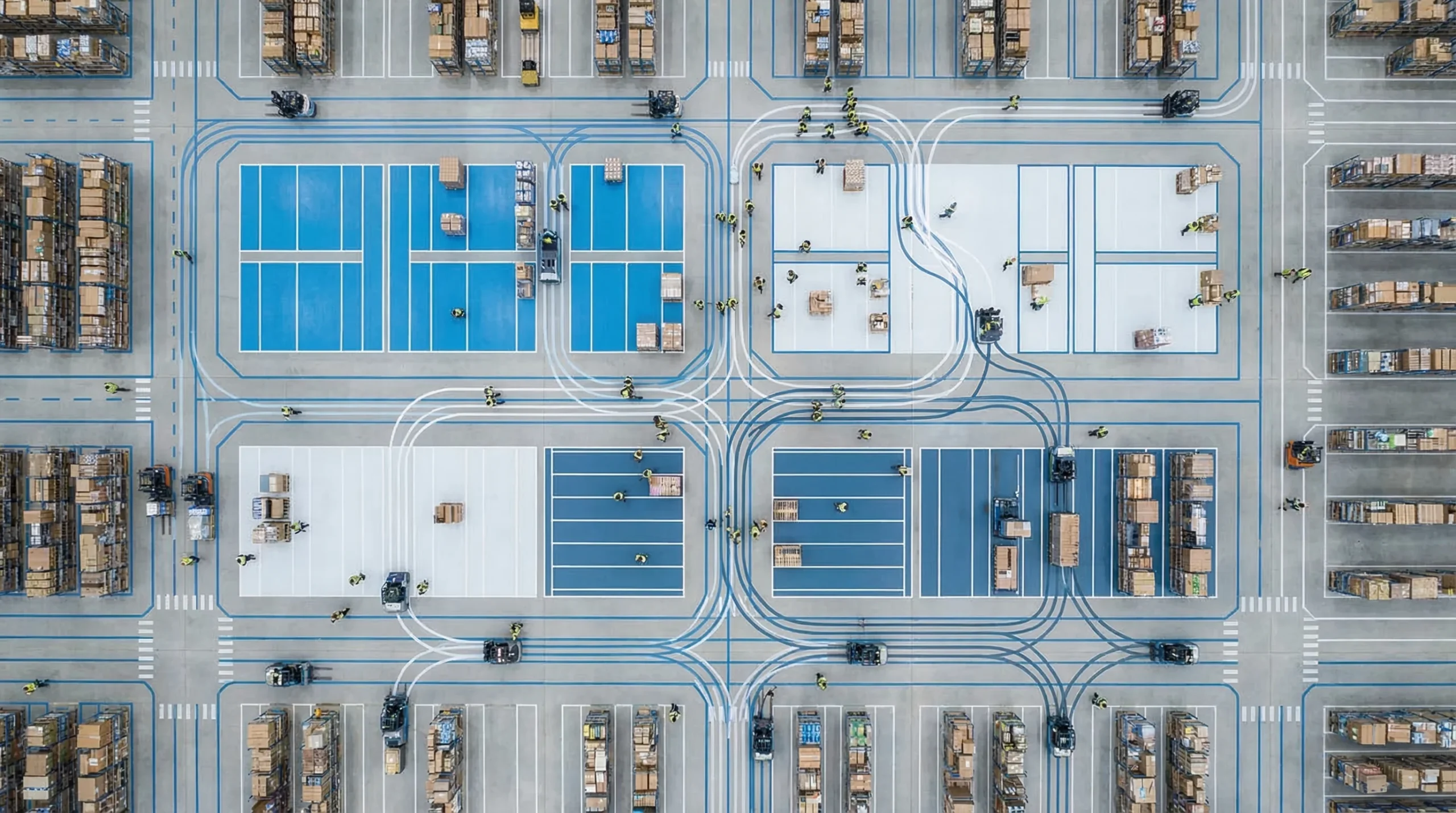
AI warehouse robots have moved from experimental technology to practical tools deployed in thousands of facilities. Understanding the different types helps you identify which might fit your operation.
What Are the Main Categories of AI Warehouse Robots?
Autonomous Mobile Robots (AMRs) navigate warehouse floors without fixed infrastructure like tracks or wires. They use sensors, cameras, and AI to map their environment and find optimal paths around obstacles. Some AMRs carry goods to workers at pack stations – the “goods-to-person” model. Others follow workers through the warehouse, serving as mobile carts that reduce walking time.
Robotic picking arms use computer vision and machine learning to identify, grasp, and move individual items. Earlier generations struggled with products of varying shapes, sizes, and textures. Modern systems handle a much wider variety of items, though highly irregular products still pose challenges.
Automated Storage and Retrieval Systems (AS/RS) with AI enhancement take vertical storage to new levels. Traditional AS/RS followed programmed routines. AI-enhanced versions optimize storage locations based on velocity, correlations, and predictions about future demand.
Sorting robots handle the high-speed categorization of packages and parcels. They read labels, identify destinations, and route items to the correct outbound lanes. AI improves their ability to read damaged labels and handle unusual package shapes.
Common AI warehouse robot types:
- Goods-to-person AMRs that bring products to pack stations
- Collaborative AMRs that work alongside human pickers
- Robotic picking arms for case picking and palletizing
- AI-enhanced AS/RS for high-density storage
- Sorting robots for parcel and package handling
- Inventory drones for cycle counting and location verification
How Do AI Warehouse Robots Affect Your Workforce?
This question deserves a thoughtful answer because it’s often misunderstood. AI warehouse robots don’t eliminate jobs so much as change them. The repetitive, physically demanding tasks get automated. The jobs that require judgment, problem-solving, and adaptability remain human responsibilities.
Workers who previously walked miles per day now operate from stationary stations where robots bring products to them. This reduces physical strain and allows employees to focus on quality checks and customer-specific requirements. Many workers find the new roles less exhausting and more engaging.
New positions emerge as well. Robot fleet supervisors monitor system performance and handle exceptions. Technical roles involve maintaining and programming robotic systems. Data analysts interpret the information these systems generate and identify improvement opportunities.
The transition requires investment in training. Workers need to learn new skills – operating touchscreen interfaces, understanding system alerts, performing basic troubleshooting. Companies that invest in this training typically see better results than those that simply deploy technology without preparing their teams.
As Supply Chain Dive has documented, organizations that approach automation as a partnership between humans and machines generally achieve better outcomes than those pursuing full automation. The combination of human judgment and machine efficiency often outperforms either alone.
What Challenges Should You Expect When Implementing AI in Your Warehouse?
Adopting AI isn’t simply a matter of buying technology and installing it. Several challenges consistently arise, and understanding them helps you prepare.
What Problems Do Most Companies Encounter?
Data quality issues surface immediately when you begin AI implementation. AI systems learn from data, so garbage in means garbage out. Many warehouses discover their historical data has gaps, inconsistencies, and errors they never noticed before. Inventory counts don’t match system records. Product dimensions are missing or incorrect. Supplier lead times haven’t been updated in years.
Integration with existing systems presents technical challenges. Your warehouse management system, enterprise resource planning software, transportation management system, and e-commerce platforms all need to communicate with AI applications. Legacy systems with limited APIs make this difficult. Sometimes middleware or custom integration work is required.
Change management proves harder than expected. Workers may resist new technology, especially if they fear job loss. Middle managers worry about losing control or relevance. Executives expect faster results than realistic implementation timelines allow. Cultural resistance can undermine even the best technical implementations.
Vendor selection is complicated by the crowded and confusing market. Startups make bold claims they can’t support. Established vendors offer bloated solutions designed for much larger operations. Finding the right fit for your specific needs takes careful evaluation.
Common implementation challenges:
- Incomplete or inaccurate historical data
- Integration complexity with legacy systems
- Resistance to change from staff at all levels
- Unrealistic expectations about timelines and results
- Difficulty comparing vendor offerings fairly
- Underestimating the ongoing effort required
What Solutions Have Proven Effective?
Successful implementations typically follow a phased approach rather than attempting full deployment at once. Start with a pilot in one area – perhaps a single product category or fulfillment zone. Work out the issues on a small scale before expanding. This limits risk and builds organizational confidence.
Data cleanup should begin well before AI implementation. Conduct a thorough audit of your existing data. Establish processes for maintaining data quality going forward. Consider this preparation as foundation work that will benefit many future initiatives, not just AI.
Invest heavily in training and communication. Explain why changes are happening and how they’ll affect individual roles. Involve workers in the implementation process – they often have insights about practical issues that engineers miss. Celebrate early wins to build momentum.
Select vendors carefully by checking references thoroughly. Talk to companies similar to yours who have implemented the same solutions. Ask about implementation timelines, support quality, and hidden costs. Don’t rely solely on vendor-provided references – seek independent opinions.
Working with experienced implementation partners accelerates results. Organizations that specialize in warehouse management solutions have seen the common pitfalls and know how to avoid them. Their experience can save months of trial and error.
What Does the Future Hold for AI in Warehouse Operations?
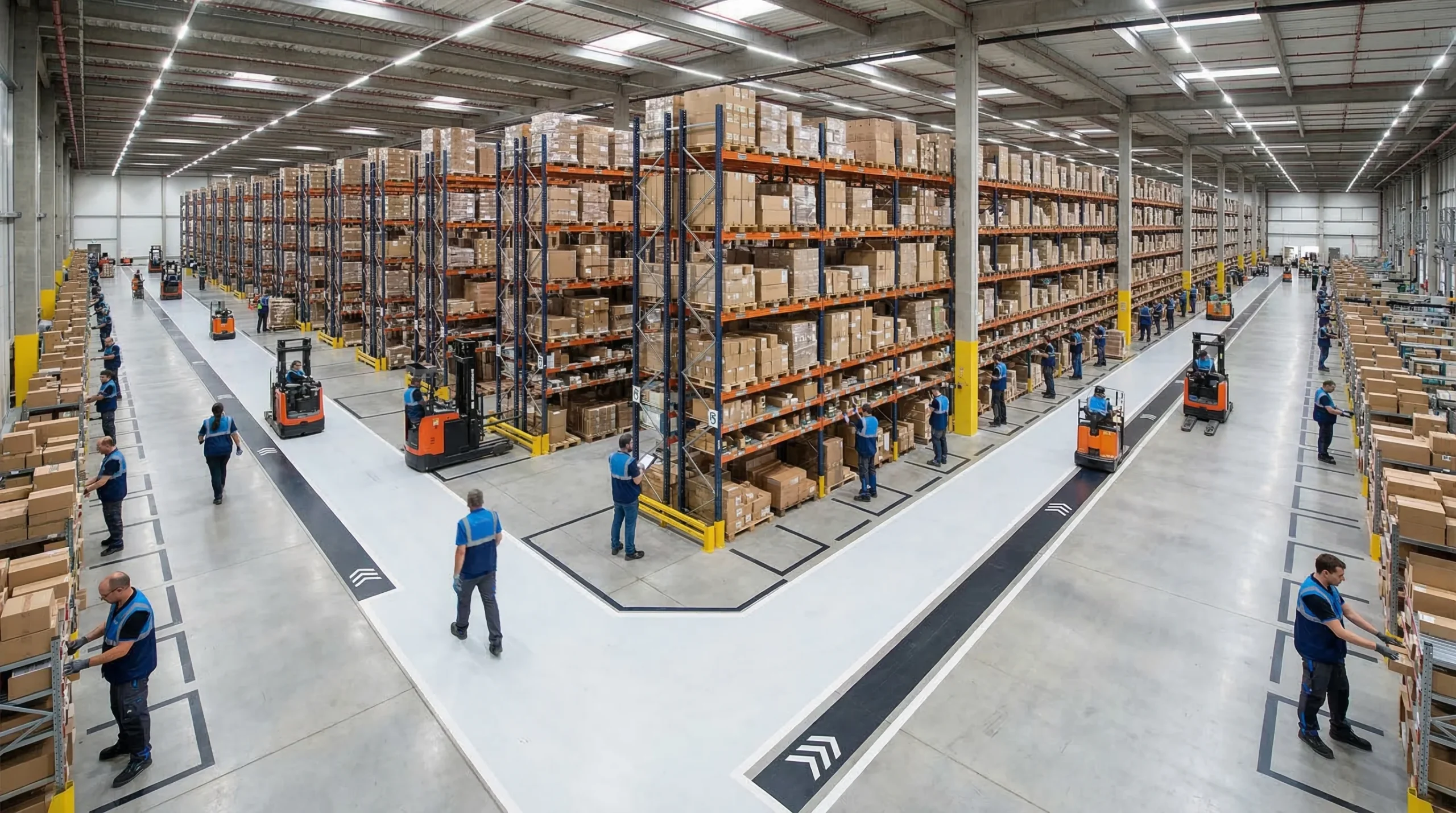
AI technology continues advancing rapidly, and several trends will shape warehouse operations in the coming years.
Which Emerging Technologies Should You Watch?
Edge computing brings AI processing power directly to warehouse devices rather than relying on cloud connections. This reduces latency for time-sensitive decisions. A robotic arm doesn’t need to wait for cloud servers when deciding how to grasp an item – edge AI handles it locally in milliseconds.
Digital twin technology creates virtual models of physical warehouses. You can test changes – new layouts, different slotting strategies, additional robotics – in the digital twin before implementing them physically. This reduces the risk and cost of experimentation.
Internet of Things (IoT) sensors are becoming cheaper and more capable. Smart pallets, connected forklifts, and environmental monitors generate continuous data streams that AI systems use to optimize operations and predict problems.
Natural language interfaces are improving rapidly. Workers will increasingly interact with warehouse systems through voice commands and conversational queries rather than touchscreens and keyboards. This makes systems accessible to workers with varying technical comfort levels.
As Forbes has explored, the combination of multiple AI technologies working together represents the next frontier. Individual AI applications are powerful, but integrated systems that share data and coordinate decisions will deliver the biggest advances.
What Developments Do Industry Observers Predict?
Greater autonomy in decision-making seems inevitable. Current AI systems often recommend actions for human approval. Future systems will handle more decisions independently, with humans focusing on exceptions and strategic choices. The use of AI in warehouse management will shift from assistance to partnership.
Personalization at scale will become more achievable. AI systems will handle individual customer preferences and requirements – specific packaging, custom labeling, value-added services – without requiring manual intervention for each order.
Predictive maintenance will become standard for all warehouse equipment, not just expensive robotics. Sensors and AI will monitor everything from dock doors to hand scanners, scheduling maintenance before failures occur.
Cross-network optimization will connect AI systems across multiple facilities and trading partners. Rather than optimizing individual warehouses in isolation, AI will coordinate inventory positioning and fulfillment across entire supply networks.
Key future trends to monitor:
- Edge AI for real-time local decision-making
- Digital twins for risk-free experimentation
- Expanded IoT sensor networks
- Natural language interfaces for all users
- Autonomous decision-making within defined boundaries
- Network-level optimization across facilities
How Should You Move Forward with AI in Your Warehouse?
AI has moved beyond experimental technology to become a practical tool for warehouse improvement. The organizations achieving the best results aren’t necessarily the largest or most technically sophisticated – they’re the ones that approach AI adoption thoughtfully and systematically.
Start by assessing your current operations honestly. Where are your biggest pain points? Where do errors occur most frequently? Which processes consume the most labor? These areas often represent the best opportunities for AI-driven improvement.
Evaluate your data readiness before committing to specific AI solutions. The investment in data quality will pay dividends regardless of which technologies you ultimately adopt. Good data enables good decisions, whether those decisions are made by humans or machines.
Consider beginning with an AI-powered inventory management system if you haven’t yet adopted AI. These systems offer proven returns and relatively straightforward implementation. The experience will prepare your organization for more ambitious AI projects later.
Build your team’s capabilities alongside your technology capabilities. The warehouses that thrive with AI aren’t replacing humans – they’re creating new combinations of human and machine capabilities that neither could achieve alone.
Ready to explore how AI can improve your warehouse operations? Contact our team to discuss your specific situation and learn which approaches might work best for your facility. You can also explore our warehouse management solutions to see how modern systems support AI integration. The technology is ready – the question is whether you’re ready to take advantage of it.
Frequently Asked Questions
How does AI improve warehouse management efficiency?
AI improves warehouse management efficiency by reducing errors and speeding up fulfillment. AI systems can predict demand more accurately and optimize inventory levels. They also automate repetitive tasks, allowing human workers to focus on more complex activities. For example, AI-powered robots can autonomously navigate warehouses, reducing the time spent on manual picking and packing.
What are AI-powered inventory management systems?
AI-powered inventory management systems use machine learning to predict product demand accurately. These systems analyze historical data to optimize stock levels and reduce overstock or stockouts. They can adapt to changing conditions, improving their predictions over time. By doing so, they help businesses save on storage costs and improve customer satisfaction through better availability.
Why are AI warehouse robots crucial for modern businesses?
AI warehouse robots are crucial because they enhance productivity and reduce operational costs. These robots work alongside human teams, performing tasks like sorting and transporting items. They increase efficiency by handling repetitive tasks quickly and accurately. For instance, AI robots can operate 24/7 without fatigue, ensuring continuous warehouse operations and faster order fulfillment.
What is the use of AI in warehouse management today?
The use of AI in warehouse management today involves automating processes and improving decision-making. AI systems can learn from data, recognize patterns, and make decisions with minimal human intervention. They enhance operations by predicting demand, optimizing routes, and managing inventory more effectively. This leads to reduced errors, quicker fulfillment, and lower costs.
How do AI-powered inventory management systems predict demand?
AI-powered inventory management systems predict demand by analyzing historical shipping data and identifying patterns. Machine learning algorithms process this data to forecast future sales and adjust inventory levels accordingly. This capability helps businesses maintain optimal stock levels, reducing the risk of overstock or stockouts. As a result, companies can meet customer demands more efficiently and reduce waste.
See LIA in Action: Logimax WMS includes LIA (Logimax Intelligent Assistant), an AI-enabled feature that brings natural language reporting and guided workflows directly into your warehouse operations. Explore Logimax’s AI WMS Features →