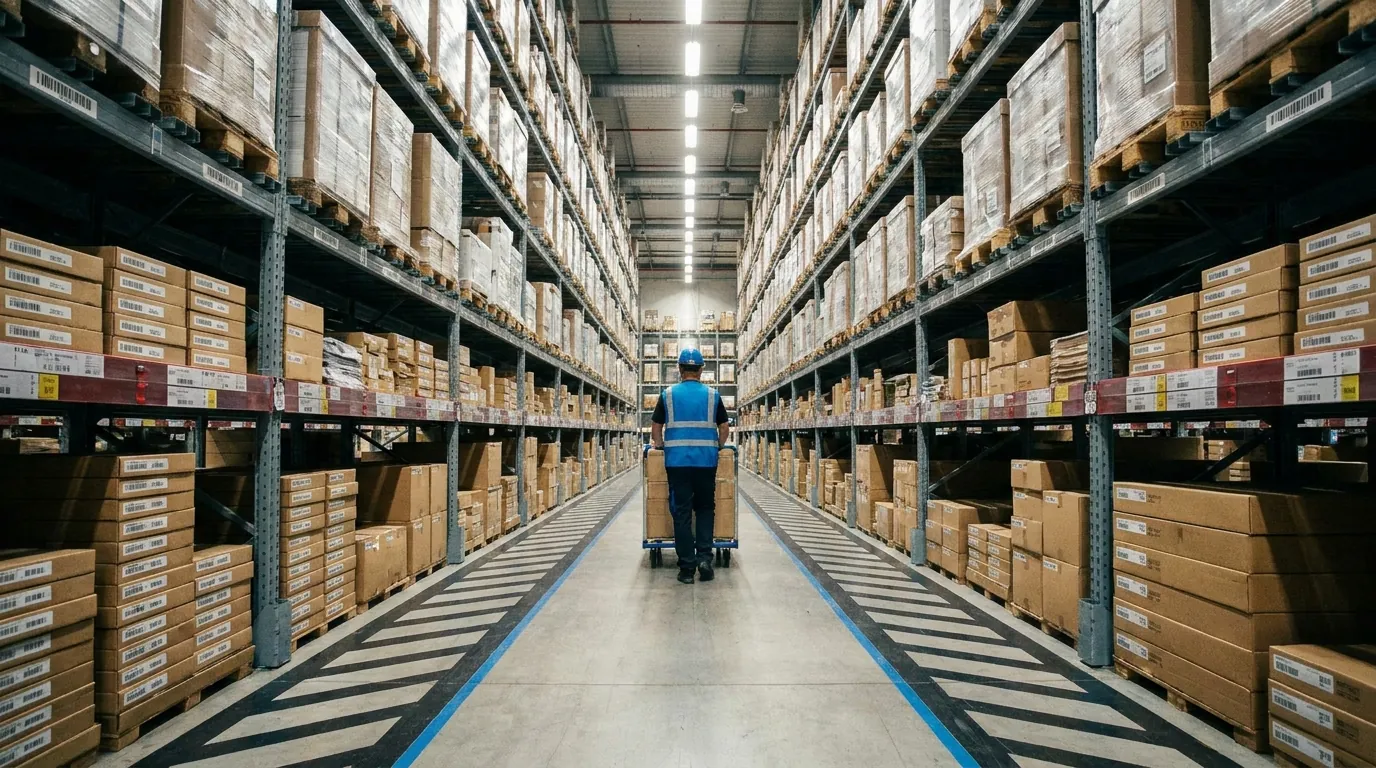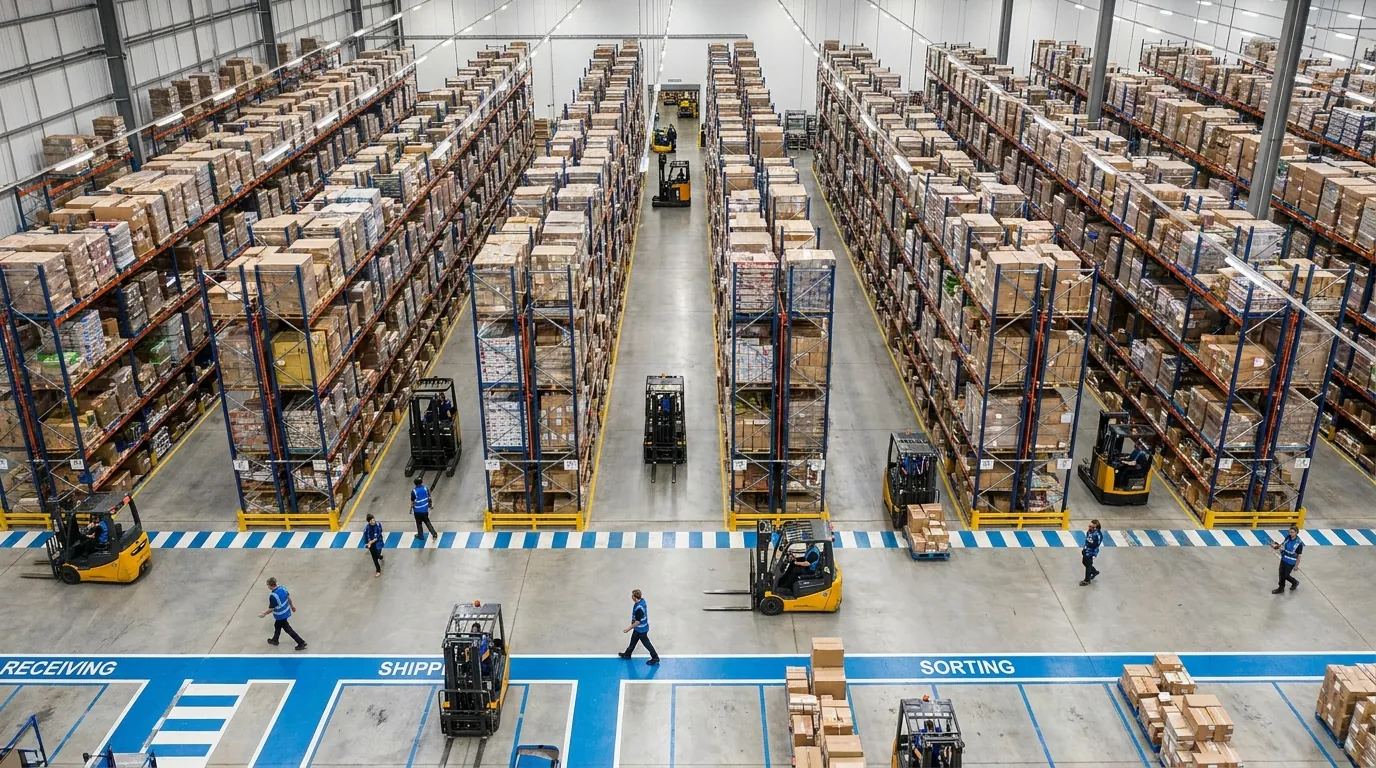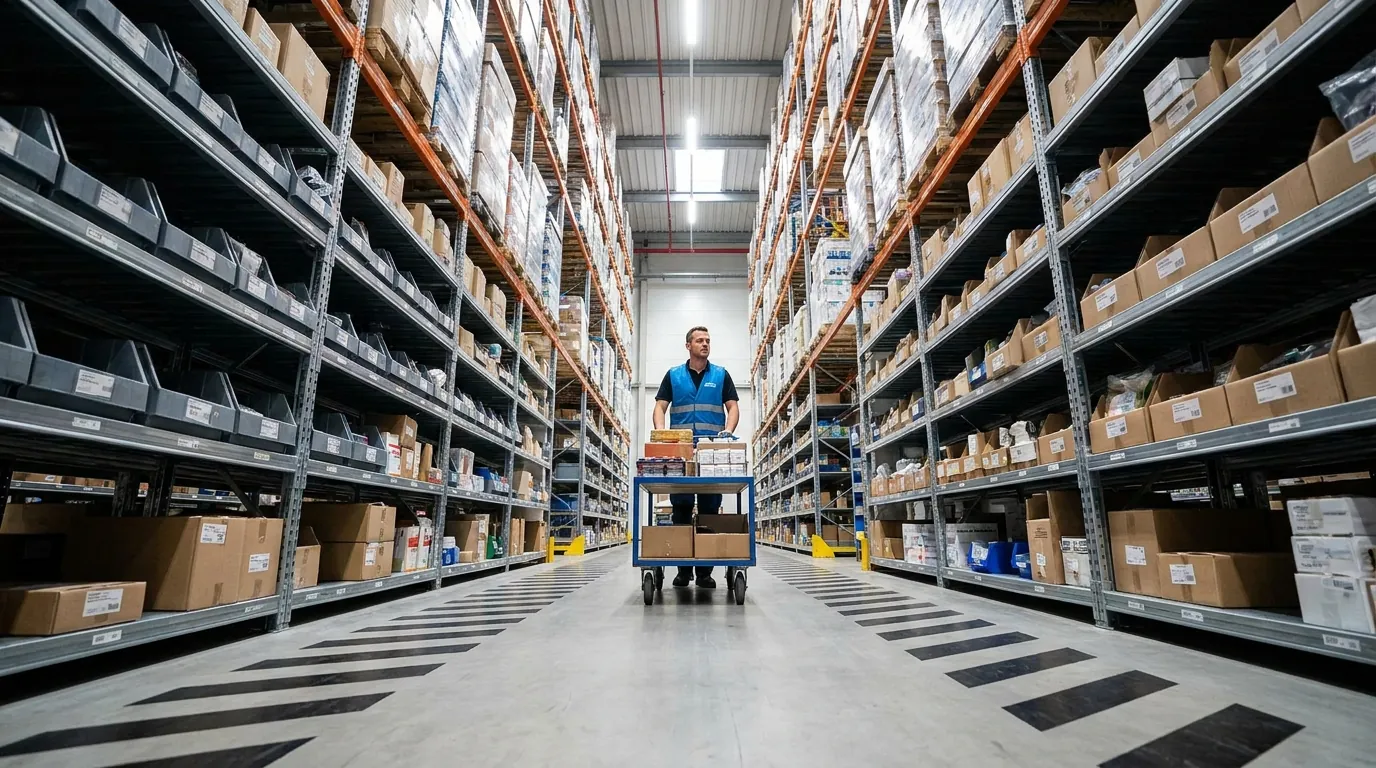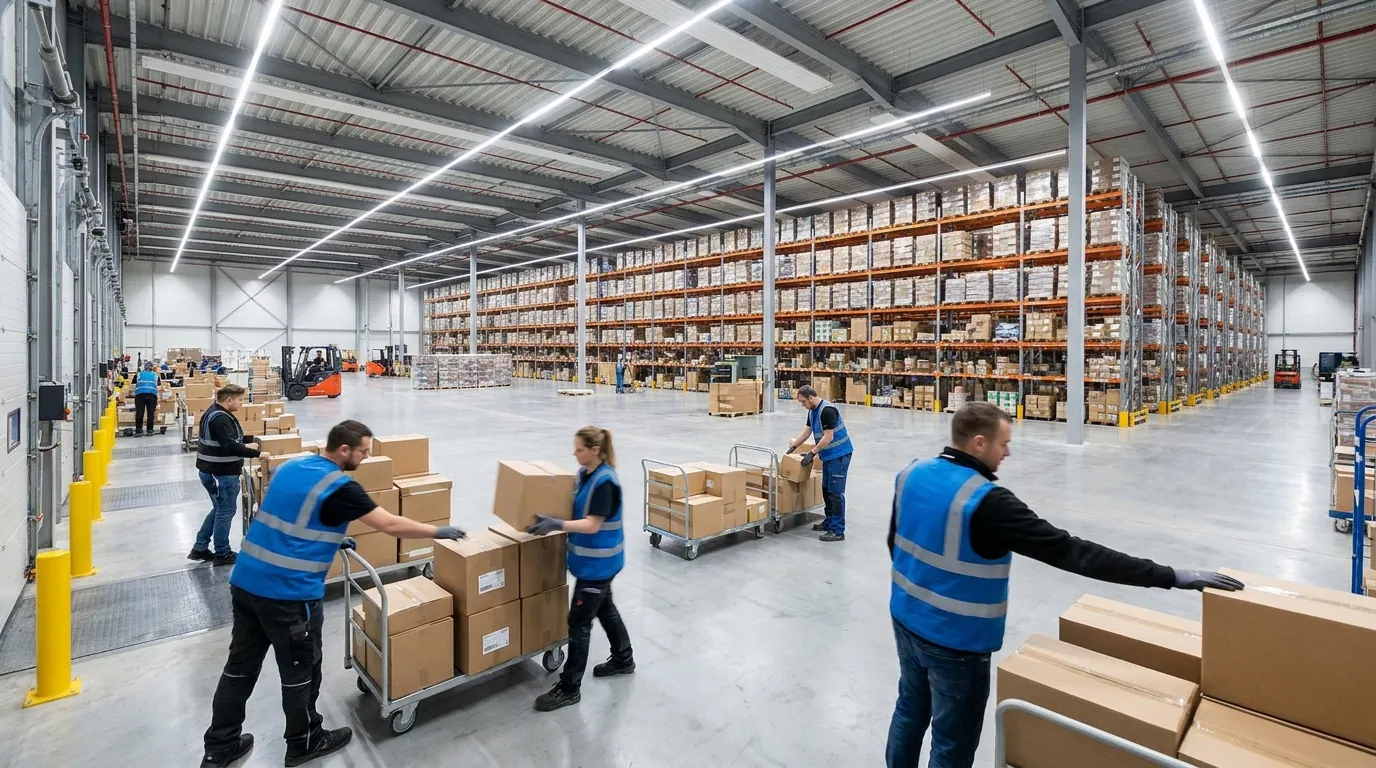
Voice picking, batch picking, warehouse picking bins has become essential for modern businesses. Imagine a distribution center where orders stack up faster than workers can process them. Pickers criss-cross the floor, retracing their steps dozens of times per shift. Errors mount. Customers grow frustrated. The operations manager knows something has to change, but with so many picking methodologies available, choosing the right approach feels overwhelming. This scenario plays out in warehouses across the country, and the solution often lies in understanding the distinct advantages of voice pickingVoice PickingA paperless, hands-free order fulfillment system where warehouse workers receive picking instructions through voice commands via a headset and confirm actions through spoken responses.View full definition →, batch pickingBatch PickingA warehouse picking strategy where workers collect items for multiple orders simultaneously during a single picking trip, rather than completing orders individually.View full definition →, and properly organized warehouse picking bins.
Case picking represents the backbone of most distribution operations. Whether fulfilling retail replenishment orders or shipping to end consumers, the efficiency of your picking process directly impacts customer satisfaction, labor costs, and overall profitability. The challenge isn’t just picking faster – it’s picking smarter while maintaining accuracy and adapting to fluctuating order volumes.
Introduction to Case Picking in Warehouse Operations
Case pickingCase PickingSelecting full cases of a product during the order fulfillment process, rather than individual items from within those cases.View full definition → involves selecting full cartons or cases from storage locations rather than individual items. This method sits between pallet picking (full palletPalletA flat transport structure that supports goods in a stable manner while being lifted by a forklift, pallet jack, front loader, or other jacking device.View full definition → movements) and piece picking (individual unit selection) in terms of volume and complexity. Distribution centers serving grocery retailers, beverage distributors, and wholesale operations rely heavily on case picking to move product efficiently.
The process seems straightforward on paper: receive an order, locate the product, pick the required quantity, and move it to staging. In practice, countless variables affect performance. Storage layout, pick path optimization, worker training, equipment selection, and technology integration all influence whether your case picking operation runs smoothly or struggles to meet demand.
Consider a regional food distributor handling 500 orders daily. Each order might contain 30 to 50 different products spread across a 100,000-square-foot facility. Without systematic picking methods and proper organization, workers could walk miles per shift while still missing accuracy targets. The right combination of picking strategies transforms this chaos into controlled, efficient movement.
Smarter Warehouse Management Starts Here
Logimax WMS delivers real-time visibility, automated workflows, and seamless ERP integration for warehouses of every size.
Request a Demo
Understanding Voice Picking: Benefits and Implementation
Voice picking technology replaces paper lists and handheld scanners with audio instructions delivered through a headset. Workers hear where to go, what to pick, and how many units to select. They confirm actions by speaking simple responses. This hands-free, eyes-free approach keeps workers focused on the physical task of picking rather than reading screens or shuffling papers.
How Voice Picking Systems Work
A typical voice picking system connects to the warehouse management software, which generates pick assignments based on order priorities and optimal routing. The system converts these assignments into spoken instructions, typically including aisle location, slot number, product description, and quantity needed.
Workers wear lightweight headsets with noise-canceling microphones. When they arrive at a location, they confirm by speaking a check digit displayed on the bin or shelf label. After picking, they verbally confirm the quantity. The system immediately updates inventory and moves to the next instruction.
Training new workers on voice picking systems typically takes significantly less time than training on RF scanning devices. The natural speech interface removes the learning curve associated with device navigation, allowing workers to become productive much faster than with traditional methods.
Where Voice Picking Excels
Voice picking delivers the strongest results in environments requiring high accuracy and consistent throughput. Cold storage facilities benefit enormously because workers keep their hands free and don’t need to remove gloves to operate devices. Pharmaceutical distribution centers appreciate the built-in verification steps that support compliance requirements.
The technology also shines in case picking operations where workers handle heavy or bulky items. Both hands remain available for safe lifting and carrying. This reduces fatigue and injury risk compared to managing a scanner while moving product.
- Accuracy rates often improve because verbal confirmations reduce selection errors
- Productivity increases when workers maintain continuous motion without stopping to read screens
- Training time decreases since the interface mirrors natural conversation
- Safety improves as workers keep their eyes on their surroundings
Exploring Batch Picking: Efficiency and Use Cases
Batch picking consolidates multiple orders into a single picking trip. Instead of walking through the warehouse once per order, a picker collects items for several orders simultaneously. This method dramatically reduces travel time, which typically accounts for more than half of a picker’s shift in conventional single-order approaches.
The Mechanics of Batch Picking
Picture a picker assigned to ten orders. Rather than visiting location A-15 ten separate times for ten different orders, they visit once and pick all required units. The system groups orders strategically, selecting those with overlapping products or adjacent storage locations.
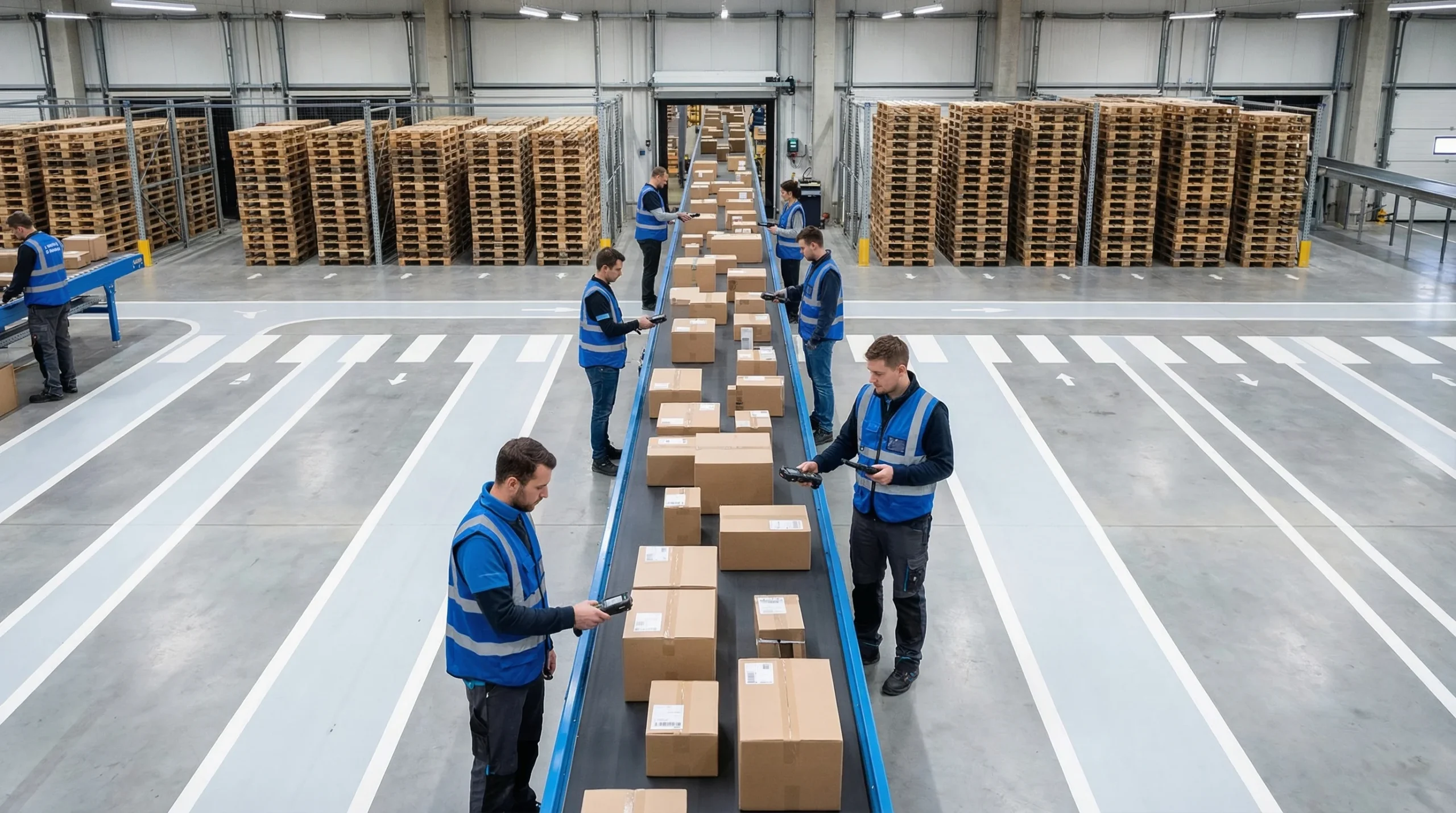
After collection, picked items require sortation. This happens at a central station where workers distribute products into order-specific containers, or through pick-to-cart methods where the cart itself contains separate compartments for each order. The sortation step adds time but rarely offsets the massive travel reduction.
Batch size depends on several factors. Order similarity matters – orders with many common products batch efficiently. Physical constraints also apply. Cart capacity, weight limits, and product dimensions determine how many orders a picker can reasonably handle per trip.
Ideal Scenarios for Batch Picking
E-commerce fulfillment centers processing numerous small orders find batch picking essential. When individual orders contain just two or three items, single-order pickingOrder PickingThe process of retrieving items from their storage locations to fulfill customer orders, representing one of the most labor-intensive and critical operations in warehouse management.View full definition → creates enormous inefficiency. Batching transforms dozens of short orders into consolidated, efficient pick paths.
Seasonal retailers handling promotional surges use batch picking to scale throughputThroughputThe amount of material or items passing through a system or process within a specific time period, typically measured as units per hour, day, or shift.View full definition → without proportionally increasing staff. By grouping hot-selling items, they reduce the trips to popular locations and prevent congestion in high-traffic aisles.
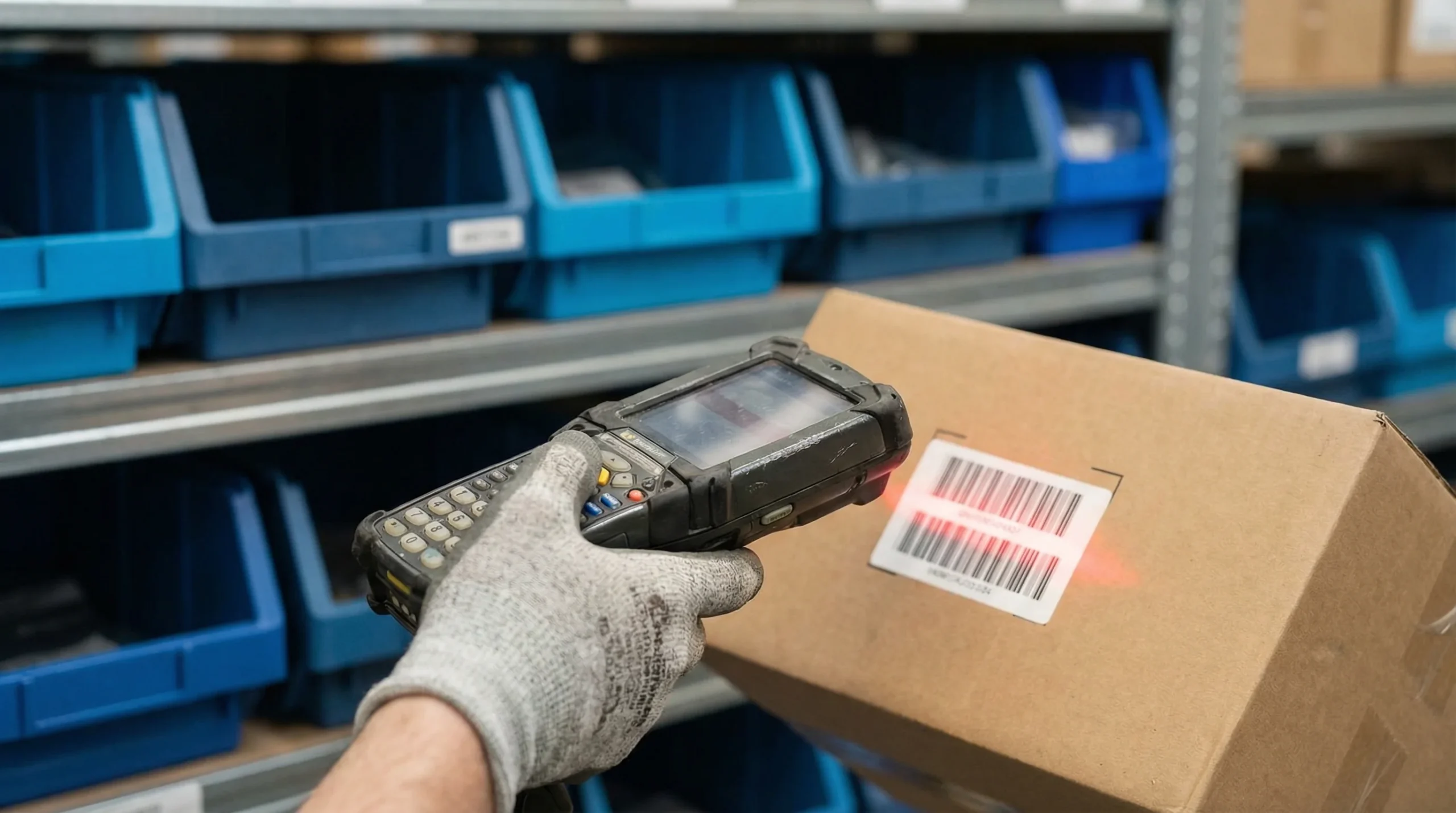
Batch picking also supports wave planning strategies. Orders destined for the same carrier departure or delivery route batch together, ensuring they complete in time for loading. This synchronization between picking and shipping prevents bottlenecks at dock doors.
The Role of Warehouse Picking Bins in Optimizing Operations
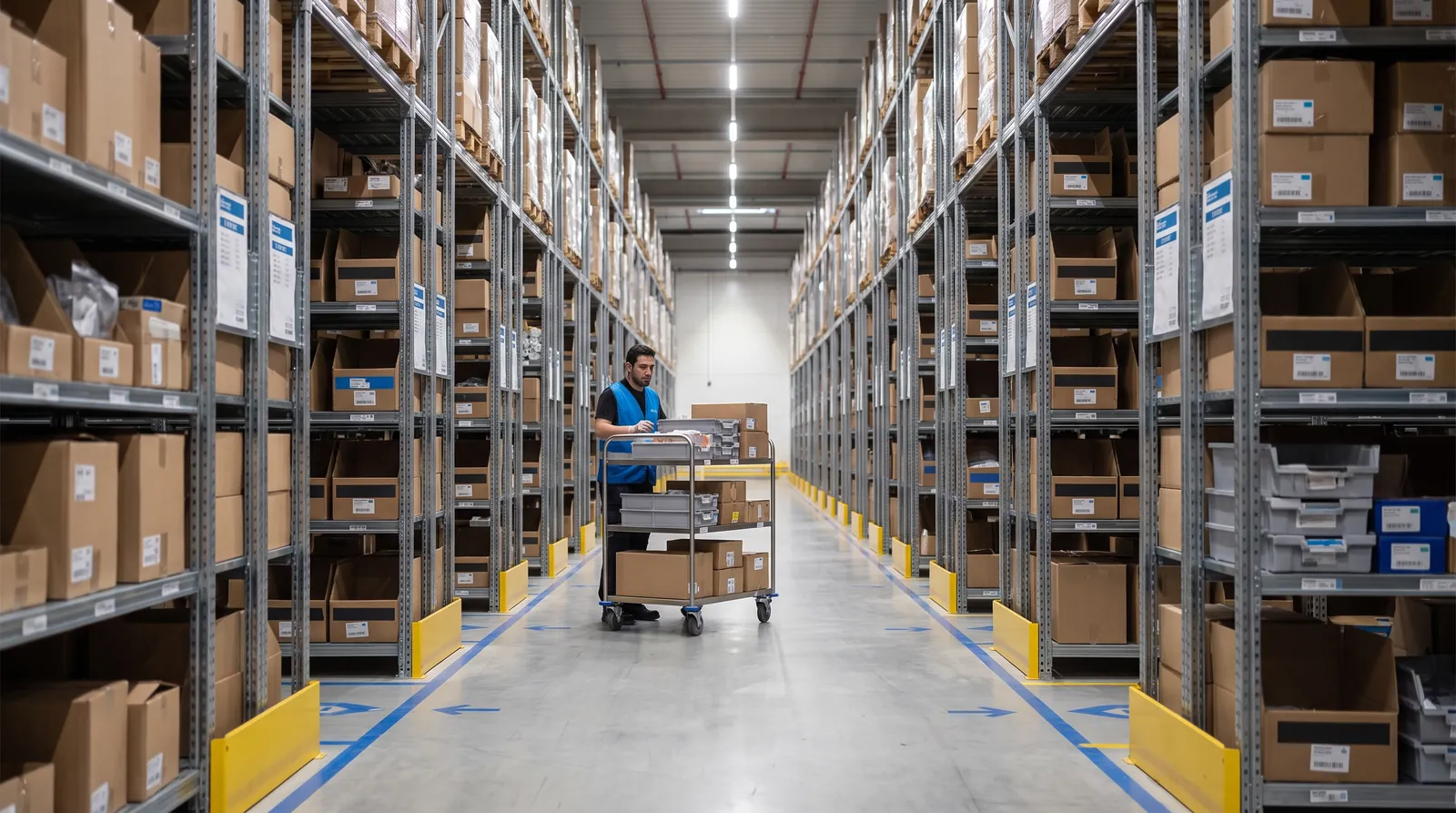
Warehouse picking bins seem like simple storage containers, but their strategic use profoundly impacts picking efficiency. Proper bin selection, placement, and organization determine how quickly workers locate products and how accurately they select quantities.
Bin Types and Their Applications
Open-front bins provide easy access for frequently picked items. Workers see contents at a glance and grab products without opening lids or moving obstacles. These work well in forward pick zones where speed matters most.
Stackable bins maximize vertical space utilization. In narrow-aisle configurations, stacking allows more products within reach of ground-level pickers. Clear bins add visibility benefits, helping workers confirm product identity before selection.
Divided bins support piece picking within case picking operations. When orders occasionally require split cases, divided compartments keep partial quantities organized and accessible. Color-coded bins help workers identify product categories or pick zones quickly.
Strategic Bin Placement
Product velocity drives bin positioning. Fast-moving items belong in ergonomic zones between knee and shoulder height. This placement reduces bending and reaching, protecting worker health while accelerating picks.
Slotting analysis examines pick frequency, product dimensions, and weight to determine optimal locations. Heavy items go at waist height to minimize injury risk. Frequently paired products slot adjacently to reduce travel during multi-line orders.
- Golden zone placement for high-velocity products improves pick rates
- Consistent bin sizing within zones enables faster visual scanning
- Clear labeling with large fonts and check digits supports verification
- Regular slotting reviews maintain optimization as product mix changes
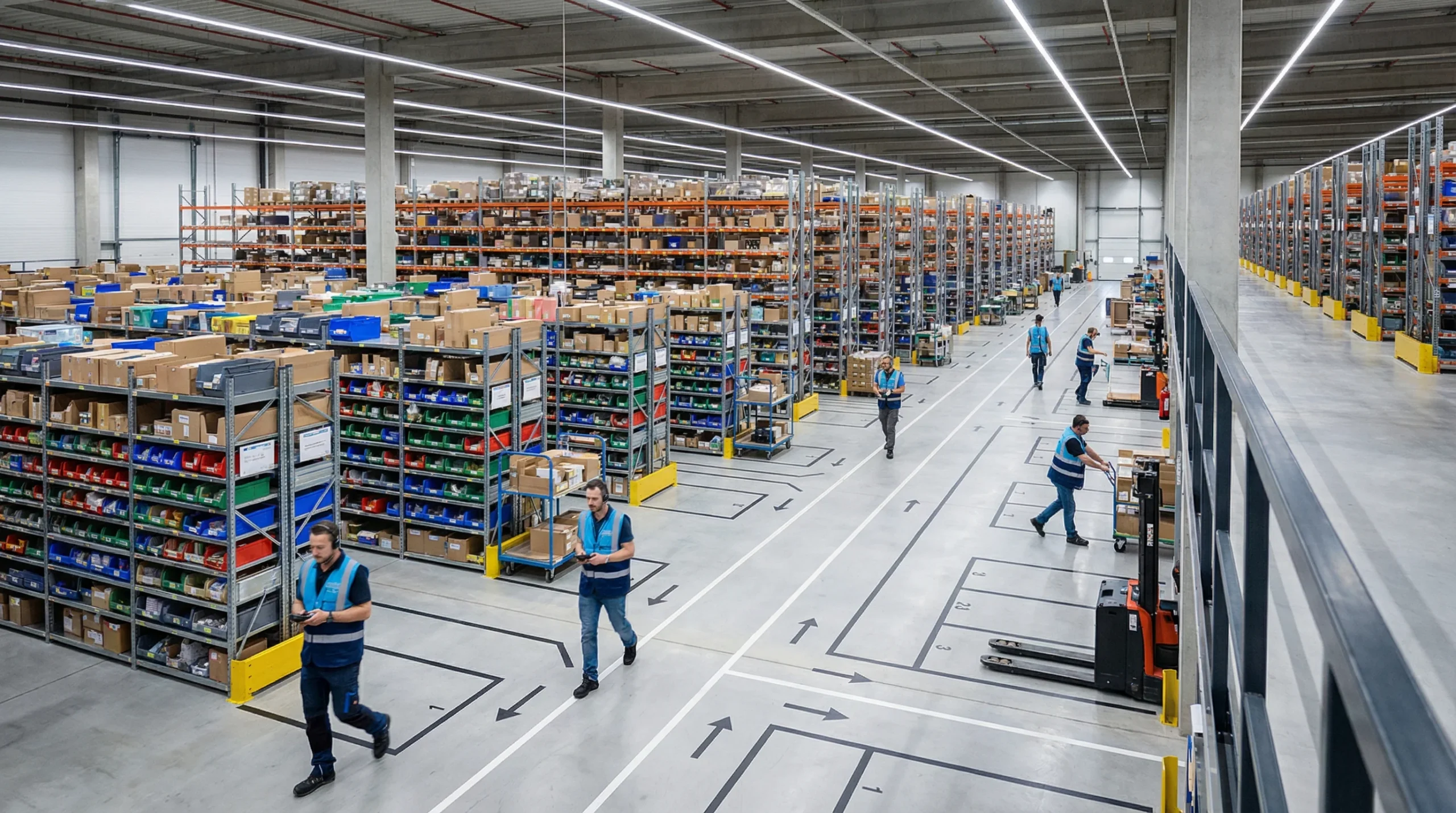
Warehouse picking bins also enable zone picking strategies. By organizing bins into logical zones, warehouses assign workers to specific areas where they develop location familiarity. This specialization improves both speed and accuracy over time.
Comparing Picking Methods: Voice Picking vs. Batch Picking vs. Bins
Selecting the right picking approach requires matching methods to operational characteristics. No single technique works best for every situation. Understanding the trade-offs helps warehouse managers build hybrid strategies that maximize overall performance.
Accuracy Considerations
Voice picking typically delivers the highest accuracy rates because every pick includes verbal confirmation. The system catches errors before workers leave locations. Batch picking introduces more error opportunities during sortation, though barcode scanning at sort stations mitigates this risk.
Properly labeled warehouse picking bins support accuracy through clear identification. When bins contain single SKUs and display prominent location codes, workers verify picks visually. Errors often trace back to poor bin organization rather than picker mistakes.
Productivity Factors
Batch picking generally produces the highest picks-per-hour rates when order profiles support it. The travel time reduction outweighs sortation requirements for most small-order operations. Voice picking accelerates individual picks but doesn’t address travel inefficiency.
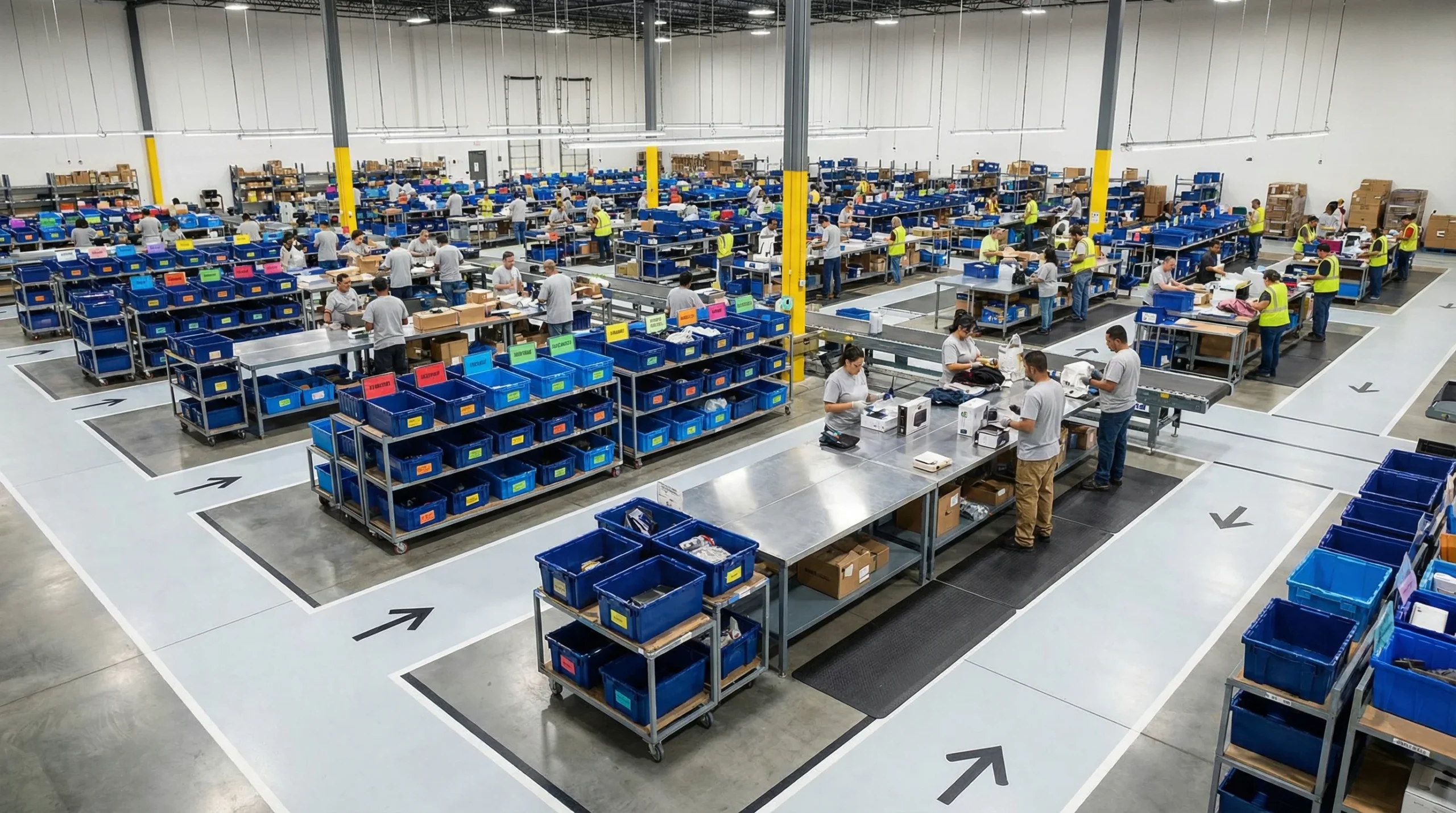
The strongest operations combine methods strategically. Workers batch pick across zones using voice-directed instructions, then sort at downstream stations. This hybrid captures benefits from each approach while minimizing their individual limitations.
Implementation Complexity
Voice picking requires technology investment, including headsets, voice recognition software, and system integration. The upfront cost exceeds paper-based methods but often pays back quickly through accuracy and productivity gains. Ongoing costs include headset maintenance and software licensing.
Batch picking demands strong warehouse management software solutions capable of intelligent order grouping. Simple batching adds modest complexity, while wave-based batch picking requires sophisticated planning algorithms.
Optimizing warehouse picking bins involves physical reorganization and ongoing slotting maintenance. Initial setup requires analysis and labor for repositioning, but operating costs remain low afterward. Many facilities find bin optimization delivers strong returns with minimal technology investment.
Integrating Picking Systems for Enhanced Efficiency
Modern warehouses rarely rely on a single picking methodology. Instead, they build integrated systems that apply different techniques based on order characteristics, product types, and throughput requirements. This flexibility enables operations to handle diverse demands without sacrificing efficiency.
Building a Multi-Method Strategy
Consider how a growing e-commerce fulfillmentFulfillmentThe complete process of receiving, processing, and delivering customer orders from initial placement through final delivery.View full definition → center might structure its picking operation. Fast-moving products live in a forward pick zone with optimized warehouse picking bins. Workers use voice picking for accuracy while following batch-optimized routes. Slow movers remain in reserve storage with single-order picking.
Order characteristics drive method assignment. Small, multi-line orders route to batch picking workflows. Large orders with few lines go directly to single-order processes. Rush orders skip batching to enable immediate fulfillment. The system automatically evaluates each order and assigns the appropriate workflow.
Zone pickingZone PickingAn order picking method where the warehouse is divided into designated zones, with pickers assigned to work exclusively within their specific areas.View full definition → works alongside these methods. Workers specialize in areas they know well, picking portions of orders that downstream processes consolidate. Voice picking technology guides workers through their zones while batch logic determines which orders combine into each pick trip.
Technology Integration Requirements
Successful multi-method operations depend on strong integration between picking technologies and central management systems. Voice systems need real-time inventory visibility. Batch algorithms require order data and warehouse layout information. Bin management connects to slotting optimization and replenishmentReplenishmentThe process of moving or resupplying inventory from a reserve (or upstream) storage location to a primary (or downstream) storage or picking location, or to another facility.View full definition → planning.
Data flows continuously between components. When a voice picker confirms a selection, inventory updates instantly. Batch assignments adjust as orders arrive. Replenishment triggers fire when forward pick bins run low. This orchestration keeps operations running smoothly despite constant change.
Industry resources like Supply Chain Dive regularly cover emerging trends in warehouse technology integration, helping operations teams stay current with evolving best practices.
Future Trends Shaping Picking Operations
Automation continues advancing in warehouse picking. Autonomous mobile robots work alongside human pickers, bringing goods to workers or transporting picked items to sortation. These collaborative systems reduce travel time dramatically while maintaining flexibility that fully automated solutions lack.
Artificial intelligence improves batch optimization and slotting decisions. Machine learning algorithms analyze historical patterns to predict demand and position inventory proactively. Dynamic slotting adjusts bin assignments based on changing velocity, keeping fast movers accessible without manual intervention.
Augmented reality may eventually supplement or replace voice picking in some environments. Visual overlays guide workers to locations and highlight correct products. Early implementations show promise, though voice picking remains the more mature technology for most applications today. Resources at Warehouse Automation track these developments closely.
Building Your Optimized Picking Operation
Effective case picking combines the right methods with proper organization and strong technology support. Voice picking delivers accuracy and hands-free operation. Batch picking reduces travel and increases throughput. Well-organized warehouse picking bins create the foundation that makes every method more effective.
The path forward starts with understanding your current operation. Analyze order profiles, measure travel patterns, and identify accuracy pain points. This baseline reveals which improvements offer the greatest potential returns. From there, prioritize changes that address your specific challenges.
Whether you’re implementing voice picking for the first time, optimizing batch assignments, or reorganizing your picking bins, the right warehouse management software makes the difference between struggling and succeeding. Strong systems orchestrate multiple picking methods, maintain real-time visibility, and adapt to changing demands.
Ready to transform your picking operation? Contact the Logimax team to discuss your specific challenges and explore how integrated warehouse management supports your goals. You can also request a personalized demo to see these concepts in action within your operational context.
Frequently Asked Questions
What is voice picking and how does it work?
Voice picking uses audio instructions to guide workers in picking tasks. Workers wear headsets that deliver directions, allowing them to keep their hands and eyes free. This method improves accuracy and efficiency by reducing reliance on paper lists or screens. Workers confirm picks verbally, ensuring seamless communication and reducing errors.
How does batch picking improve warehouse efficiency?
Batch picking consolidates multiple orders into a single picking activity, reducing travel time. By grouping items together, workers can pick several orders in one pass through the warehouse. This method is particularly effective in high-volume environments where speed and efficiency are critical. It minimizes the need for repeat trips, saving time and labor costs.
Why are warehouse picking bins important?
Warehouse picking bins organize inventory, making items more accessible and reducing picking errors. Proper bin organization ensures that items are stored efficiently, facilitating faster retrieval during the picking process. This system helps maintain order and accuracy, particularly in large facilities with diverse inventory. Well-organized bins contribute to smoother operations and improved productivity.
What are the benefits of voice picking, batch picking in warehouses?
Voice picking and batch picking enhance efficiency and accuracy in warehouses. Voice picking streamlines communication, allowing hands-free operation, while batch picking reduces travel time by consolidating orders. Together, they optimize the picking process, reducing errors and labor costs. These methods are ideal for high-volume environments requiring quick, accurate order fulfillment.
How do picking strategies impact warehouse efficiency?
Picking strategies directly influence warehouse efficiency by determining how quickly and accurately orders are fulfilled. Effective strategies like voice and batch picking reduce errors and labor costs. They ensure that workers spend less time walking and more time picking, improving overall productivity. Adapting strategies to specific warehouse needs can significantly enhance operational performance.