

Warehouse management system for 3pl, 3pl warehouse management software, 3pl inventory management system has become essential for modern businesses. Third-party logistics providers face unique operational demands that general warehouse software simply cannot address. Managing multiple clients, handling diverse inventory types, and meeting varied service level agreements requires specialized technology designed specifically for 3PL operations. A warehouse management system for 3PL delivers the multi-client architecture and flexible billing capabilities these businesses need to thrive.
Choosing the right 3PL warehouse management software can mean the difference between operational excellence and costly inefficiencies. With dozens of solutions available, logistics managers must understand what separates adequate systems from exceptional ones. This comparison guide examines key features, benefits, and integration considerations to help you evaluate options and select a 3PL inventory management system that aligns with your operational goals.
Understanding 3PL Warehouse Management Systems
A 3PL warehouse management system differs fundamentally from standard WMS solutions. While traditional systems focus on single-company operations, 3PL-specific software must handle the complexity of serving multiple clients within the same facility. This multi-tenant architecture affects everything from inventory segregation to billing and reporting.
The core purpose of these systems centers on visibility and control. Logistics managers need real-time insight into inventory levels, order status, and warehouse performance across all client accounts. Without this visibility, meeting service commitments becomes nearly impossible, and profitability suffers from operational blind spots.
What Sets 3PL Systems Apart
Standard warehouse software assumes a single owner for all inventory. 3PL operations break this model entirely. Every item in the warehouse belongs to a specific client, requires separate tracking, and generates distinct billing events. A purpose-built warehouse management system for 3PL handles these requirements natively rather than through workarounds.
Client-specific workflows represent another critical distinction. One client might require lot tracking and expiration date management for perishable goods, while another needs serial number capture for electronics. The system must accommodate these varying requirements without compromising efficiency or accuracy.
- Multi-client inventory segregation and tracking
- Flexible billing rules by client, activity, or storage type
- Client-specific receiving and shipping requirements
- Customizable reporting for internal use and client communication
- Role-based access controlling what each user can view and modify
Key Features of a Warehouse Management System for 3PL
When evaluating 3PL warehouse management software, certain features separate leading solutions from basic offerings. Understanding these capabilities helps logistics managers create meaningful comparison criteria and avoid systems that will limit future growth.
Inventory Tracking Capabilities
Effective inventory tracking forms the foundation of any successful 3PL operation. The system must maintain accurate counts across multiple locations, lot numbers, and storage conditions while attributing every item to the correct client account. Errors in this area create billing disputes, fulfillment problems, and damaged client relationships.
Advanced 3PL inventory management systems support multiple tracking methods simultaneously. Some clients may require only basic SKU-level visibility, while others need full traceability including lot numbers, serial numbers, and manufacturing dates. The system should handle both scenarios without requiring separate configurations or manual tracking.
Cycle counting features help maintain accuracy over time. The best systems support perpetual cycle counting, allowing warehouse staff to verify inventory in small batches during normal operations rather than shutting down for full physical counts. This approach catches discrepancies early and maintains high accuracy rates without disrupting daily work.

Order Management Functions
Order management in a 3PL environment involves more than processing pick lists. The system must handle orders from multiple sources, apply client-specific processing rules, and coordinate fulfillment across shared warehouse resources. Balancing these demands while maintaining speed and accuracy requires sophisticated order management capabilities.
Wave planning and batch processing tools help maximize picking efficiency. By grouping orders intelligently based on location, shipping method, or client priority, the system reduces travel time and increases picks per hour. These efficiency gains directly impact profitability in the typically thin-margin 3PL business.
Integration with carrier systems speeds the shipping process. Rather than manually entering shipment details into separate carrier portals, integrated systems generate labels and tracking information automatically. This automation eliminates duplicate data entry and reduces shipping errors that damage client satisfaction.
- Multi-channel order import from EDI, APIs, and manual entry
- Intelligent wave planning based on customizable criteria
- Automated carrier selection based on client preferences and rates
- Packing verification to prevent shipping errors
- Real-time order status updates for clients and their customers
Benefits of Using 3PL Warehouse Management Software
Implementing the right system delivers measurable improvements across multiple operational areas. While the specific benefits vary based on current processes and system capabilities, most 3PL operations experience significant gains in efficiency, accuracy, and client satisfaction.
Cost Efficiency and Resource Optimization
Labor typically represents the largest expense in warehouse operations. A well-implemented 3PL warehouse management software reduces labor costs by eliminating redundant tasks, optimizing worker movements, and providing clear direction through mobile devices. Workers spend less time searching for items or correcting errors and more time completing productive tasks.
Accurate billing ensures you capture revenue for all services provided. Manual tracking systems often miss billable activities, from receiving charges to special handling fees. Automated activity capture within the WMS creates a complete record of all work performed, supporting accurate invoicing and protecting profit margins.
Space utilization improvements further reduce costs. The system can suggest optimal put-away locations, recommend consolidation opportunities, and track cube utilization by zone. Better space utilization delays costly facility expansions and reduces wasted square footage.
Scalability for Business Growth
Growth creates operational challenges that manual processes cannot handle. Adding new clients, expanding into new facilities, or handling seasonal volume spikes requires systems that scale without proportional increases in overhead. The right 3PL inventory management system supports growth while maintaining service levels.
New client onboarding demonstrates scalability clearly. With a capable system, adding a new client involves configuration rather than custom development. Standard templates and flexible rules allow rapid setup of client-specific requirements without lengthy implementation projects or specialized technical resources.
Consider a mid-sized distributor that onboards three new clients in a single quarter. Without scalable systems, this growth might require additional administrative staff just to handle the increased complexity. With proper 3PL software, the same team manages the additional workload through automation and efficient workflows.
How a 3PL Inventory Management System Enhances Operations
Beyond basic warehouse functions, modern 3PL systems enhance operations through better information access and improved process accuracy. These enhancements compound over time, creating sustainable competitive advantages that basic systems cannot match.
Real-Time Data Access and Visibility
Decision-making improves dramatically when managers have access to current, accurate information. Real-time dashboards show warehouse performance, order status, and potential problems before they escalate. This visibility enables proactive management rather than reactive firefighting.
Client portals extend this visibility beyond your organization. Many 3PL operations now offer clients direct access to inventory levels, order tracking, and reporting through secure web portals. This transparency builds trust and reduces the administrative burden of answering routine status inquiries.
Mobile access keeps managers connected regardless of location. Whether walking the warehouse floor or traveling between facilities, real-time data remains available through smartphones and tablets. This constant connection enables faster responses to developing situations and supports effective multi-site management.
Improved Accuracy Across Operations
Errors in 3PL operations carry double costs. Beyond the direct expense of correction, errors damage client relationships and threaten future business. A warehouse management system for 3PL reduces errors through directed workflows, verification steps, and systematic quality checks.
Barcode scanning eliminates most common data entry errors. Workers scan items at receiving, picking, and shipping rather than manually keying information. This simple change often reduces error rates significantly while simultaneously increasing processing speed.
System-enforced workflows prevent procedural errors. The software guides workers through required steps in the correct sequence, preventing shortcuts that cause problems. For regulated products or clients with strict requirements, this enforcement ensures consistent compliance without relying on individual memory or training.
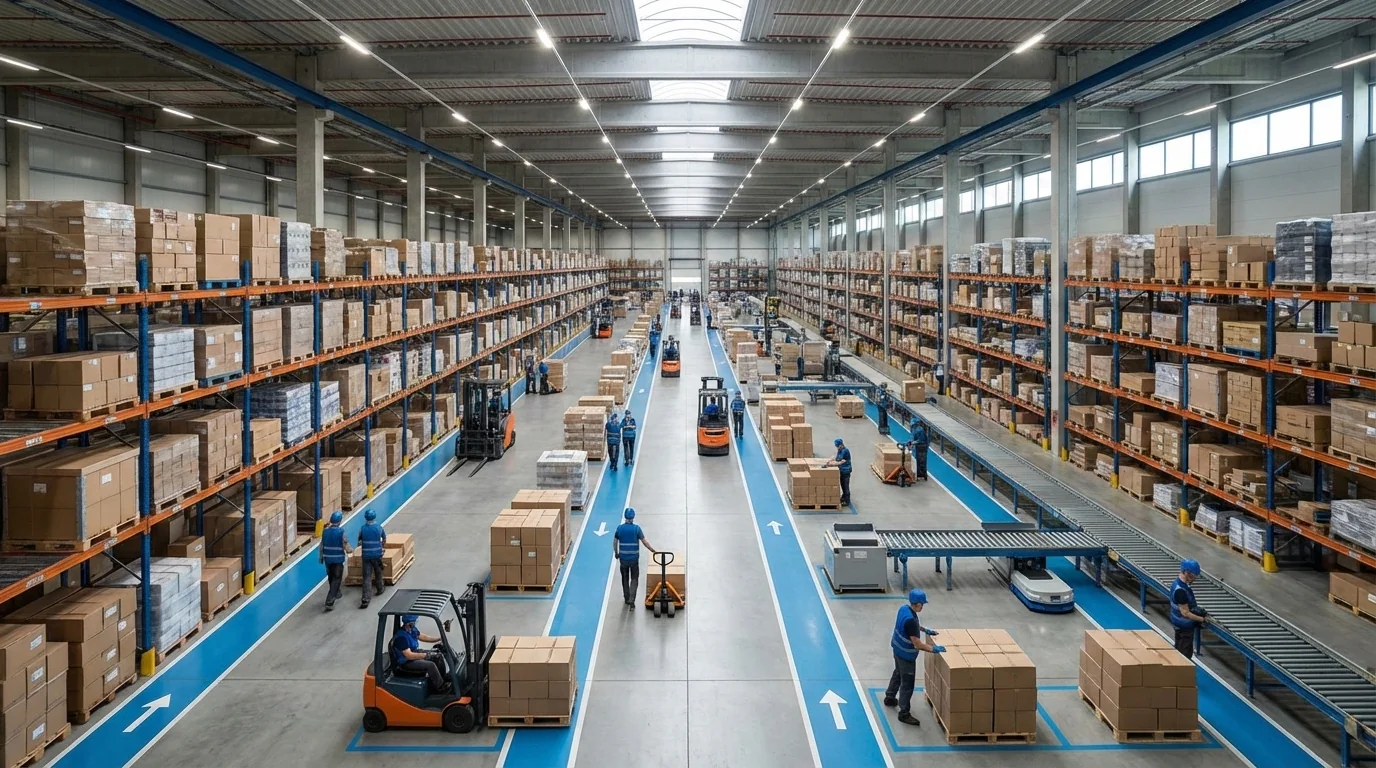
Comparing Integration Approaches for 3PL WMS
Integration capabilities often determine long-term success with any 3PL warehouse management software. The system must exchange data with client systems, carrier platforms, accounting software, and potentially dozens of other applications. Different integration approaches offer varying levels of flexibility, cost, and complexity.
Common Integration Challenges
Data migration from legacy systems presents immediate challenges during implementation. Historical inventory data, client configurations, and transactional records must transfer accurately to avoid operational disruption. Poor data migration planning leads to inventory discrepancies and billing errors that take months to resolve.
System compatibility issues arise when connecting modern WMS platforms with older client systems. Some clients may still use EDI formats developed decades ago, while others expect modern REST APIs. The 3PL WMS must accommodate this diversity without limiting connectivity options.
Training requirements vary significantly based on system complexity. More powerful systems often demand more extensive training before staff can use them effectively. Balancing capability with usability affects both implementation timelines and ongoing operational efficiency.
- Data format inconsistencies between connected systems
- Security requirements for handling sensitive client data
- Version management when connected systems update independently
- Performance impacts from high-volume data exchanges
- Error handling and recovery processes for failed transactions
Effective Solutions and Best Practices
Middleware platforms can bridge compatibility gaps between systems. Rather than building direct connections between every system pair, middleware acts as a translation layer that handles format conversions and routing. This approach reduces integration complexity and simplifies ongoing maintenance.
Phased implementation reduces risk compared to big-bang approaches. Starting with core functionality and adding integrations incrementally allows teams to validate each connection before adding complexity. This methodical approach identifies problems early when they are easier to address.
According to industry resources like Supply Chain Dive, organizations that invest in thorough integration planning experience smoother implementations and faster time-to-value. Taking shortcuts during planning typically creates larger problems during execution.
Comprehensive documentation supports long-term success. Recording integration specifications, data mappings, and configuration decisions creates a reference that helps troubleshoot issues and onboard new team members. Many organizations underestimate documentation importance during implementation and struggle later when key personnel change.
Evaluating 3PL WMS Vendors: A Comparison Framework
Selecting the right vendor requires systematic evaluation across multiple dimensions. Price alone rarely indicates value, and impressive demonstrations do not guarantee production success. A structured comparison framework helps logistics managers make objective decisions based on operational needs.
Core Functionality Assessment
Begin evaluation by mapping your specific requirements against vendor capabilities. Create a detailed list of must-have features, nice-to-have features, and deal-breakers. Rate each vendor against this list using demonstrations, reference calls, and documentation review.
Multi-client handling deserves particular attention in 3PL evaluations. Ask detailed questions about how the system segregates inventory, handles client-specific rules, and manages billing across accounts. Systems designed primarily for single-company use may struggle with true multi-tenant requirements even if they claim 3PL support.
Mobile capabilities affect daily operational efficiency. Evaluate the mobile interfaces your warehouse staff will use constantly. Are they intuitive? Do they work reliably in warehouse conditions? Can they function during brief network outages? These practical considerations impact productivity more than feature lists suggest.
Implementation and Support Comparison
Implementation approach varies significantly between vendors. Some provide turnkey implementations with dedicated project teams, while others expect customers to handle most configuration work. Neither approach is inherently superior, but the approach must match your internal capabilities and timeline requirements.
Training programs differ in format, depth, and ongoing availability. Consider not just initial training during implementation but also resources for new employee onboarding and feature updates. Organizations with high turnover need robust training programs to maintain system proficiency.
Support responsiveness directly impacts operational continuity. Ask about support hours, response time commitments, and escalation procedures. Request references specifically regarding support experiences, as this area often reveals issues that sales processes obscure.
- Implementation timeline and resource requirements
- Training programs for different user roles
- Support availability and response commitments
- Upgrade processes and frequency
- Customer community and knowledge resources
Future Trends Shaping 3PL WMS Technology
Technology continues to evolve rapidly, and 3PL warehouse management systems must adapt to remain competitive. Understanding emerging trends helps logistics managers evaluate solutions not just for current needs but for future requirements. Publications like Logistics Management regularly cover these developing technologies and their operational implications.
AI and Automation Advances
Artificial intelligence is beginning to influence warehouse operations in meaningful ways. Demand forecasting algorithms analyze historical patterns to predict future volume, enabling better labor planning and inventory positioning. These predictions improve over time as the system learns from actual results.
Robotic integration represents another growing trend. While fully automated warehouses remain rare, many operations now include automated storage and retrieval systems, autonomous mobile robots, or robotic picking assistants. The WMS must coordinate these automated systems alongside human workers.
Machine learning applications continue expanding. From optimizing pick paths to identifying potential quality issues, these technologies augment human decision-making without replacing it entirely. The most effective implementations use AI to surface recommendations while keeping humans in control of final decisions.
Cloud Deployment and Accessibility
Cloud-based deployment has become the dominant model for new 3PL warehouse management software implementations. This approach offers several advantages over traditional on-premises installations, though it also introduces considerations that organizations must evaluate carefully.
Lower upfront costs make cloud solutions attractive to growing 3PL operations. Rather than purchasing servers and infrastructure, organizations pay subscription fees that spread costs over time. This financial model aligns expenses with usage and preserves capital for other investments.
Automatic updates keep cloud systems current with the latest features and security patches. On-premises installations often fall behind on updates due to the effort required for each upgrade. Cloud delivery eliminates this maintenance burden and ensures all users have access to current functionality.
Accessibility improvements benefit distributed operations. Staff can access cloud systems from any location with internet connectivity, supporting remote management, multi-facility operations, and mobile workforces. This flexibility proved particularly valuable as work patterns shifted in recent years.
Making the Right Choice for Your Operation
Selecting a 3PL inventory management system involves balancing current needs against future goals. The right solution handles today’s requirements efficiently while providing room for growth and adaptation. Rushing this decision typically leads to costly replacements within a few years.
Start by documenting your specific operational requirements in detail. Include current processes, known pain points, client expectations, and growth plans. This documentation becomes the foundation for meaningful vendor evaluations and helps ensure you choose a system that fits your unique situation.
Involve key stakeholders throughout the selection process. Operations managers, IT staff, and client-facing teams all bring valuable perspectives that improve decision quality. Their input also builds buy-in that supports successful implementation.
Plan for implementation success from the beginning. Even the best software fails without proper implementation, training, and change management. Budget adequately for these activities and resist pressure to cut corners that compromise long-term results.
Conclusion: Choosing Your Path Forward
A capable warehouse management system for 3PL operations delivers measurable improvements in efficiency, accuracy, and client satisfaction. The comparison points covered here provide a framework for evaluating options and identifying solutions that match your operational requirements.
Remember that technology alone does not guarantee success. Effective implementation, thorough training, and ongoing optimization transform software potential into operational reality. Organizations that invest appropriately in these areas consistently outperform those that focus solely on software selection.
The 3PL market continues to grow, and operations that invest in strong technological foundations position themselves to capture this growth. Those relying on outdated systems or manual processes will struggle to meet increasing client expectations for visibility, speed, and accuracy.
Ready to explore how modern warehouse management solutions can transform your 3PL operation? Contact Logimax to schedule a personalized demonstration and see how purpose-built 3PL software addresses your specific challenges. Our team can provide detailed information about capabilities, implementation approaches, and how other 3PL operations have achieved measurable results. Request a consultation today to start the conversation about your operational goals.
Frequently Asked Questions
What is a 3PL warehouse management system?
A 3PL warehouse management system is specialized software for third-party logistics providers. It handles multi-client operations, inventory segregation, and flexible billing. Unlike standard systems, it supports diverse client needs and ensures efficient management. This system is essential for logistics providers to meet varied service level agreements and maintain operational efficiency.
How does 3PL warehouse management software differ from standard WMS?
3PL warehouse management software supports multi-client operations, unlike standard WMS. It offers features like inventory segregation and client-specific billing. This software also accommodates diverse client requirements, such as lot tracking or serial number capture. These capabilities make it essential for third-party logistics providers handling varied inventory types.
Why is a 3PL inventory management system crucial for logistics providers?
A 3PL inventory management system is crucial for logistics providers due to its multi-client support. It offers real-time visibility into inventory levels and order status across clients. This visibility ensures service commitments are met and operational efficiency is maintained. Without it, logistics providers face operational blind spots and potential profitability issues.
What features should you look for in a 3PL warehouse management system?
Key features in a 3PL warehouse management system include multi-client inventory tracking and flexible billing rules. It should also support client-specific workflows and customizable reporting. Role-based access control is essential for managing user permissions. These features ensure the system meets diverse client needs efficiently.
How does a warehouse management system for 3PL improve efficiency?
A warehouse management system for 3PL improves efficiency by providing real-time insights and supporting multi-client operations. It streamlines inventory management and billing processes, reducing errors and operational bottlenecks. This system also enhances communication and reporting, ensuring logistics providers can meet client expectations effectively.