Ai inventory management software, ai-powered inventory management system, ai tools for inventory management has become essential for modern businesses. You might be wondering how some businesses seem to have a sixth sense about inventory – never running out of popular items, never sitting on mountains of dead stock, and always delivering orders on time. The answer increasingly lies in AI inventory management software. These intelligent systems are transforming how companies predict demand, optimize stock levels, and make faster decisions. Whether you’re exploring an AI-powered inventory management system for the first time or evaluating AI tools for inventory management to replace outdated processes, understanding what this technology can actually do for your operation is essential.
This guide answers the questions business owners and supply chain managers are asking most about AI in inventory management – from practical benefits to implementation realities.
What Is AI Inventory Management and How Did We Get Here?
Before diving into what AI can do, it helps to understand how inventory management evolved to this point. The technology didn’t appear overnight – it built on decades of incremental improvements in how businesses track and manage stock.
How Has Inventory Management Changed Over the Decades?
For most of commercial history, inventory management meant clipboards, physical counts, and educated guesses. A warehouse manager might walk the floor, note what looked low, and place orders based on intuition and experience.
The introduction of barcode scanning in the 1970s marked the first major leap forward. Suddenly, businesses could track items electronically, reducing human error and speeding up data collection. Enterprise Resource Planning systems followed in the 1990s, connecting inventory data to other business functions like accounting and purchasing.
Traditional software brought real improvements, but it still relied heavily on historical data and static rules. If demand patterns shifted unexpectedly – a viral social media post, a competitor’s stockout, or a sudden weather event – these systems couldn’t adapt quickly enough.
What Makes AI Different From Traditional Inventory Systems?
AI inventory management software processes information differently than rule-based systems. Instead of following pre-programmed instructions, machine learning algorithms identify patterns in data that humans might miss. They can factor in variables that traditional systems ignore entirely.
Consider demand forecasting. A conventional system might look at last year’s sales for the same period and add a growth percentage. An AI-powered inventory management system analyzes dozens of factors simultaneously:
- Historical sales patterns across multiple timeframes
- Promotional calendars and pricing changes
- Weather forecasts for delivery regions
- Social media sentiment and trending topics
- Competitor pricing and stock availability
- Economic indicators affecting consumer spending
The system learns continuously, adjusting its predictions as new data arrives. This adaptive capability separates AI from static business intelligence tools.

Smarter Warehouse Management Starts Here
Logimax WMS delivers real-time visibility, automated workflows, and seamless ERP integration for warehouses of every size.
Request a Demo
What Benefits Does AI Inventory Management Software Actually Deliver?
Businesses considering AI tools for inventory management typically want to know what concrete improvements they can expect. The benefits fall into several categories, though the specific impact varies based on industry, operation size, and current process maturity.
How Does AI Improve Inventory Accuracy?
Manual inventory processes introduce errors at every step. Someone miscounts during a physical audit. A receiving clerk enters the wrong quantity. A picker grabs from the wrong bin and doesn’t report it. These small mistakes compound over time, creating inventory records that don’t match physical reality.
AI inventory management software attacks this problem from multiple angles. Machine learning algorithms can detect anomalies in inventory data – flagging when counts seem off based on expected patterns. Computer vision systems in warehouses can verify picks and catches mismatches before they become larger problems.
Demand forecasting accuracy also improves substantially. When predictions align more closely with actual demand, businesses order the right quantities at the right times. This reduces both overstock situations and stockouts.
Where Do the Cost Savings Come From?
Inventory represents tied-up capital. Every product sitting in a warehouse is money that could be deployed elsewhere in the business. AI-powered systems help optimize this investment in several ways:
- Reduced carrying costs – Better demand prediction means less excess inventory sitting in storage
- Lower expedited shipping expenses – Fewer emergency orders when stock runs unexpectedly low
- Decreased shrinkage – Anomaly detection catches theft, damage, or misplacement faster
- Minimized obsolescence – Products move before they expire, go out of season, or become outdated
- Optimized labor allocation – Predictive insights help schedule warehouse staff more efficiently
The financial impact compounds across these areas. A business that improves forecast accuracy while also reducing expedited shipments and cutting carrying costs sees multiplicative benefits.
What Should You Look for in AI-Powered Inventory Management Systems?
Not all systems marketed as “AI-powered” deliver the same capabilities. Understanding what features matter – and what questions to ask vendors – helps separate genuinely useful tools from marketing hype.
What Features Define a Truly AI-Powered System?
The core capabilities to evaluate include:
Predictive demand forecasting – The system should analyze multiple data sources and improve predictions over time. Ask vendors how their algorithms learn and what data inputs they can incorporate beyond basic sales history.
Automated replenishment recommendations – AI tools for inventory management should suggest optimal order quantities and timing, accounting for lead times, supplier constraints, and storage capacity.
Anomaly detection – The system should flag unusual patterns that might indicate problems – sudden demand spikes, unexpected stockouts, or discrepancies between recorded and actual inventory.
Scenario modeling – Advanced systems let users test “what if” scenarios. What happens to inventory requirements if a key supplier’s lead time doubles? How would a promotional campaign affect stock levels across locations?
Real-time analytics dashboards – Visibility into current inventory status, performance metrics, and trend analysis should be accessible without waiting for batch reports.
How Difficult Is Implementation and Integration?
You might be wondering whether adopting AI inventory management software requires ripping out existing systems. The answer depends on the solution and your current technology stack.
Modern AI tools are increasingly designed with integration in mind. Many connect to popular ERP systems, e-commerce platforms, and warehouse management software solutions through standard APIs. Cloud-based deployments reduce infrastructure requirements on your end.
However, implementation isn’t just a technical exercise. Successful adoption requires:
- Clean, consistent historical data for the AI to learn from
- Clearly defined business rules and objectives
- Staff training on new workflows and system capabilities
- Change management to overcome resistance to algorithmic recommendations
- Ongoing monitoring and adjustment as the system learns
The timeline varies widely. Simple integrations with good data foundations might take weeks. Complex multi-location deployments with legacy system migrations can require months of careful planning and execution.
How Do You Choose the Right AI Tools for Inventory Management?
The market offers numerous options, from standalone AI forecasting tools to comprehensive platforms that handle multiple supply chain functions. Making the right choice requires matching capabilities to your specific situation.
What Types of AI Inventory Tools Are Available?
AI inventory management software falls into several categories:
Demand forecasting specialists – These tools focus specifically on predicting future demand, often integrating with existing inventory systems to provide better forecast inputs.
Inventory optimization platforms – Broader solutions that handle forecasting, replenishment planning, safety stock calculations, and inventory allocation across locations.
Integrated supply chain suites – Enterprise platforms where AI-powered inventory management is one component alongside transportation, warehouse, and order management capabilities.
Vertical-specific solutions – Tools designed for particular industries like fashion retail, food and beverage, or pharmaceuticals, with AI models trained on industry-specific patterns.
According to Supply Chain Brain, the AI supply chain market continues expanding as more businesses recognize the limitations of traditional planning tools.
What Questions Should You Ask Before Selecting a Solution?
Before committing to any AI inventory management software, get clear answers to these questions:
- How does the system handle new products with no sales history?
- What data sources can the AI incorporate beyond internal sales data?
- How transparent are the algorithm’s recommendations? Can users understand why specific suggestions are made?
- What happens when the AI gets a prediction wrong? How quickly does it adapt?
- What integration options exist for your current systems?
- How is the solution priced – per user, per SKU, or based on transaction volume?
- What ongoing support and training is included?
Pay attention to vendors who can explain their technology in plain language and provide references from businesses similar to yours.
What Do Real AI Inventory Implementations Look Like?
Understanding how businesses actually deploy and benefit from AI-powered inventory management systems helps set realistic expectations. While specific results vary, certain patterns emerge across successful implementations.
How Are Retailers Using AI for Inventory?
Consider a multi-location retail operation struggling with inconsistent stock levels across stores. Some locations constantly run out of popular items while others sit on excess inventory that eventually requires markdowns.
An AI-powered inventory management system can analyze sales velocity at each location, factoring in local demographics, nearby competition, and even store-specific traffic patterns. The system recommends optimal inventory allocation across the network, transferring stock between locations before items become overstock problems or stockout emergencies.
The retailer benefits from improved sell-through rates, reduced markdown losses, and better customer satisfaction when popular items remain available. Staff spend less time manually monitoring and adjusting stock levels because the system handles routine decisions automatically.
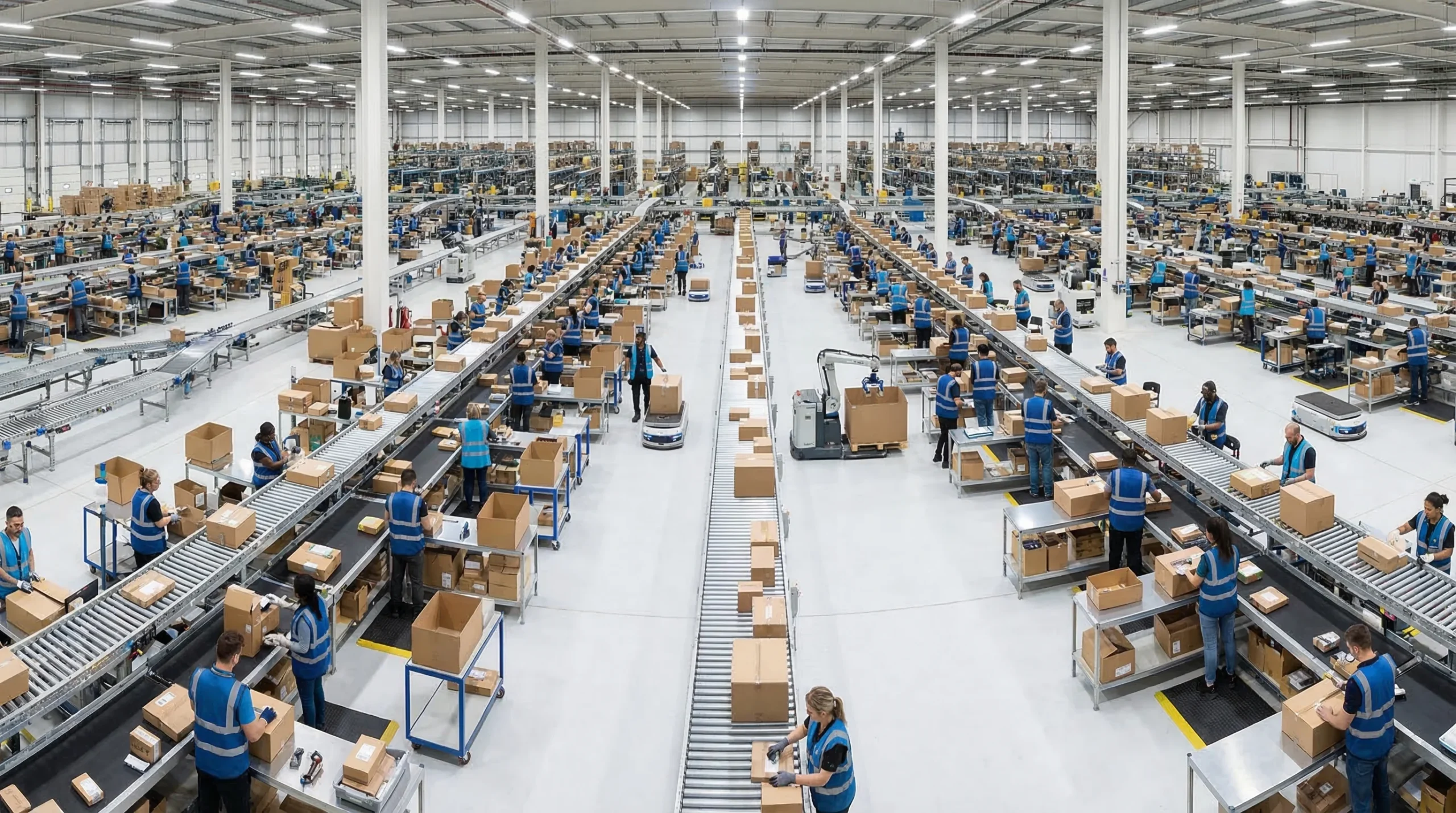
How Does AI Help Manufacturing Supply Chains?
Manufacturing presents different challenges. Raw material shortages can halt production lines, but carrying excess components ties up working capital and warehouse space. Demand for finished goods fluctuates based on customer orders, economic conditions, and competitive dynamics.
AI tools for inventory management help manufacturers balance these competing pressures. The system might identify that certain components have long lead times from suppliers prone to delays, recommending higher safety stock levels for those specific items while keeping leaner inventories of readily available materials.
Production planners gain visibility into how current inventory positions affect manufacturing schedules weeks or months out. When the AI detects potential shortages, planners can adjust orders or production sequences before problems materialize.
As Forbes has reported, manufacturers increasingly view AI as essential for managing supply chain complexity in volatile market conditions.
What’s Next for AI in Inventory Management?
The technology continues evolving rapidly. Businesses implementing AI inventory management software today should understand where the technology is heading to make forward-compatible decisions.
What Emerging Technologies Will Shape the Future?
Several developments are expanding what AI-powered systems can accomplish:
Internet of Things integration – Connected sensors throughout supply chains provide real-time data on inventory location, condition, and movement. AI algorithms can process this continuous stream of information to maintain accurate counts and identify issues immediately.
Computer vision advances – Cameras combined with image recognition can automate inventory counts, verify shipments, and monitor warehouse conditions without manual intervention.
Natural language interfaces – Instead of navigating complex dashboards, users can ask questions in plain language: “Why did we run out of this item last week?” or “What should I order to cover the holiday rush?”
Edge computing – Processing data locally rather than sending everything to the cloud enables faster responses and continued operation even during network outages.
How Will Industry Practices Shift?
Looking ahead, inventory management will likely become increasingly autonomous. AI systems will handle routine decisions without human review, escalating only unusual situations that require judgment.
Supply chains will become more responsive as AI enables real-time adjustments to changing conditions. Rather than updating forecasts monthly or weekly, systems will continuously refine predictions and recommendations.
Collaboration between supply chain partners will deepen as AI systems from different companies exchange data and coordinate activities. A retailer’s inventory system might communicate directly with a supplier’s production planning AI to synchronize demand and supply more tightly.
Businesses that adopt AI inventory management software now position themselves to take advantage of these advances. Those still relying on manual processes or basic automated systems will find the capability gap widening.
Taking the Next Step With AI Inventory Management
AI-powered inventory management represents a fundamental shift in how businesses handle one of their most significant assets. The technology has matured beyond experimental pilots to deliver measurable benefits for companies across retail, manufacturing, distribution, and logistics.
The questions aren’t whether AI can improve inventory management – that’s been demonstrated repeatedly – but how to implement it effectively in your specific operation. Factors like data quality, system integration, and organizational readiness all influence outcomes.
Starting with a clear assessment of your current inventory challenges helps identify where AI tools for inventory management can have the greatest impact. Whether your biggest pain points involve forecast accuracy, stockouts, excess inventory, or manual process inefficiencies, targeted solutions exist.
Ready to explore how AI can transform your inventory operations? Contact the Logimax team to schedule a personalized demo and see these capabilities in action. You can also learn more about comprehensive warehouse management solutions that integrate AI-powered intelligence throughout your operation.
The businesses that thrive in coming years will be those that embrace AI’s potential while thoughtfully managing implementation. Your competitors are already exploring these technologies – the question is whether you’ll lead the transition or follow it.
Frequently Asked Questions
How does AI inventory management software work?
AI inventory management software uses machine learning algorithms to analyze data patterns for inventory optimization. Unlike traditional systems, AI can process multiple variables simultaneously, such as sales trends, promotional calendars, and weather forecasts. This enables businesses to predict demand more accurately and adjust stock levels in real-time. By doing so, companies can reduce overstock and stockouts, ensuring efficient inventory management.
What are the benefits of an ai-powered inventory management system?
An AI-powered inventory management system offers enhanced demand forecasting and stock optimization. It analyzes complex data sets to predict trends and adjust inventory levels dynamically. This reduces excess stock and minimizes shortages, ensuring timely order fulfillment. Furthermore, it improves decision-making by providing actionable insights, ultimately leading to increased efficiency and cost savings for businesses.
Why are AI tools for inventory management essential?
AI tools for inventory management are essential because they enable businesses to adapt quickly to changing demand patterns. These tools use advanced algorithms to process real-time data, allowing for precise inventory control. By reducing human error and improving accuracy, AI tools enhance operational efficiency and customer satisfaction. Additionally, they help businesses stay competitive by optimizing supply chain processes.
How has inventory management evolved with AI technology?
Inventory management has evolved significantly with AI technology by moving from manual processes to intelligent automation. Initially reliant on physical counts and static rules, the introduction of AI allows for dynamic data analysis and rapid decision-making. AI systems consider multiple variables, such as market trends and external factors, to optimize inventory levels. This evolution leads to improved accuracy and responsiveness in supply chain management.
What makes AI inventory management systems better than traditional ones?
AI inventory management systems outperform traditional ones by leveraging machine learning to identify hidden data patterns. Unlike rule-based systems, AI adapts to changing conditions and provides real-time insights. This allows for more accurate demand forecasting and inventory optimization. As a result, businesses can reduce waste, avoid stockouts, and improve overall efficiency, making AI systems a superior choice for modern inventory management.