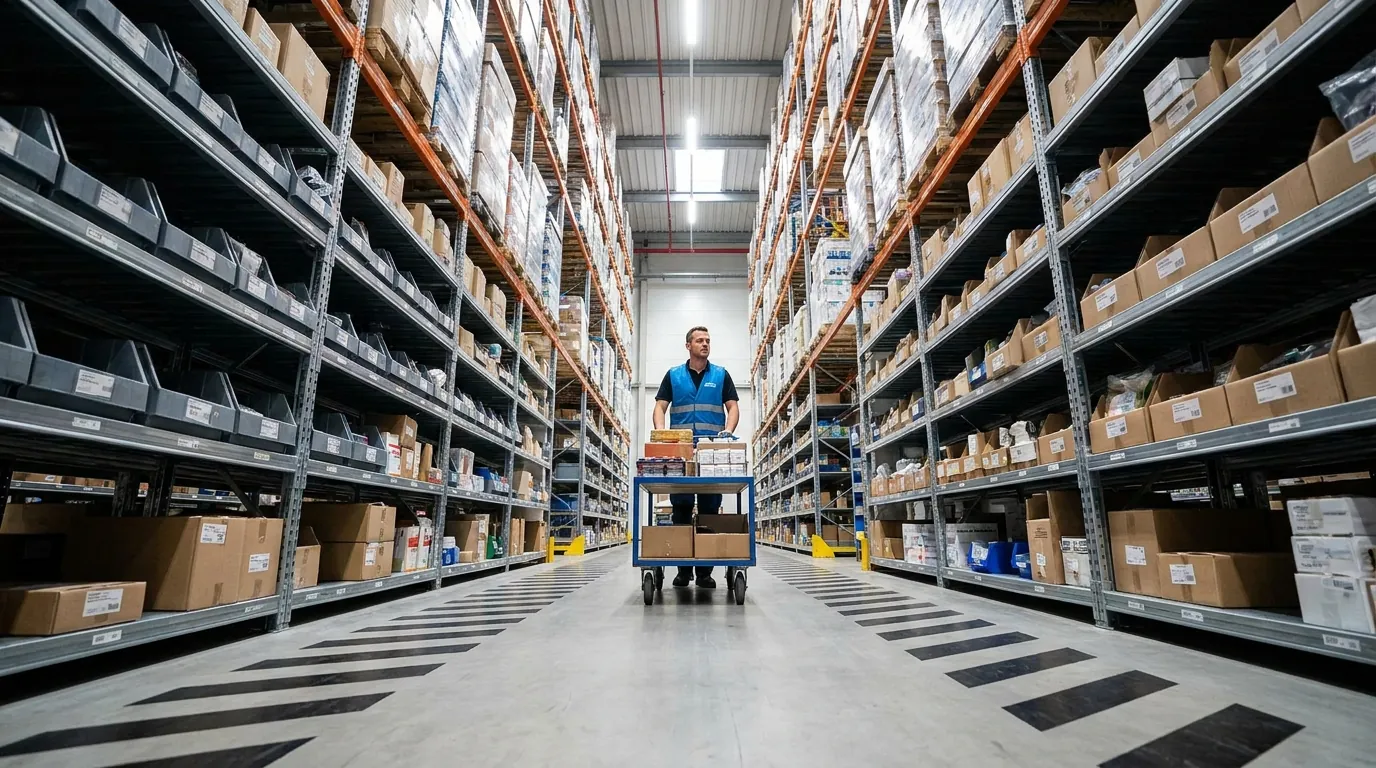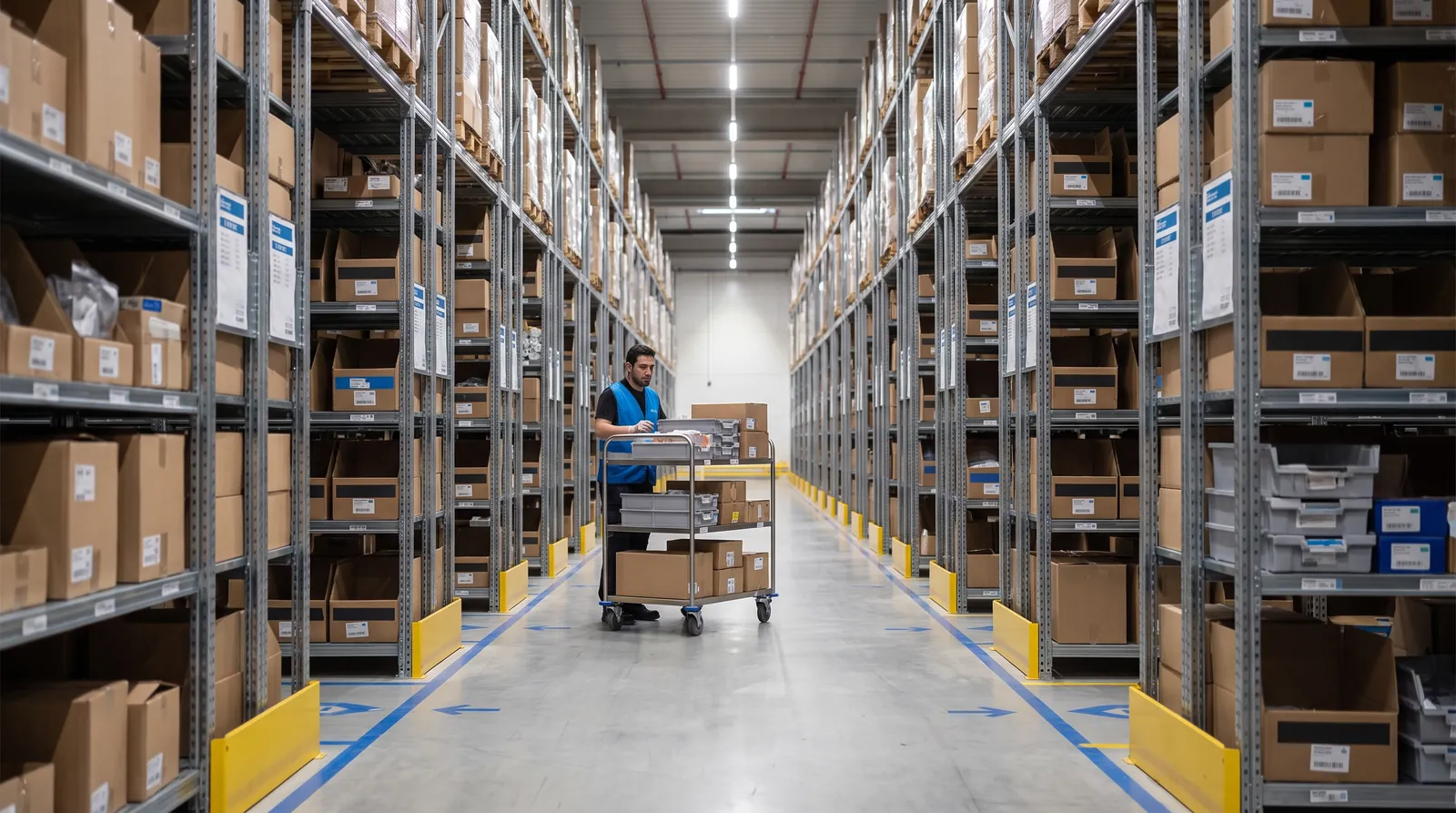

Warehouse quality control (QC) plays a crucial role in ensuring supply chain efficiency. Proper quality controlQuality ControlA systematic process of inspecting, testing, and verifying that products meet specified standards and customer requirements before they leave the warehouse.View full definition → measures help prevent issues such as damaged goods, high return rates, customer dissatisfaction, and financial losses. A well-structured QC process ensures that products are received, stored, picked, packed, and shipped with minimal errors.
Without effective QC, warehouses risk operational inefficiencies, increased costs, and damage to their reputation. In this guide, we will explore the best practices and step-by-step processes for implementing a successful warehouse quality control strategy.
Understanding Warehouse Quality Control
What is Warehouse Quality Control?
Warehouse quality control involves systematically monitoring and inspecting inventory, packaging, and fulfillment processes to ensure products meet required standards. Robust QC measures help minimize defects, improve accuracy, and enhance customer satisfaction.
Quality Control vs. Quality Assurance
While quality control focuses on identifying and resolving problems during warehouse operations, quality assurance (QA) is a proactive approach that establishes guidelines and processes to prevent defects before they occur. Both are essential for warehouse efficiency.
Key Areas of Warehouse Quality Control
- Inventory Accuracy: Ensuring stock levels match recorded data.
- Packaging Standards: Verifying that packaging meets durability and brand requirements.
- Inbound Inspections: Checking product condition upon arrival.
- Outbound Inspections: Confirming shipment quality before dispatch.
- Handling Procedures: Reducing damage during storage and transport.
Smarter Warehouse Management Starts Here
Logimax WMS delivers real-time visibility, automated workflows, and seamless ERP integration for warehouses of every size.
Request a Demo
The Warehouse Quality Control Process

Incoming Goods Inspection
All incoming shipments should be thoroughly inspected for defects, damaged packaging, and discrepancies. This ensures that only high-quality products enter the warehouse.
Storage & Handling Standards
Proper storage conditions, such as temperature control, shelving, and handling protocols, help protect inventory from damage. Optimized warehouse layouts also reduce unnecessary movement and handling errors.
Order Fulfillment Accuracy
Poor picking and packing processes can lead to incorrect shipments, increasing return rates. Implementing barcode scanners and warehouse management systems (WMS) improves accuracy.
Final Quality Checks & Audits
Before shipping, conducting quality checks ensures the right items, in the correct quantities, reach the customer. Auditing fulfillmentFulfillmentThe complete process of receiving, processing, and delivering customer orders from initial placement through final delivery.View full definition → operations periodically helps identify potential improvements.
Returns & Defect Management
An effective returns process identifies the root causes of returns and prevents recurring issues. Tracking defect rates helps businesses optimize sourcing and handling strategies.
Best Practices for Effective Warehouse Quality Control

Develop Standard Operating Procedures (SOPs)
Clearly defined SOPs ensure consistency across all warehouse processes. These should include guidelines on inspections, packaging, product handling, and employee responsibilities.
Leverage Technology
Implementing WMS, barcode scanners, and automated quality checks enhances precision and reduces human error. Advanced QC tools like RFID tracking can further improve inventory visibility.
Train Employees Regularly
Quality control is a team effort. Training employees on quality standards, proper handling techniques, and error prevention is key to reducing defects.
Implement Quality Metrics & KPIs
Tracking performance metrics such as order accuracy rates, defect percentage, and customer complaint trends helps warehouses continuously improve their QC strategies.
Conduct Regular Audits & Continuous Improvement
Periodic audits help identify inefficiencies and areas for improvement. Encouraging a culture of continuous improvement ensures QC processes evolve with operational needs.
How to Implement Quality Control in Your Warehouse
Step 1: Assess Current QC Procedures
Analyze existing quality control procedures to identify gaps. Review error reports, defect rates, and customer complaints for insights.
Step 2: Define Quality Standards & Goals
Establish clear quality standards aligned with industry regulations and customer expectations. Consider factors such as defect tolerances and acceptable damage rates.
Step 3: Invest in the Right Technology & Tools
Integrating WMS, barcode scanners, RFIDRFIDA wireless technology that uses radio waves to automatically identify and track tags attached to objects, eliminating the need for direct line-of-sight scanning.View full definition → tracking (for larger operations), and automated inspection tools enhances quality control efficiency and accuracy.
Step 4: Train and Engage Employees
Employee involvement is crucial to maintaining high-quality standards. Conduct regular training sessions and incentivize adherence to QC protocols.
Step 5: Monitor, Analyze, and Improve Continuously
Establish performance tracking systems to measure key KPIs. Utilize this data to refine processes and address recurring QC challenges.
How Logimax Enhances Warehouse Quality Control
Logimax’s warehouse management system (WMS) provides the tools needed to implement and maintain a robust quality control (QC) process. With real-time inventory tracking, automated inspectionInspectionA systematic quality control process where incoming goods, stored inventory, or outbound shipments are examined to verify their condition, quantity, and compliance with specified standards before proceeding to the next stage in the warehouse workflow.View full definition → workflows, and seamless barcode scanning integration, Logimax helps warehouses reduce errors, improve accuracy, and enhance overall efficiency.
Key benefits of Logimax WMS for QC include:✅ Inbound & Outbound Inspection Tools – Ensure product quality at every stage.✅ Inventory AccuracyInventory AccuracyThe degree to which the inventory quantity and location records within an inventory management system match the physical inventory in a warehouse.View full definition → Features – Minimize discrepancies with real-time stock visibility.✅ Error Reduction Through Automation – Eliminate manual mistakes with barcode-driven processes.✅ Customizable QC Workflows – Adapt inspections and audits to your unique warehouse needs.
With Logimax WMS, warehouses can enforce quality standards, lower return rates, and optimize operations—ensuring that customers receive the right products, in the right condition, every time.
Conclusion
Strong warehouse quality control is critical for reducing errors, minimizing returns, and improving overall efficiency. By implementing structured QC processes, leveraging technology, and fostering a culture of continuous improvement, warehouses can significantly enhance their operations.
Investing in quality control leads to fewer defects, better customer experiences, and long-term cost savings. Take proactive steps today to strengthen your warehouse quality control strategy and optimize your supply chain performance.
Ready to strengthen your warehouse quality control? Contact Logimax today to see how our WMS can help you reduce errors, improve accuracy, and streamline operations.
Frequently Asked Questions
How often should warehouse quality control audits be conducted?
Quality control audits should typically be conducted monthly or quarterly, depending on warehouse size and volume. High-volume operations may benefit from monthly audits, while smaller warehouses can perform comprehensive quarterly reviews. However, daily spot checks and weekly process reviews should supplement formal audits to maintain consistent quality standards and quickly identify emerging issues.
What is the average cost of implementing warehouse quality control systems?
Implementation costs vary significantly based on warehouse size, technology requirements, and existing infrastructure. Small warehouses might invest $10,000-$50,000 for basic QC systems including barcode scanners and training. Larger operations requiring WMS integration, RFID tracking, and automated inspection tools could invest $100,000-$500,000. However, these investments typically pay for themselves within 12-18 months through reduced errors and returns.
Which quality control metrics are most important to track first?
Start with order accuracy rate, which measures correct items shipped versus total orders. This directly impacts customer satisfaction and return costs. Next, track inventory accuracy percentage and defect rate per thousand units processed. These three core metrics provide immediate insights into QC effectiveness and help identify the biggest problem areas requiring attention in your warehouse operations.
How can small warehouses implement quality control without major technology investments?
Small warehouses can start with manual inspection checklists, standardized receiving and shipping procedures, and basic barcode scanning systems. Implement clear SOPs for each process stage, conduct daily visual inspections, and maintain simple spreadsheet tracking for defects and accuracy rates. Focus on employee training and consistent processes before investing in advanced technology solutions.
What should be done when quality control standards consistently fail?
First, conduct a root cause analysis to identify whether failures stem from processes, training, equipment, or supplier issues. Review and revise SOPs if procedures are unclear or inadequate. Increase employee training frequency and consider additional supervision during critical processes. If problems persist, evaluate whether quality standards are realistic and achievable, then implement corrective action plans with specific timelines and accountability measures.