
Cross-Docking
A logistics strategy where incoming goods bypass traditional storage and are immediately transferred to outbound transportation for direct shipment to customers or retail locations.
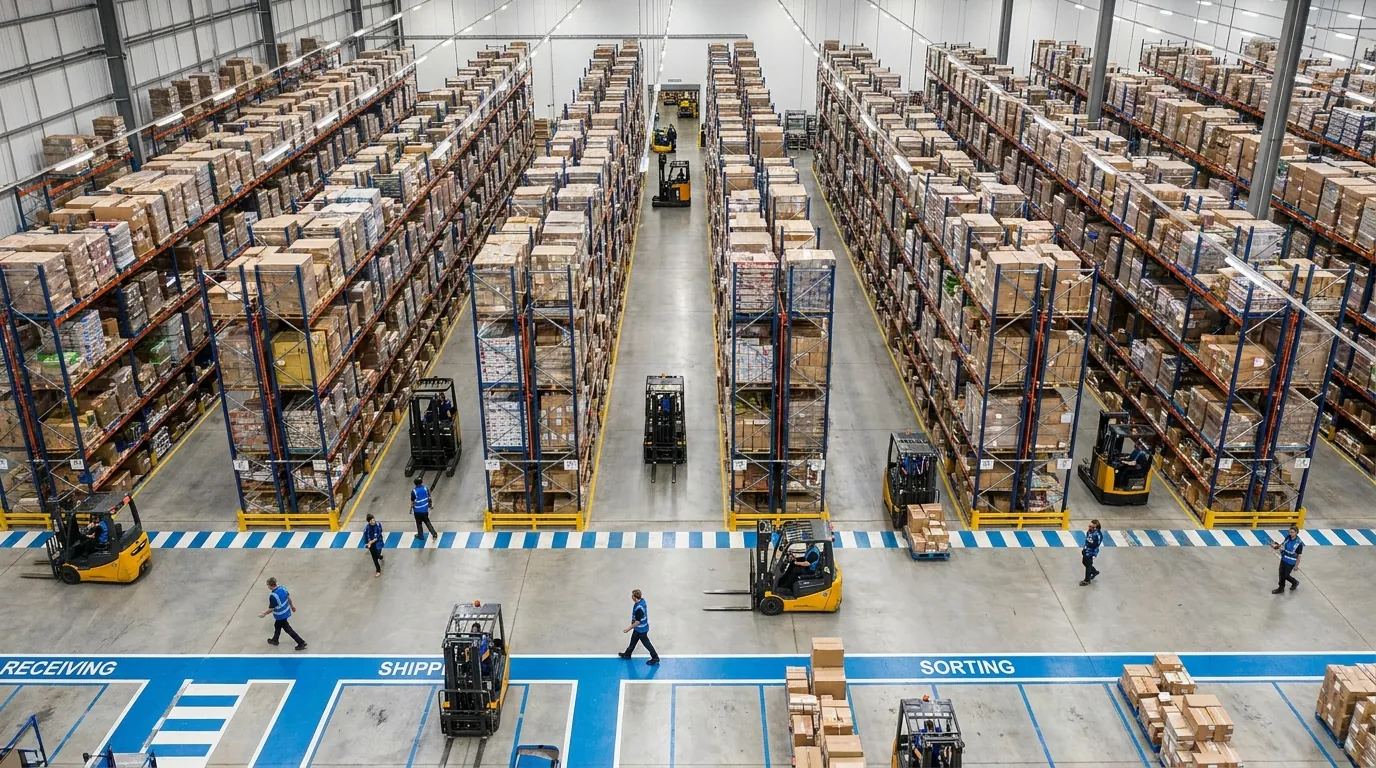
A logistics strategy where incoming goods bypass traditional storage and are immediately transferred to outbound transportation for direct shipment to customers or retail locations. Products are received, sorted, and loaded onto outbound trucks within 24-48 hours, minimizing handling and storage time.
This approach significantly reduces inventory holding costs, warehouse space requirements, and product damage from excessive handling. Cross-docking is particularly valuable for perishable goods, high-velocity items, and time-sensitive deliveries where speed-to-market is critical. It also enables better demand responsiveness and reduces the bullwhip effect in supply chains.
For example, a grocery distributor might receive fresh produce from multiple farms in the morning, sort products by retail destination, and ship consolidated orders to individual stores the same day. Effective cross-docking requires precise coordination between inbound and outbound schedules, robust WMS capabilities for real-time inventory tracking, and strong supplier relationships to ensure reliable delivery timing.
Related Terms
From the Blog

See Logimax WMS in Action
Request a personalized demo to see how Logimax handles the terminology in practice.
Request a Demo