A standardized, reusable metal shipping unit designed to transport goods efficiently across multiple modes of transportation including ships, trucks, and trains. These rectangular boxes come in standard sizes, typically 20-foot or 40-foot lengths, enabling seamless intermodal logistics without repackaging cargo.
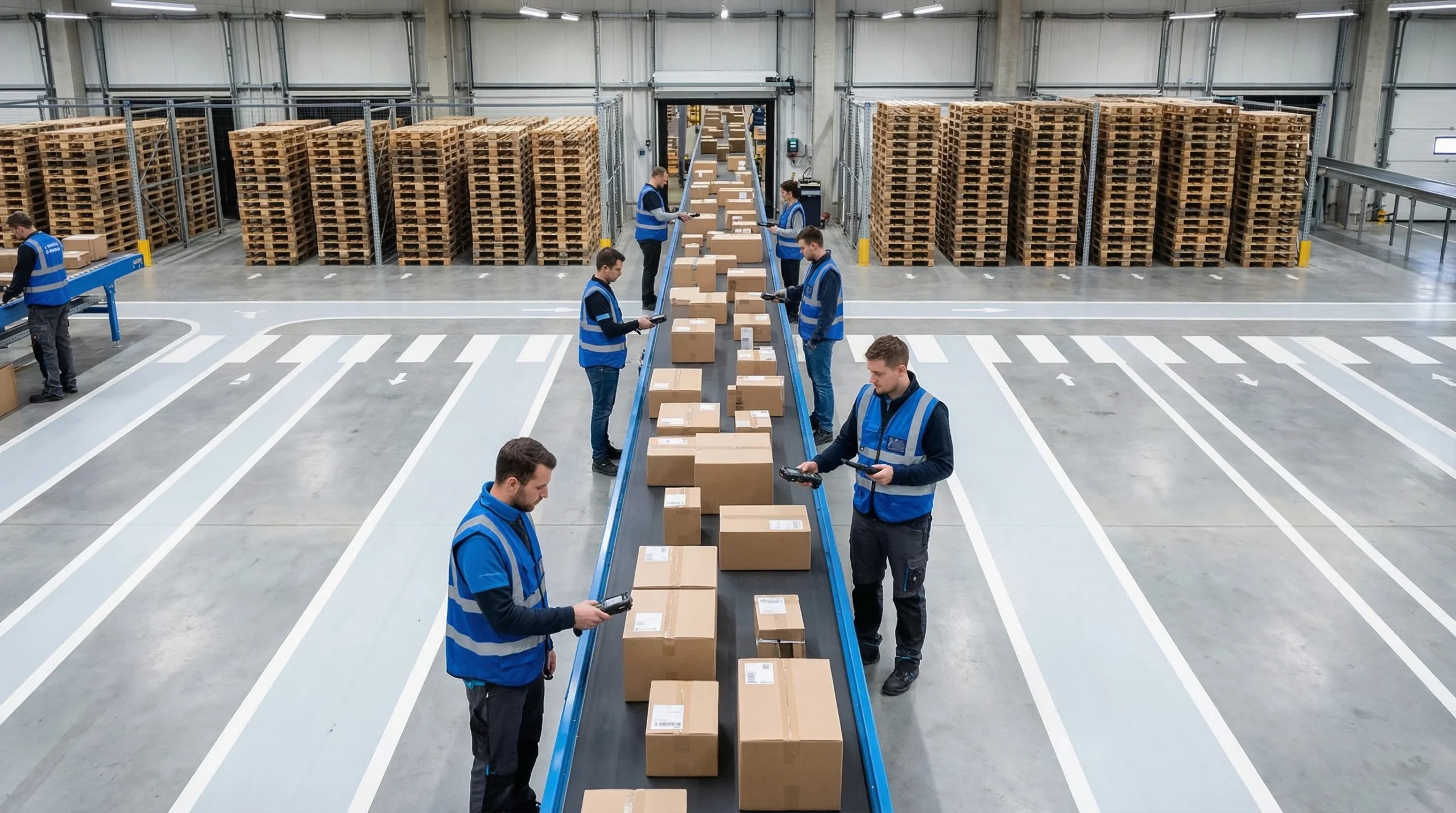
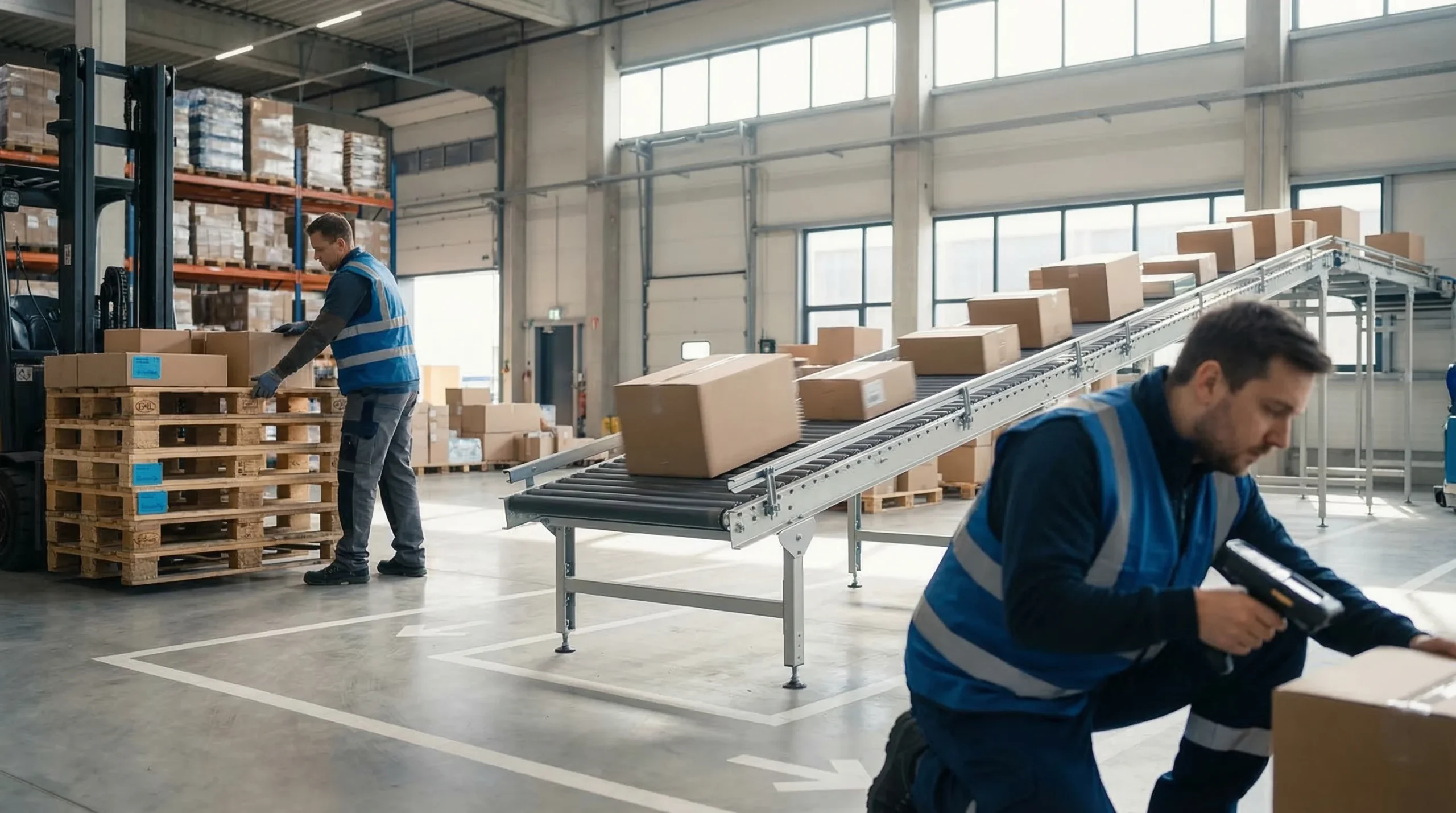
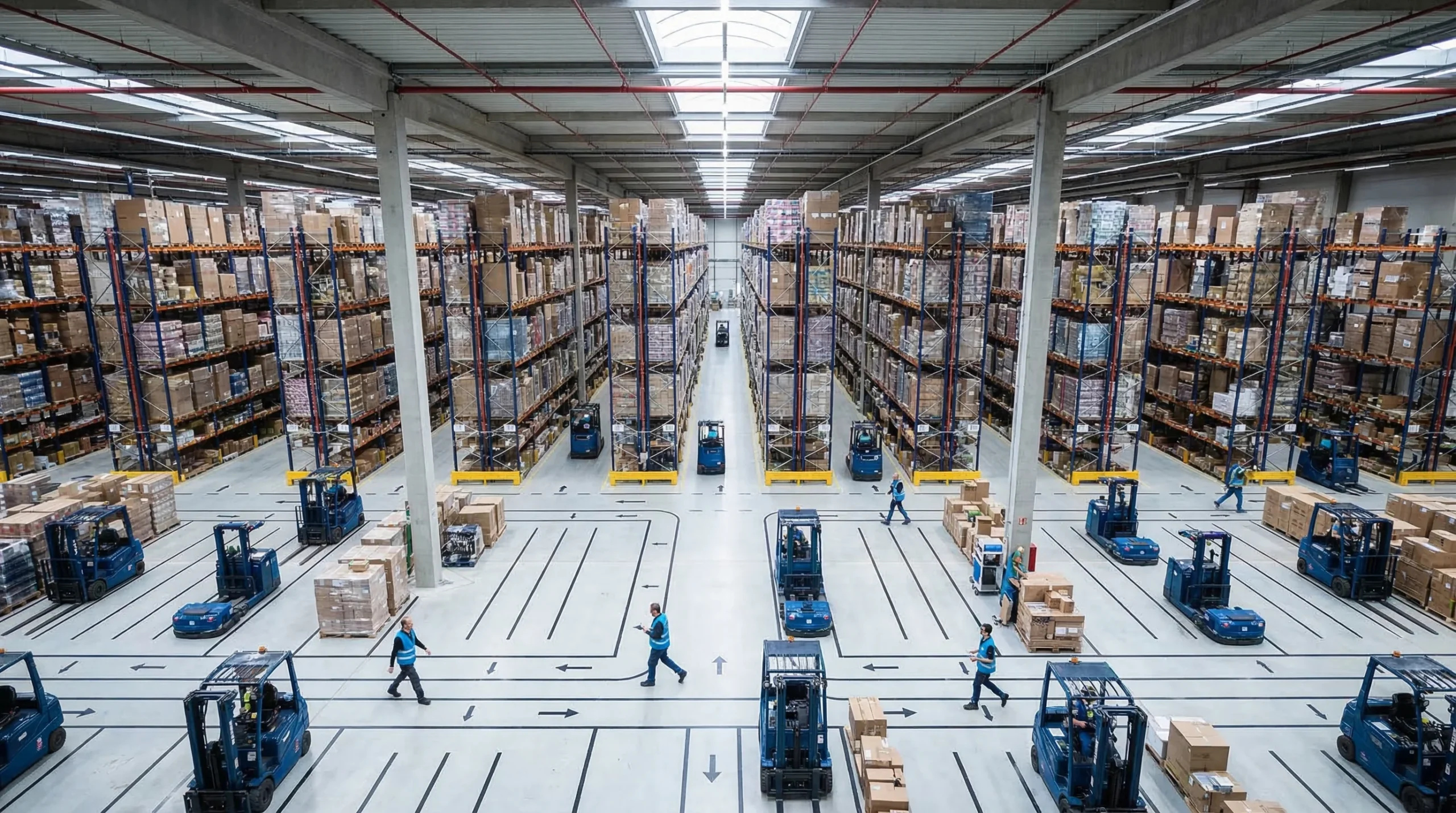
In warehouse operations, containers serve as critical staging and storage units that streamline receiving, inventory management, and shipping processes. Modern WMS solutions track container movements, monitor dwell times, and optimize yard space allocation to prevent bottlenecks. The standardized dimensions allow warehouses to plan storage layouts, calculate capacity, and coordinate equipment like forklifts and cranes.
For example, when a container arrives at a distribution center, the WMS automatically assigns it a yard location, schedules unloading based on priority and available dock doors, and tracks the time from arrival to processing. This containerization enables global supply chains to operate with predictable timing and reduced handling costs while maintaining cargo security throughout the transportation network.