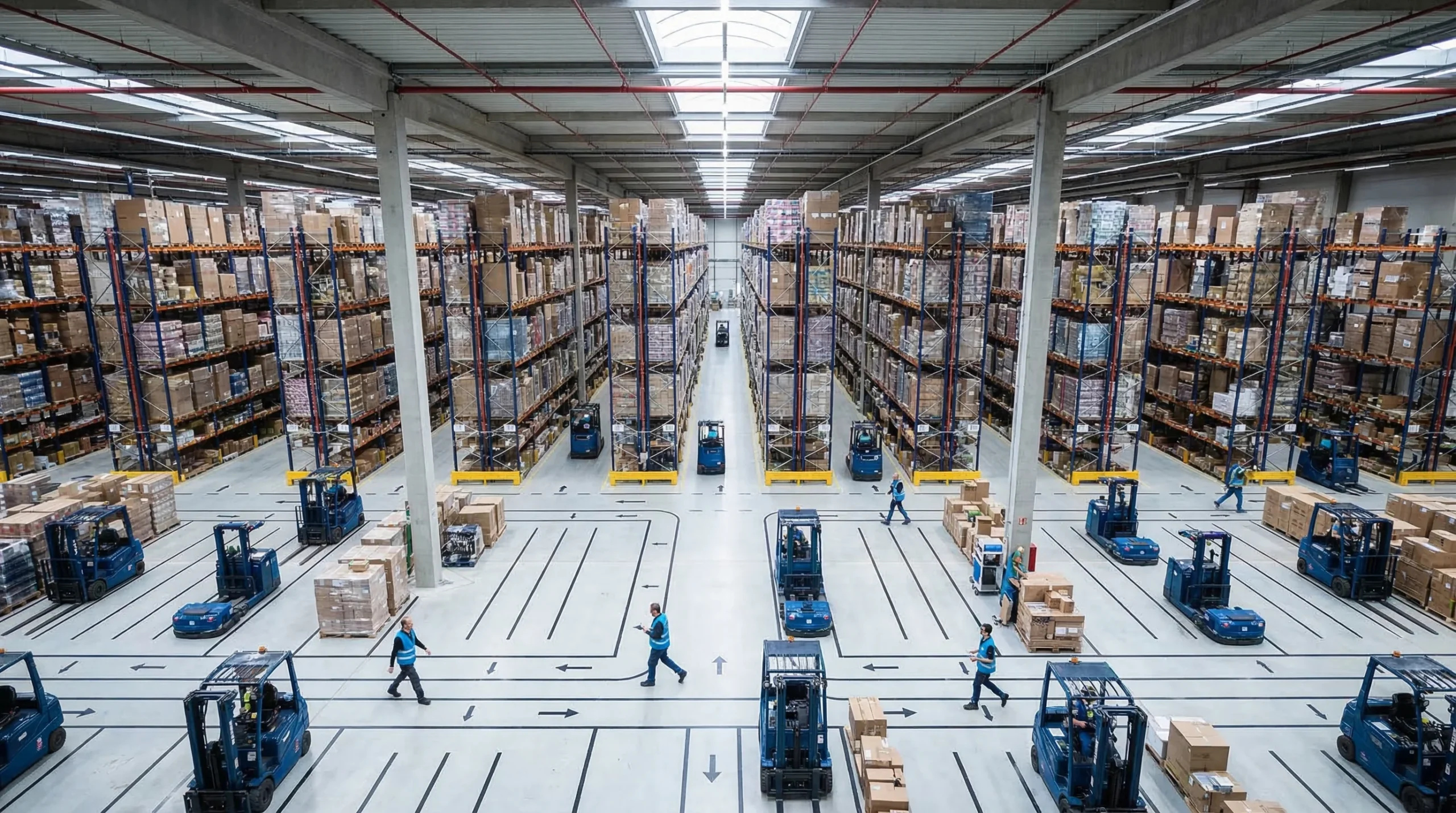
An inventory management technique where the first items added to inventory are the first ones to be removed, ensuring older stock moves before newer arrivals. This systematic rotation method prevents inventory from aging in storage and reduces the risk of obsolescence, spoilage, or deterioration.
FIFO is particularly critical for warehouses handling perishable goods like food, pharmaceuticals, or chemicals with expiration dates, but it’s also valuable for any products susceptible to degradation over time. The method helps maintain product quality, minimize waste, and ensure compliance with regulatory requirements.
For example, in a food distribution center, FIFO ensures that milk received on Monday ships before milk received on Tuesday, preventing spoilage and customer complaints. Modern warehouse management systems automate FIFO compliance by directing pickers to specific locations based on receipt dates, eliminating guesswork and human error while maintaining optimal inventory freshness and reducing carrying costs.