

Everywhere you turn today, you hear about ‘the cloud’ and how it can help you efficiently organize your business and personal life. From storing photos to running software, it is hard to escape the term itself, let alone operating in the cloud in some form.
In a market full of software options for supply chain management, it can be hard to find the right types of warehouse management system software (WMS) for your warehouse or 3PL. However, cloud-based warehouse software solutions have some notable advantages for inventory management that make them worth considering for your business.
In this blog post, we’ll explore some of the top benefits of implementing cloud-based WMS supply chain software into your company’s operations.
What is Cloud-Based WMS?
Cloud-based WMS is a warehouse management systemWarehouse Management SystemA software application that supports day-to-day warehouse operations by providing centralized management of tasks such as tracking inventory levels, stock locations, and movement of goods throughout the facility.View full definition → software solution that utilizes various online technologies such as virtualization and distributed computing to provide users with an easy, secure, and reliable way to access web-based services for inventory, order, and logistics management. Cloud WMS eliminates the need for local physical hardware or software that traditional WMS systems require.
Smarter Warehouse Management Starts Here
Logimax WMS delivers real-time visibility, automated workflows, and seamless ERP integration for warehouses of every size.
Request a Demo
How Does Cloud-Based Software Work?

Cloud-based hosting works by providing an organization with access to online computing resources while saving money on in-house capital investments. This type of hosting makes use of off-site infrastructures such as computers, storage devices, and other services hosted in the cloud, instead of relying on local hardware, software, and dedicated IT personnel.
Breaking Down Cloud-Based WMS Software Solutions
Most often, when warehouses or manufacturers think of a cloud-based warehouse management system software solution, they think of Software As A Service (SaaS) WMS. SaaS operates solely online, over a public connection with a subscription to the software provider’s service.
There are other cloud-based warehouse management systems than SaaS, however. Warehouse operation managers also have the option of utilizing a WMS system through a privately-hosted secured server for inventory tracking and storage rather than on the ‘public internet’.
Rather than running WMS applications on-premises, this warehouse order management solution eliminates the need for on-site IT department and server management. Instead, it only requires secure online access with multi-factor login authorization for real-time visibility and inventory management while offering the best system flexibility and scalability in the cloud.
Benefits of a Cloud Warehouse Management Software Solution
The key benefit of cloud hosting is the ability to deploy a scalable WMS solution. Not only does this provide a warehouse or 3PL with greater flexibility, but it also allows the ability to securely manage inventory for multiple warehouses or just one! It pretty much comes down to deployment, cost, and security.
There are certain deployment methods that you will want to compare for your mission-critical supply chain software solution. It’s important to closely consider your warehouse’s required features, how much experience the software vendor has in your industry, and future benefits that the provider can offer.
6 Benefits Cloud-Based Warehouse Management System Software Scalability
1. It strengthens the supply chain.
Remember the whole supply chain catastrophe of 2020 and 2021? Who could forget it? During that time, many logisticsLogisticsThe comprehensive management of the flow of goods, information, and resources from the point of origin to the point of consumption, encompassing planning, implementation, and control of efficient movement and storage.View full definition → and distribution companies either did not have an inventory control software solution or had subpar order management tracking. This means that they did not have access to real-time data for tracking inventory, receiving, forecasting, or shipping. Oh, and what a mess it did create!
While nobody could have ever imagined how a worldwide pandemic would have crippled the supply chain, those that utilized warehouse management software with access to real-time data and reporting tools had the upper hand on those supply chain companies that did not.
2. Data protection and security are better.
If your traditional WMS is hosted on a public internet network, it is an easy target for cyber-attacks or shutdowns due to hackers. With cloud-based WMS, your data is housed in a safe environment, stored on a secure server, and managed by a third-party provider that has more resources available to manage and thwart possible attacks.
Cloud WMS software also provides customer, supplier, and warehouse data that is stored remotely rather than at your facility. Systems are typically backed up regularly for quick recovery should there be a system failure or outage. It is also safe from physical damage and unauthorized access through the use of firewalls and antivirus protection to further safeguard users and company operations. This provides your warehouse or 3PL with an additional layer of security and peace of mind.
3. The initial investment is less.
In terms of cost, a cloud-based WMS system eliminates the need for expending capital or money upfront for hardware and a dedicated IT team since the provider takes care of these expenses directly. This allows businesses to save money while still having access to the same quality of service they would receive with a traditional server setup.
Cloud WMS also gives you more control over your warehouse management system software pricing. A cloud-based WMS offers your business a financially flexible solution allowing you to scale up or down as needed without having to purchase additional software. This helps your warehouse reduce costs and get more bang for your buck.
4. Integration with customer and supplier data is easier.
Cloud-based WMS provides a way to easily integrate your warehouse management systems with customer and supplier data. This allows you to quickly access their information when needed, or even provide real-time information regarding specific third-party logistics or warehouse operations like tracking.
For example, if a customer needs to know what’s in stock, what’s arriving soon, what’s in transit, and what’s on backorder, you can easily retrieve this information with a cloud-based WMS. This data can also be shared with customers or suppliers as needed.
5. It is easy to use, integrate, and manage.
Seamless integration is a key advantage to hosting your warehouse management software in the cloud since there is no need for new or upgraded hardware. The online interface makes it easier for your warehouse staff to work efficiently and productively after proper training. By accessing the WMS software remotely, they can have the best supply chain and inventory tracking right at their fingertips!
Cloud WMS also allows for easy integration with other programs, such as an enterprise resource planning (ERP) solution or client/supplier systems, which can help streamline warehouse operations. This makes it easier for your staff to obtain real-time inventory tracking information, receive and ship orders, and update clients for increased customer satisfaction.
6. It is scalable.
Ultimately, a cloud-based system provides warehouses and 3PLs with a great deal of flexibility when it comes to their supply chain management needs. Clients can change their resource usage when using cloud-based systems, allowing them better inventory control when they need to quickly respond to changing market demands.
Users have access to an array of features that enable them to scale up or down based on their specific requirements at any given time. With this type of platform, businesses can ensure their operations remain reliable and secure while reducing operational costs significantly compared to other solutions in the market today.
Plus, WMS providers can also easily supply users with the latest versions of applications and software updates without incurring additional costs.
How Do Cloud-Based and Traditional WMS Compare Head-to-Head?
Making an informed decision requires understanding exactly how these two approaches differ. The comparison reveals clear patterns that help determine which fits your situation.
What Does the Cost Comparison Really Show?
Traditional on-premise systems typically require substantial initial investment ranging from tens of thousands to hundreds of thousands of dollars depending on scale. This covers hardware, software licenses, installation, customization, and training. Additional costs for maintenance contracts, periodic upgrades, and IT support continue throughout the system’s lifespan.

Cloud-based systems operate on subscription pricing, often calculated per user per month or based on transaction volume. While the monthly fees add up over time, the model offers several advantages:
- Lower barrier to entry for smaller operations
- Predictable expenses that simplify financial planning
- No surprise costs for hardware failures or emergency repairs
- Easier to adjust spending as business needs change
The total cost of ownership over a five-year period often favors cloud solutions, especially when factoring in IT staff time, electricity for on-site servers, and the opportunity cost of capital tied up in depreciating equipment.
Which Approach Delivers Better Performance and Reliability?
Performance comparisons require honest assessment of what each approach actually delivers in practice.
Traditional systems can offer excellent performance when properly maintained and appropriately sized for the workload. However, performance degrades over time as data accumulates and hardware ages. Maintaining peak performance requires ongoing investment and technical expertise.
Cloud platforms benefit from enterprise-grade infrastructure that most individual businesses couldn’t afford independently. Major cloud providers operate data centers with redundant power, cooling, and network connections. They employ dedicated security teams and maintain compliance with industry standards.
According to Logistics Management, uptime guarantees from leading cloud WMS providers typically exceed 99.9%, translating to less than nine hours of unplanned downtime annually. Most on-premise installations struggle to match these numbers.
The reliability question also involves disaster recovery. Cloud systems automatically backup data to geographically distributed locations. If a natural disaster affects one data center, operations continue from another. Achieving similar protection with on-premise systems requires significant additional investment in backup infrastructure.
What Do Real-World Implementations Look Like?
Theory matters less than practical results. Examining how cloud WMS implementations typically unfold helps set realistic expectations.
Consider a mid-sized distributor handling several thousand SKUs across two warehouse locations. Before cloud adoption, each location ran its own system with nightly data synchronization. Inventory transfers between buildings required manual paperwork, and customers couldn’t see combined stock availability. Order fulfillment errors ran above industry averages, and the company struggled to staff adequately during peak periods because training new workers took weeks.
After implementing a cloud-based system, several improvements emerged within the first quarter. Real-time inventory visibility across both locations allowed customer service to fulfill orders from either building based on stock availability and shipping costs. Mobile devices replaced paper pick lists, and new workers became productive within days rather than weeks. Error rates dropped as the system guided workers through standardized processes.
A different scenario involves a growing e-commerce operation that started with spreadsheet-based inventory tracking. As order volume increased, mistakes multiplied and customer complaints spiked. The company needed a professional WMS but couldn’t justify the capital investment or IT headcount required for an on-premise system.
A cloud solution allowed them to implement enterprise-grade warehouse management with minimal upfront cost. The subscription model fit their cash flow, and automatic updates meant they always accessed the latest features without internal IT resources. As order volume grew, they simply added capacity without hardware purchases.
How Do You Know If Cloud WMS Is Right for Your Operation?
Several indicators suggest a warehouse would benefit from transitioning to cloud-based management:
- Growing pains with current systems – If your existing software can’t keep up with order volume or inventory complexity, cloud solutions offer a scalable alternative
- Multiple locations or remote teams – Cloud platforms excel at connecting distributed operations under unified management
- Limited IT resources – Organizations without dedicated technical staff benefit from provider-managed infrastructure
- Seasonal demand fluctuations – The ability to scale capacity up and down matches variable workloads cost-effectively
- Integration requirements – Modern cloud systems typically connect more easily with other business applications
- Capital constraints – Subscription pricing avoids large upfront investments
- Compliance requirements – Provider certifications can help meet regulatory obligations
Conversely, some situations might favor traditional approaches. Extremely high-security environments with strict data residency requirements, operations in areas with unreliable internet connectivity, or organizations with substantial existing investment in on-premise infrastructure might find compelling reasons to maintain their current approach.
Ensuring Accessibility with Cloud-Based WMS
Universal Access and Real-Time Data:
In the dynamic world of warehouse management, having real-time access to data is not just a benefit; it’s a necessity for staying competitive. Cloud-based WMS like Logimax offer this crucial advantage. Whether you’re overseeing operations remotely or need to make quick decisions on the go, these systems ensure that the most up-to-date information is at your fingertips. This level of accessibility empowers teams to respond rapidly to changes, manage inventory more effectively, and maintain a clear overview of the entire supply chain.
Seamless Integration with E-commerce and Other Platforms:
Today’s warehouses aren’t just physical spaces; they’re important nodes in a complex web of digital interactions. A cloud-based WMS seamlessly integrates with various e-commerce platforms and business systems, bridging the gap between physical inventory management and digital commerce. This integration streamlines processes, from order fulfillment to customer service, ensuring a smooth flow of operations and enhanced customer satisfaction.
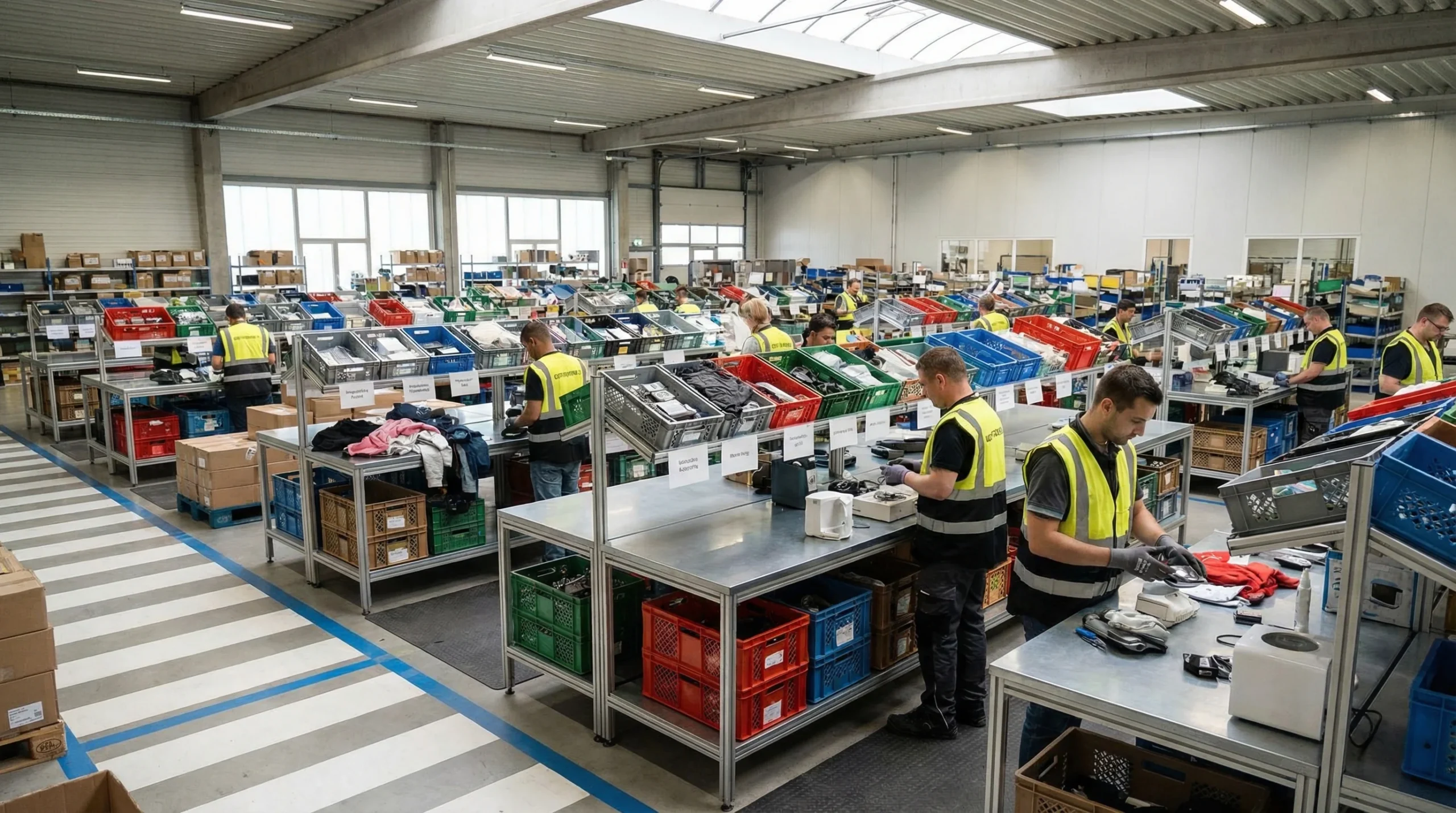
Optimizing Warehouse Space and Workflow:
Efficient use of space and optimized workflows are critical in warehouse management. Cloud-based systems offer intelligent tools for layout planning and inventory slotting, making the most of your available space and resources. By optimizing these aspects, warehouses can achieve greater efficiency, reduce operational costs, and enhance overall productivity.
Fortifying Security in Cloud-Based WMS
Robust Data Protection:
In an era where data breaches are increasingly common, securing sensitive information is paramount. Cloud-based warehouse management systems provide robust data protection with advanced encryption and secure data transfer protocols. By entrusting your data to a system that prioritizes security, you safeguard not only your operational details but also the sensitive information of your clients and suppliers.
Compliance with Industry Standards:
Adhering to industry standards and regulations is a non-negotiable aspect of warehouse management. Cloud-based WMS are designed with compliance in mind, ensuring that your operations meet the necessary legal and ethical standards. This compliance is not just about following rules; it’s about upholding a commitment to quality and trust in your business practices.
Continuous Monitoring and Updates:
The digital landscape is ever-changing, and so are the threats that come with it. Cloud-based WMS offer the advantage of continuous monitoring and regular updates, ensuring that your system stays ahead of potential security threats. This proactive approach to security means that you can focus on your core business operations, knowing that your WMS is always up to date with the latest security measures.
Future Trends in Cloud-Based WMS
As we look to the future, the landscape of warehouse management systems is poised for even more innovative advancements. Here are some trends we anticipate will shape the future of cloud-based WMS:
- **Increased Integration with IoT and AI: **The integration of cloud-based WMS with IoT devices and AI technology will further enhance real-time data collection and analysis, leading to even more efficient and intelligent warehouse operations.
- Enhanced Customization and Flexibility: Future cloud-based WMS will offer even greater customization options, allowing warehouses to tailor the software to their specific needs and workflows.
- **Sustainability Focus: **As sustainability becomes increasingly important, cloud-based WMS will play a crucial role in enabling more environmentally friendly warehouse operations through optimized resource utilization and waste reduction.
These trends not only signify technological advancements but also reflect a deeper understanding of the evolving needs of the warehouse industry.
Logimax Is Your Solution for Cloud-Based Warehouse Management
Logimax is proud to have continually provided our customers with the most reliable, market-ready, and affordable cloud WMS solution since 1995, covering a spectrum of industry types, both single and multi-warehouse.
Logimax reaps the rewards of IBM research and development’s continual $1 billion a year financial investment in IBM i servers. Plus, with an expert team of professionals from planning to support, Logimax works with warehouses and 3PLs to operate more efficiently with scalable software that is easy to use and simple to implement.
In the end, utilizing a cloud-based warehouse management system is a great choice when it comes to warehouse management tracking and data storage solutions. For more details on how Logimax can assist your distribution center with your cloud-based system for WMS and more, contact us today!
Frequently Asked Questions
How much does cloud-based WMS typically cost compared to on-premise systems?
Cloud-based WMS typically costs significantly less upfront since there’s no need for expensive hardware purchases or dedicated IT staff. Instead of large capital investments, you pay subscription fees that can scale with your business needs. The exact savings vary by provider and features, but most businesses see 30-50% lower total cost of ownership over 3-5 years compared to traditional on-premise solutions.
What happens to my data if the cloud WMS provider goes out of business?
Reputable cloud WMS providers have data portability clauses in their contracts that guarantee you can export your data if they cease operations. Most providers also maintain data backups and offer migration assistance to alternative solutions. Before selecting a provider, review their business continuity plans, financial stability, and data export capabilities to ensure your warehouse operations remain protected.
Can cloud WMS work without reliable internet connectivity?
Cloud WMS requires internet connectivity to function properly since all data and processing occur online. However, many modern cloud WMS solutions offer offline capabilities for critical functions like picking and receiving, which sync automatically when connectivity resumes. For warehouses with unreliable internet, consider backup connectivity options or hybrid solutions that maintain some local functionality during outages.
How long does it take to implement cloud WMS in an existing warehouse?
Cloud WMS implementation typically takes 4-12 weeks depending on warehouse complexity, data migration requirements, and customization needs. The process includes data migration, system configuration, staff training, and testing phases. Cloud solutions generally implement faster than on-premise systems since there’s no hardware installation required. Smaller warehouses with standard processes can often go live in 4-6 weeks.
Is cloud WMS suitable for warehouses handling sensitive or regulated products?
Yes, cloud WMS can handle sensitive and regulated products when providers offer appropriate compliance certifications like SOC 2, HIPAA, or FDA validation. Many cloud providers maintain higher security standards than individual warehouses could achieve independently. However, verify that your chosen provider meets specific industry regulations for pharmaceuticals, food safety, or other controlled substances before implementation.