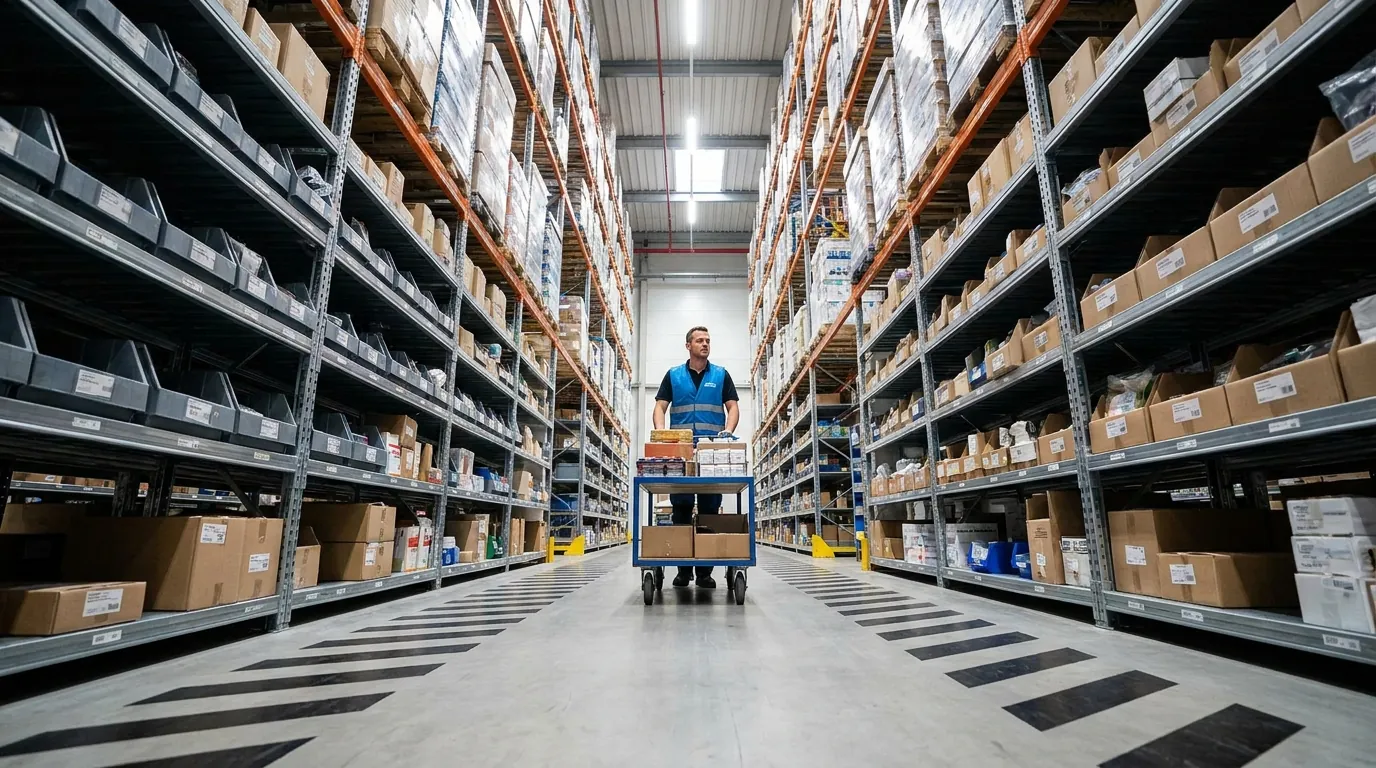
Introduction to Inventory Monitoring Systems
Inventory monitoring systems are crucial tools for logisticsLogisticsThe comprehensive management of the flow of goods, information, and resources from the point of origin to the point of consumption, encompassing planning, implementation, and control of efficient movement and storage.View full definition → managers aiming to optimize operations. These systems provide visibility, control, and efficiency, ensuring that inventory levels are adjusted to meet demand without excessive stock. By recognizing their significance, businesses can make informed decisions that enhance productivity.
What is an Inventory Monitoring System?
An inventory monitoring system is a technology solution that tracks and manages stock levels, orders, sales, and deliveries. It provides real-time data that helps businesses maintain proper inventory levels, ensuring readiness to meet customer demand without the pitfalls of overstocking or shortages. By automating and optimizing inventory-related tasks, these systems reduce the need for manual checks and diminish the likelihood of human error, which can be costly and time-consuming.
Logimax WMS offers solutions that simplify the complexities of inventory management. With its technology, businesses gain a clear understanding of their inventory status, enabling them to respond quickly to changes in demand. By integrating with existing systems, it helps businesses maintain a smooth flow of operations, enhancing overall efficiency.
Importance in Logistics
In logistics, inventory monitoring is crucial for minimizing costs and maximizing efficiency. A well-implemented monitoring system plays a pivotal role in ensuring that stock levels are appropriate at all times, which is essential for timely order fulfillmentFulfillmentThe complete process of receiving, processing, and delivering customer orders from initial placement through final delivery.View full definition →. When inventory levels are balanced, the risk of stockouts decreases significantly, reducing the potential for lost sales and customer dissatisfaction.
Furthermore, these systems facilitate improved decision-making by providing valuable insights into inventory trends and patterns. By analyzing this data, businesses can better anticipate market demands and adjust their strategies accordingly. This leads to more accurate forecasting, which is key to reducing unnecessary storage costs and improving overall supply chain performance.
Logimax WMS's solutions cater specifically to the needs of logistics managers by offering tools that enhance visibility and control over inventory processes. This technology supports the coordination of supply chain activities, ensuring that operations run efficiently. By using such systems, logistics managers can allocate resources more effectively, reduce waste, and ultimately improve customer satisfaction.
In summary, the role of inventory monitoring in logistics cannot be overstated. It impacts everything from cost management to customer service levels, making it an indispensable component of modern supply chain management. With the right system in place, businesses are better equipped to handle the challenges of warehousing and distribution in a competitive market.
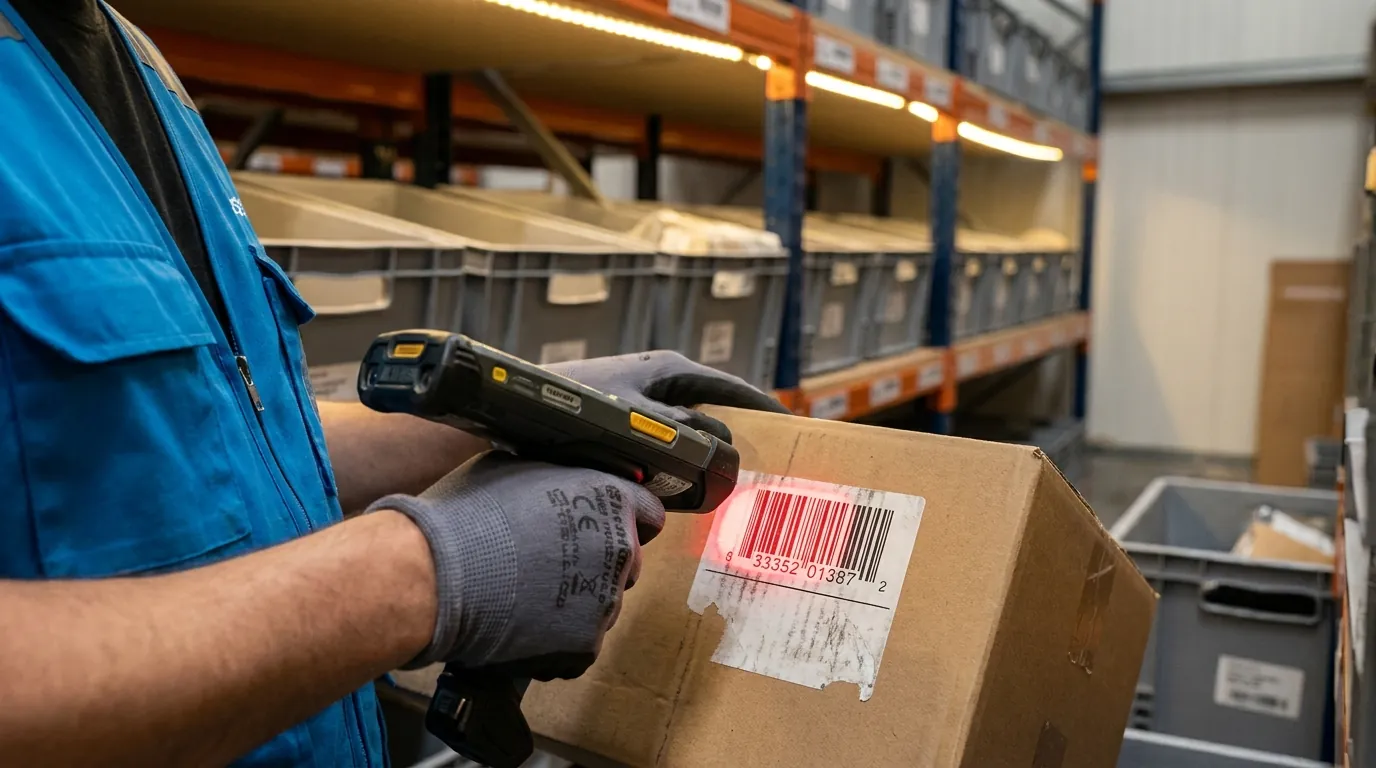
Smarter Warehouse Management Starts Here
Logimax WMS delivers real-time visibility, automated workflows, and seamless ERP integration for warehouses of every size.
Request a Demo
Benefits of Automated Inventory Monitoring
Automated inventory monitoring offers numerous advantages, including increased accuracy and efficiency. By automating inventory processes, businesses can reduce human error, save time, and focus on strategic tasks that drive growth. Automation also leads to significant cost savings by optimizing stock levels and reducing waste.
Efficiency and Accuracy
Implementing automated solutions in inventory management elevates both efficiency and accuracy, essential components for any thriving business. These systems provide a continuous influx of real-time inventory data, enabling swift, informed decision-making. With accurate inventory information at their fingertips, business leaders can significantly reduce the dependence on manual labor, which often comes with a higher risk of errors. This transition to automation not only diminishes the chances of human-induced mistakes but also allows teams to allocate their time more effectively on tasks that require critical thinking and creativity.
For instance, systems like Logimax WMS integrate seamlessly with a perpetual inventory system, ensuring that stock levels are consistently updated without the need for frequent physical counts. This integration helps businesses maintain an accurate view of their inventory status, facilitating better planning and improved customer satisfaction. Moreover, the precision afforded by these systems aids in reducing discrepancies in stock records, enhancing overall reliability.
Cost Savings
By minimizing overstock and stockouts, automated inventory monitoring helps businesses save money on storage and lost sales, contributing to a healthier bottom line. Maintaining optimal stock levels prevents unnecessary expenditures on excess inventory and lost sales opportunities. Automated systems contribute to a healthier financial state by enabling companies to maintain only the necessary inventory, thereby cutting down on storage costs and minimizing capital tied up in unsold goods.
Furthermore, efficient inventory control decreases the likelihood of obsolescence and spoilage, particularly in industries dealing with perishable goods or time-sensitive products. This is essential for maintaining profitability and ensuring resources are not wasted on items that cannot be sold. By reducing these inefficiencies, companies can allocate their financial resources more effectively across other areas of their operations.
In conclusion, the move towards automated inventory monitoring systems represents a strategic shift that enhances both operational efficiency and financial performance. With real-time data and reduced dependency on manual processes, businesses can respond more swiftly to market demands, optimize their supply chain, and ultimately, improve their bottom line. For further context, the Council of Supply Chain Management Professionals provides additional insights into how inventory management impacts supply chain effectiveness.
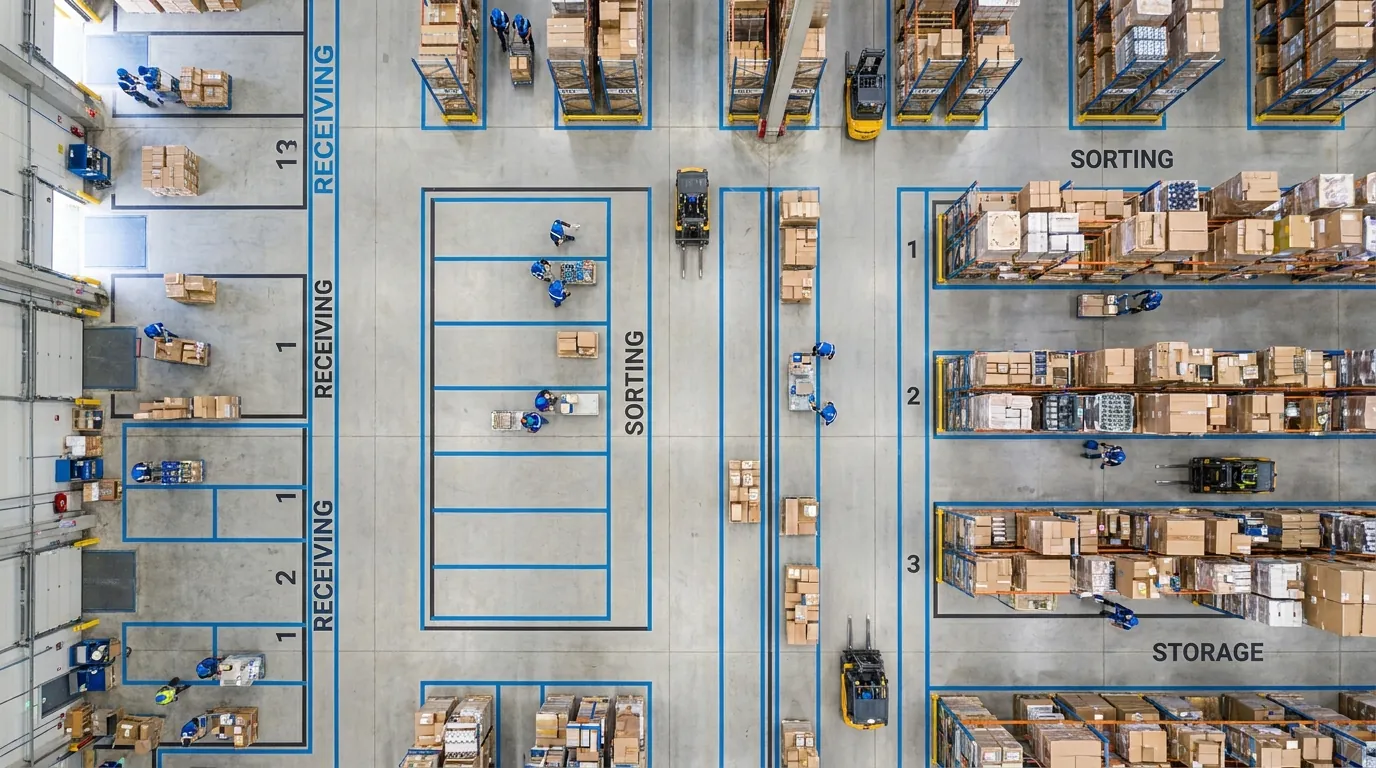
Implementing Real-Time Inventory and Monitoring Solutions
Key Steps
Implementing a real-time inventory and monitoring solution is a strategic move that can transform how businesses manage their stock and operations. The process begins with a thorough assessment of current inventory processes. This step is crucial to identify existing inefficiencies and gaps that the new system should address. Once the assessment is complete, selecting the appropriate technology that aligns with business needs and goals becomes a priority. This selection process should consider factors such as scalabilityScalabilityThe ability of a warehouse management system to effectively handle increasing or decreasing operational demands without compromising performance or requiring complete system overhauls.View full definition →, compatibility with existing systems, and the potential for future upgrades.
Training is another critical component of successful implementation. Employees need to be well-versed in the new system to maximize its benefits. This involves not only initial training sessions but also ongoing support and updates to keep up with technological advancements and changing business requirements. Continuous monitoring of the system’s performance ensures that any issues are promptly addressed, maintaining the accuracy and reliability of the data.
Moreover, the integration of technology with existing infrastructure should be planned meticulously to minimize disruption. This involves setting realistic timelines, allocating resources effectively, and ensuring clear communication across all levels of the organization. By following these key steps, businesses can ensure a smooth transition to a real-time inventory management system, paving the way for improved decision-making and operational efficiency.
Integration with Logimax WMS
Integrating real-time inventory monitoring solutions with Logimax WMS can significantly enhance a company's operational capabilities by providing greater visibility and control over inventory processes. Logimax WMS is designed to interface easily with a variety of technologies, allowing for the incorporation of advanced monitoring tools. This compatibility ensures that data flows smoothly between systems, enabling accurate, real-time insights that are crucial for effective inventory management.
One of the key advantages of using Logimax WMS is its ability to provide businesses with the tools they need to monitor stock levels, track product movements, and forecast demand with greater precision. By aligning these capabilities with the core principles of inventory management, companies can optimize their supply chain operations and reduce overhead costs.
Furthermore, collaborating with Logimax WMS means benefiting from a system that supports integration with various third-party applications, enhancing the overall functionality of your inventory management framework. This flexibility is essential in today’s fast-paced market environment, where adaptability can lead to a significant competitive edge.
By choosing Logimax WMS for integration, businesses are not only adopting a proven solution for inventory monitoring but also aligning with industry standards and best practices. For example, the Warehouse Education and Research Council (WERC) and other authoritative bodies emphasize the importance of integrating modern solutions to improve warehouse efficiency and accuracy. Embracing such practices can help companies stay ahead in a rapidly evolving industry landscape.
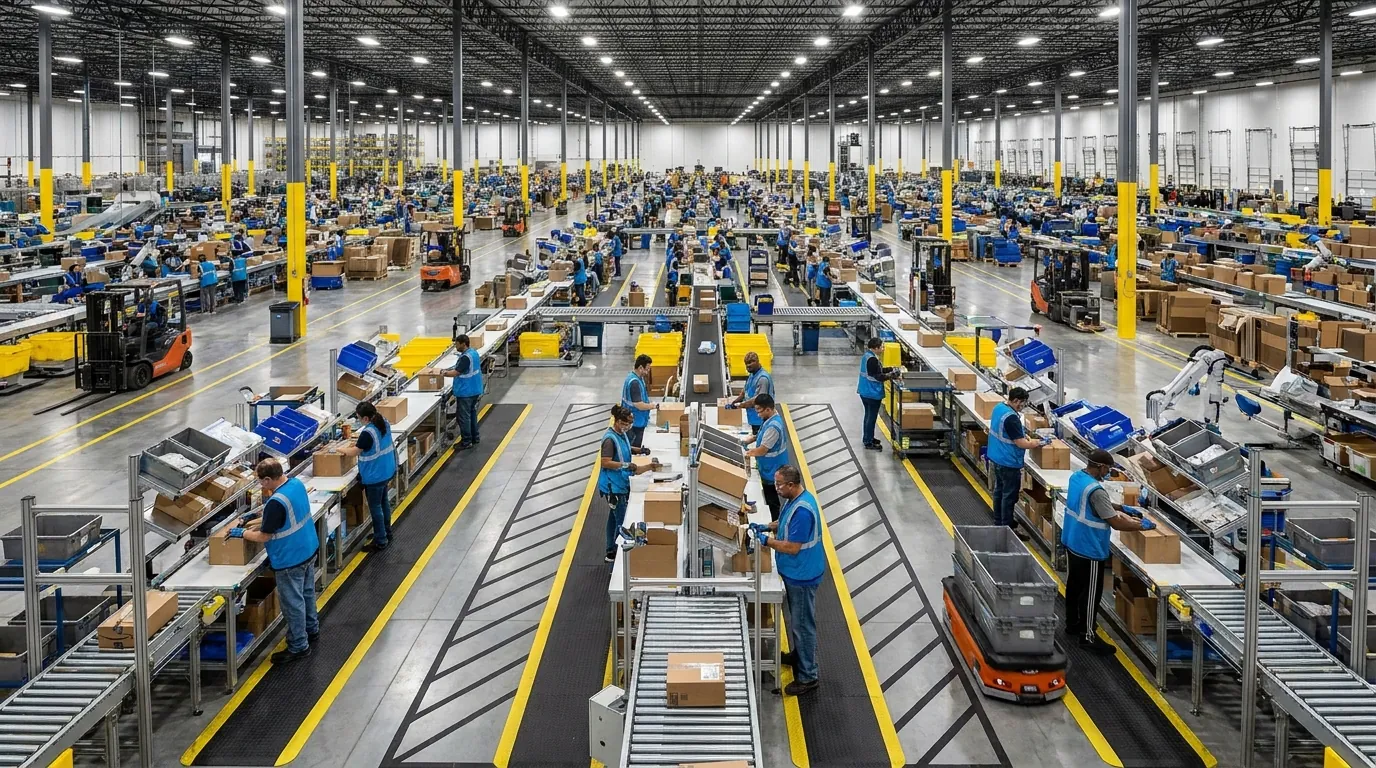
How to Evaluate an Inventory Monitoring Solution
Choosing an effective inventory monitoring solution is crucial for optimizing warehouse operations. To ensure you select the right system for your needs, it's essential to consider certain key features and ask pertinent questions.
Must-Have Capabilities Checklist
-
Real-Time Data Access: The ability to track inventory levels in real time is vital. This feature helps in reducing errors and improving decision-making processes.
-
Integration Capabilities: Ensure the system can integrate with your existing ERP or accounting software, facilitating smooth data flow across platforms.
-
Scalability: As your business grows, your inventory system should scale accordingly. Look for solutions that can handle increased data volumes and expanded operations.
-
User-Friendly Interface: A system with an intuitive interface reduces the learning curve for employees and enhances productivity.
-
Reporting and Analytics: Advanced reporting tools and analytics should be part of the package, offering insights into inventory trends and helping plan future strategies.
-
Mobile Access: With the rise of mobile technology, having a system accessible from smartphones and tablets ensures flexibility and quick access to crucial data.
-
Security Features: Protecting sensitive inventory data is non-negotiable. Look for systems with strong security measures, including user authentication and data encryption.
-
Customizability: Every warehouse operates differently. The ability to tailor the system to meet specific operational needs is a significant advantage.
Questions to Ask a Vendor
When evaluating potential vendors, asking the right questions can provide deeper insights into their offerings:
-
What types of businesses typically use your solution? Understanding the vendor’s typical client base can help assess whether their system is a good fit for your operations.
-
How does your system integrate with other software solutions? Integration is key to improving warehouse efficiency. Confirm the vendor can provide connections with your current systems.
-
Can the system be customized to our specific needs? Flexibility is crucial. Ask for examples of how the solution has been customized for other clients.
-
What kind of support and training do you offer? Comprehensive support and training options can significantly ease the transition to a new system and improve its adoption rate.
-
How do you handle system updates and maintenance? Regular updates and maintenance are essential for keeping the system running smoothly. Clarify how these are managed and their impact on operations.
-
What security measures are in place to protect our data? Data security must be a top priority. Ensure the vendor has strong protocols to safeguard your inventory information.
By thoroughly evaluating these aspects and posing the right questions, you can choose an inventory solution that not only meets your current requirements but also supports future growth. For more insights into optimizing warehouse operations, explore our comprehensive guide on improving warehouse efficiency here.
Challenges and Solutions in Inventory Monitoring
Common Challenges
While the advantages of an inventory monitoring system are numerous, businesses often encounter several hurdles that can impede their efficiency. One primary challenge is data integration. Many companies use a mix of legacy systems and newer technologies, which can lead to incompatibility issues. This lack of cohesion can cause delays in data transfer and hinder real-time visibility, crucial for effective decision-making.
Another significant obstacle is maintaining data accuracy. Errors in inventory data can lead to stock discrepancies, ultimately resulting in either overstocking or stockouts. Maintaining precise inventory data across various channels-whether online or in physical stores-remains a formidable task.
Additionally, system compatibility is a recurring issue. As businesses expand or change their operational models, their existing systems may not support new functionalities or integrate well with third-party applications. This can limit the scalability and flexibility necessary for growth.
Effective Solutions
To address these challenges, businesses must adopt a few strategic practices. First, investing in compatible technologies is crucial. Choosing systems that integrate well with existing infrastructure can dramatically reduce data silos and improve information flow. For instance, Logimax WMS offers configurable solutions that can adapt to specific business needs, aiding in integration across platforms.
Regular system audits are another effective strategy. Conducting periodic checks ensures that systems function optimally and data remains accurate. These audits can help identify potential issues before they escalate, allowing for timely interventions.
Training staff is equally important. Employees equipped with the right skills can manage and troubleshoot inventory systems more effectively, ensuring data integrity and operational efficiency. Comprehensive training programs focusing on new system updates and best practices can enhance team performance.
Moreover, adopting a warehouse management systemWarehouse Management SystemA software application that supports day-to-day warehouse operations by providing centralized management of tasks such as tracking inventory levels, stock locations, and movement of goods throughout the facility.View full definition → that is tailored to specific operational needs can mitigate many of these challenges. For instance, choosing a system designed for cold storageCold StorageA specialized warehousing environment that maintains controlled low temperatures to preserve perishable goods and extend their shelf life.View full definition → facilities can address unique requirements, such as temperature control and specialized stock management. For more insights, check out our article on choosing a warehouse management system for your cold storage warehouse.
By proactively addressing these challenges with targeted solutions, businesses can optimize their inventory processes. This not only boosts efficiency but also supports long-term growth and customer satisfaction.
Future Trends in Inventory Management Technology
As technology evolves, the landscape of inventory management is undergoing significant transformation. Emerging innovations like artificial intelligence (AI), the Internet of Things (IoT), and blockchain are poised to redefine how businesses approach inventory monitoring. By keeping abreast of these developments, companies can maintain a competitive edge and enhance the accuracy and efficiency of their operations.
Emerging Technologies
In the realm of inventory management, AI is playing a pivotal role in enhancing predictive analytics. By analyzing vast amounts of data, AI systems can forecast demand more accurately, helping companies optimize their stock levels and reduce waste. These systems learn from historical data to identify patterns and anticipate future needs, which can significantly improve decision-making processes.
The IoT is another groundbreaking technology transforming inventory monitoring. By equipping products and storage environments with sensors, businesses can gather real-time data on inventory levels, location, and even environmental conditions such as temperature and humidity. This continuous flow of information enables companies to respond more swiftly to changes, reducing instances of stockouts or overstocking.
Blockchain technology, known for its secure and transparent transaction records, is also making its way into inventory management. It offers a reliable method for tracking goods throughout the supply chain, ensuring the authenticity and integrity of inventory data. This transparency can build trust with customers and partners, as it allows for the verification of a product's journey from manufacturer to warehouse to consumer.
Predictions for the Future
Looking ahead, the future of inventory management promises even greater advancements. One notable trend is the move towards fully automated warehouses. Automation technologies, including robotics and AI-driven systems, are expected to handle a large portion of inventory tasks, from sorting to packaging. This shift will not only reduce reliance on manual labor but also enhance accuracy and speed in processing orders.
Another anticipated development is the integration of augmented reality (AR) in inventory systems. AR can assist warehouse staff by overlaying digital information onto the physical world, guiding them in locating items faster and more accurately. This technology could dramatically reduce picking errors and improve the efficiency of order fulfillment processes.
Furthermore, as sustainability becomes a growing concern, inventory management systems will likely incorporate features to support eco-friendly practices. This might include capabilities for monitoring the environmental impact of supply chain activities and optimizing routes to minimize carbon footprints.
As these trends unfold, platforms like Logimax WMS are expected to continue evolving, integrating these emerging technologies to provide businesses with more efficient and accurate inventory solutions. By anticipating these changes and adapting accordingly, companies can better position themselves to meet future challenges and opportunities in the field of inventory management.
Frequently Asked Questions
What is an inventory monitoring system?
An inventory monitoring system is a technological tool that tracks and manages inventory levels, orders, sales, and deliveries in real-time. It helps businesses maintain optimal stock levels, minimizing the risk of overstocking or stockouts, and enhances decision-making by providing valuable inventory insights.
Why is inventory monitoring important in logistics?
Inventory monitoring is crucial in logistics for cost reduction and operational efficiency. It ensures timely order fulfillment by keeping stock levels balanced, reducing the risk of stockouts and lost sales. It also provides insights into inventory trends, aiding in better demand forecasting and supply chain management.
How do automated inventory monitoring systems benefit businesses?
Automated inventory monitoring systems increase efficiency and accuracy by providing real-time data and reducing manual errors. They help businesses optimize stock levels, reduce waste, and improve decision-making, ultimately leading to cost savings and enhanced profitability.
What are the challenges of implementing an inventory monitoring system?
Challenges include data integration, maintaining data accuracy, and system compatibility. Businesses may face issues with integrating new and legacy systems, ensuring precise inventory data, and adapting systems to changing operational needs, which can impact scalability and flexibility.
What future trends are emerging in inventory management technology?
Emerging trends include AI for predictive analytics, IoT for real-time data gathering, and blockchain for secure supply chain tracking. These technologies enhance inventory accuracy, decision-making, and transparency, with future advancements expected in automation and augmented reality for warehouse operations.