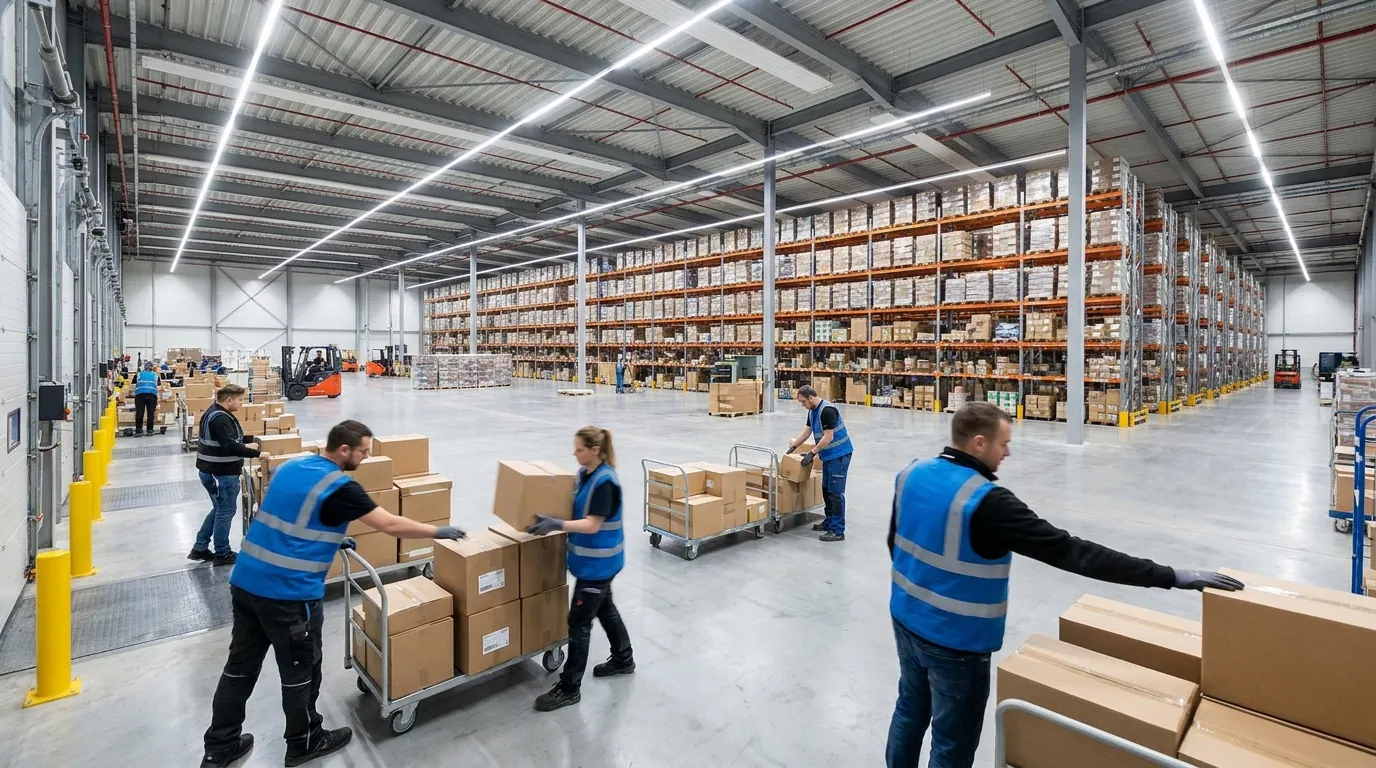
Introduction to RF Scanners and Their Role in Modern Warehouses
In the fast-paced environment of modern warehousing, efficiency and accuracy are paramount. The implementation of radio frequency (RF) scanning technology has transformed how warehouses operate, offering a significant boost to both productivity and precision. RF scanners have become a staple in the industry, enabling real-time data capture that reduces the likelihood of errors while enhancing inventory management. For any warehouse manager aiming to optimize operations, a solid grasp of how these scanners function and their significance in the warehousing process is essential.
Understanding RF Scanners
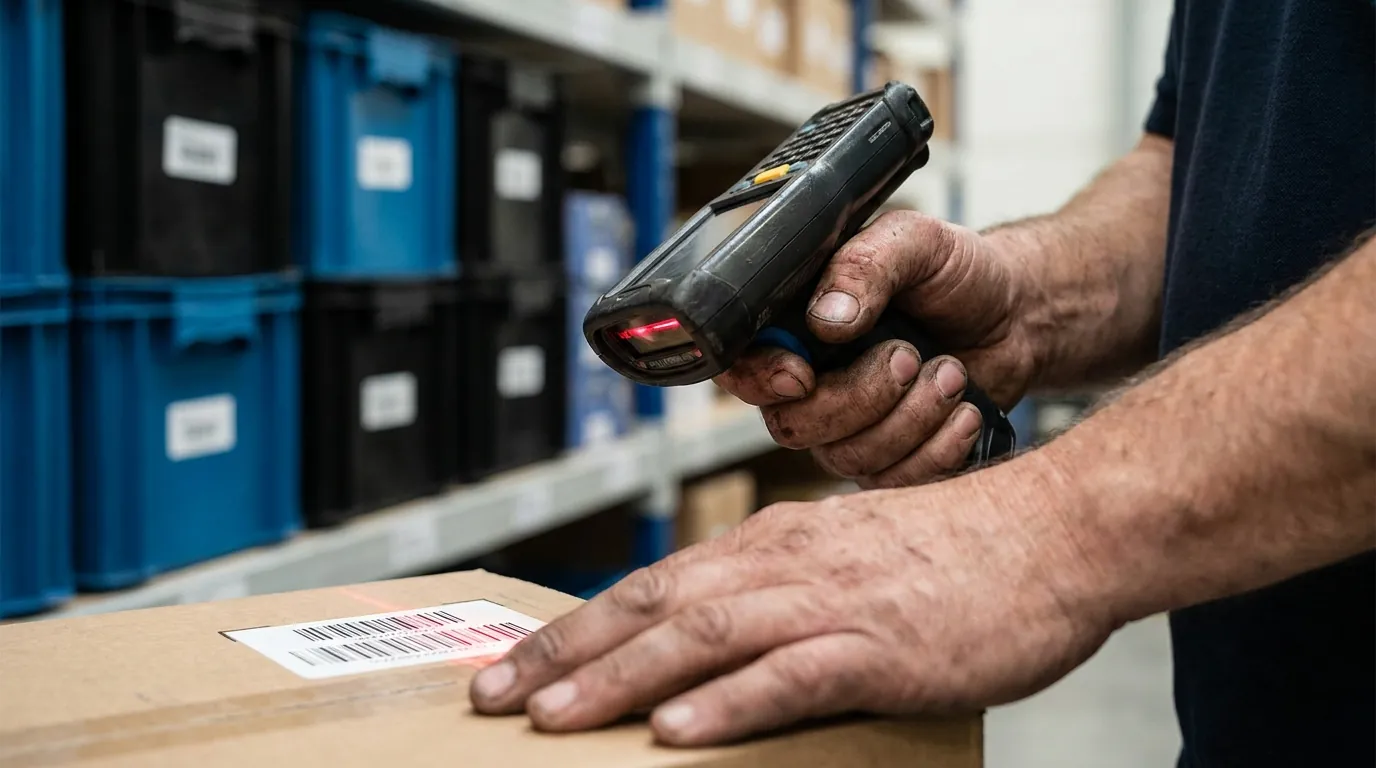
Radio frequency scanners are sophisticated tools that employ radio waves to facilitate communication between the scanning device and warehouse management systems. Unlike conventional barcode scanners, RF devices can transmit and receive data wirelessly, making them highly effective in dynamic warehouse settings. This technology allows for the swift collection of information on inventory levels, item locations, and order statuses, all without the need for direct line-of-sight scanning. By integrating with systems like Logimax WMS, RF scanners provide up-to-the-minute updates and help maintain a precise, comprehensive view of the warehouse's operations.
These devices are often handheld, but many warehouses also utilize mounted or wearable versions to suit various operational needs. Regardless of form, their core function remains the same: to facilitate the efficient and accurate tracking of goods throughout the supply chain. By reducing the time and effort required for data entry and verification, RF scanners enhance the overall workflow, allowing staff to focus on more strategic tasks.
Importance in Warehousing
The role these devices play in warehousing cannot be overstated. As warehouses face increasing pressure to deliver faster and more accurately, these devices offer a solution that significantly reduces the risk of human error. Manual processes often lead to mistakes in inventory counts or order fulfillmentFulfillmentThe complete process of receiving, processing, and delivering customer orders from initial placement through final delivery.View full definition →, which can result in costly discrepancies and customer dissatisfaction. By automating data capture and entry, they improve accuracy and reliability in inventory management, ensuring that the right products are available at the right time.
Furthermore, the efficiency gained from using RF technology translates into labor savings. Warehouse staff can complete tasks more quickly, as the need for manual data entry and verification diminishes. This not only speeds up operations but also allows warehouses to reallocate labor to other critical areas, maximizing productivity.
Incorporating RF scanningRF ScanningA data capture technology that uses radio frequency (RF) handheld devices or mobile computers equipped with barcode scanners to collect and transmit inventory information in real-time to the warehouse management system.View full definition → technology into warehouse operations with solutions like Logimax WMS facilitates better decision-making and operational visibility. The real-time data provided by these devices enables managers to make informed decisions about inventory levels, order processing, and even resource allocation, leading to a more responsive and agile warehouse environment.
In sum, these handheld tools are more than just a technological upgrade; they are a vital component of a modern warehouse's toolkit. By enhancing accuracy, efficiency, and data visibility, these devices play an essential role in meeting the demands of today's supply chain challenges.
Smarter Warehouse Management Starts Here
Logimax WMS delivers real-time visibility, automated workflows, and seamless ERP integration for warehouses of every size.
Request a Demo
Benefits of Using RF Scanner Guns in Warehouses
RF scanner guns offer numerous advantages for warehouse operations, notably in operational efficiency and accuracy. These durable devices are specifically designed to endure the demanding conditions of warehouse environments while maintaining consistent performance.
Operational Efficiency
Incorporating RF scanner guns into warehouse operations can drastically enhance productivity. These devices automate the data capture process, which significantly reduces the time spent on manual logging and processing tasks. By minimizing manual input, warehouse staff are freed up to focus on strategic activities that can further advance business goals. For instance, employees can allocate more time to process optimization or customer service improvements, as opposed to being bogged down by routine data entry tasks. This shift not only reduces labor costs but also speeds up the entire workflow, making operations more agile and responsive to market demands.
Moreover, the use of scanner guns ensures that data is transmitted in real-time, allowing for immediate updates to inventory systems. This real-time data transfer is crucial for maintaining an accurate picture of stock levels and optimizing inventory management. As a result, warehouses can better manage supply and demand, reducing the risk of overstocking or stockouts. For additional tips on improving shipping processes, consider exploring The Ultimate Guide to Dunnage in Shipping.
Accuracy and Speed
The accuracy and speed provided by RF scanner guns are pivotal in reducing errors within the warehouse. Human error is a common challenge in manual data entry, often leading to discrepancies in inventory records. By using RF scanners, warehouses can ensure that the data captured is precise, thereby maintaining an accurate inventory database. This accuracy is vital for effective warehouse management, as it provides a reliable foundation for decision-making and strategic planning.
In addition to accuracy, these devices enhance the speed of operations. Scanning is a swift process, allowing workers to move quickly from one task to another without the need for manual recording. This rapid data capture means that inventory updates are immediate, facilitating quicker turnaround times for order fulfillment and shipping. As a result, customer satisfaction can improve, as orders are processed and delivered more swiftly and accurately.
Overall, RF scanner guns are integral to modern warehouse operations by improving efficiency and accuracy. Their contribution to reducing labor costs, minimizing errors, and speeding up processes makes them an indispensable tool in the logisticsLogisticsThe comprehensive management of the flow of goods, information, and resources from the point of origin to the point of consumption, encompassing planning, implementation, and control of efficient movement and storage.View full definition → industry. For more information on the standards and best practices related to warehouse management, the Warehousing Education and Research Council (WERC) offers a wealth of resources and insights.
How Handheld RF Scanners Enhance Inventory Management
Mobility and Flexibility
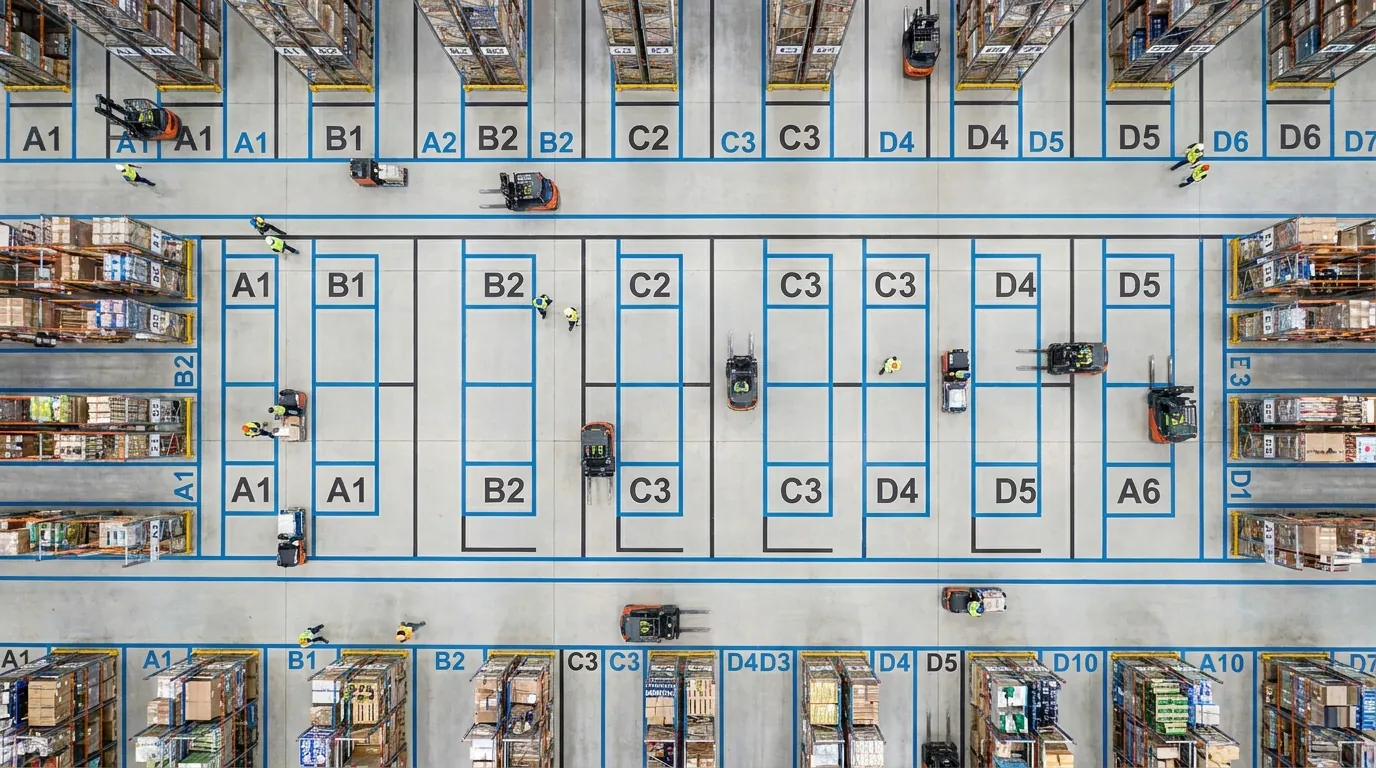
In the fast-paced environment of a modern warehouse, the ability to move freely while performing tasks is invaluable. Handheld RF scanners offer the portability that warehouse staff need to manage inventory efficiently. With these devices, workers can roam the entire facility, scanning products and capturing data without being tied to a stationary terminal. This mobility not only speeds up the process of inventory management but also reduces the physical strain on employees, as they can carry the lightweight devices comfortably throughout their shifts.
The flexibility afforded by handheld scanners means that they can be used in various areas of the warehouse, from receiving docks to storage racks, facilitating a more responsive approach to inventory management. This adaptability is especially important in warehouses that handle a wide range of products or have complex layouts. By enabling workers to quickly verify stock levels and locate items, handheld scanners help maintain the flow of operations, ensuring that inventory counts remain accurate. This is crucial for reducing errors and avoiding costly disruptions.
Integration with Logimax WMS
Integrating handheld RF scanners with Logimax WMS transforms inventory management by providing real-time data insights and enhancing the accuracy of inventory records. This integration allows for the efficient exchange of information between the scanner and the warehouse management systemWarehouse Management SystemA software application that supports day-to-day warehouse operations by providing centralized management of tasks such as tracking inventory levels, stock locations, and movement of goods throughout the facility.View full definition →, ensuring that every scan is immediately reflected in the central database. This real-time data capture helps managers make informed decisions, such as reallocating resources during peak times or identifying discrepancies before they escalate into significant issues.
Moreover, the combination of handheld scanners and Logimax WMS strengthens the ability to perform complex warehouse tasks, such as case picking. By simplifying data entry and retrieval, workers can efficiently process orders, reducing the time it takes to get products out the door. This not only boosts productivity but also enhances customer satisfaction by ensuring accurate and timely order fulfillment.
Handheld scanners integrated with Logimax WMS also support compliance with industry standards and best practices. For example, by adhering to guidelines set by organizations like the Warehousing Education and Research Council (WERC), businesses can ensure their operations meet or exceed industry benchmarks. This adherence is critical for maintaining a competitive edge in the logistics sector and for satisfying customer expectations.
In summary, the interaction between handheld RF scanners and Logimax WMS creates a more dynamic and responsive inventory management system. This integration not only enhances the accuracy and efficiency of warehouse operations but also supports strategic decision-making, ultimately leading to improved operational outcomes.
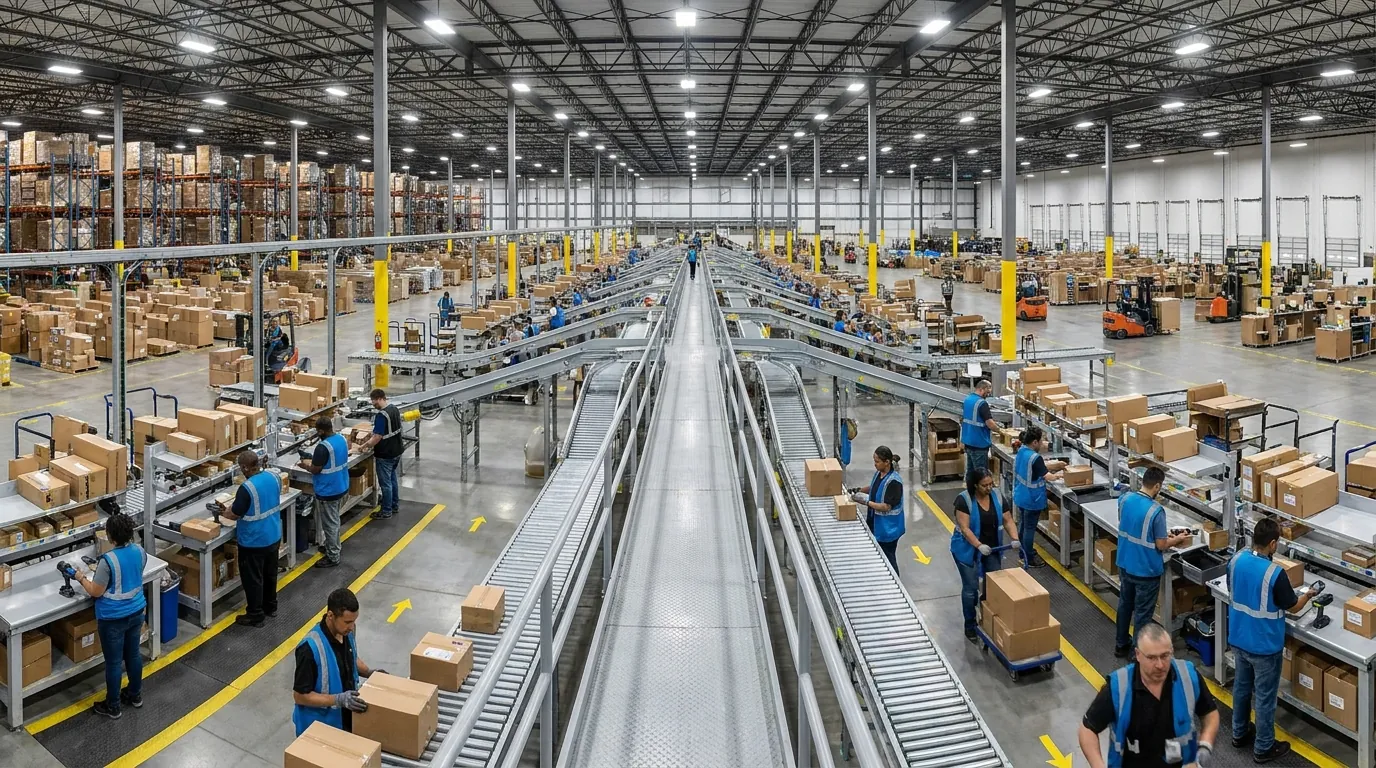
Comparing RF Scanners with Other Inventory Management Technologies
In the realm of warehouse management, understanding the nuances between different inventory tracking technologies is crucial. RF scanners, barcode systems, and RFIDRFIDA wireless technology that uses radio waves to automatically identify and track tags attached to objects, eliminating the need for direct line-of-sight scanning.View full definition → each present unique capabilities and advantages. By comparing these technologies, warehouse managers can make informed decisions tailored to their operational needs.
RF Scanners vs. Barcode Systems
RF scanners and barcode systems are often compared due to their similar roles in data collection. However, RF scanners generally offer faster data processing and greater accuracy, particularly beneficial in high-volume environments. Unlike traditional barcode systems that rely on manual scanning of items, RF scanners can transmit data wirelessly, reducing human error and increasing efficiency. This capability is particularly advantageous for operations that require rapid processing speeds, such as those managing high order volumes or implementing a ship complete strategy.
Barcode systems, while reliable, often require line-of-sight visibility and close proximity to the items being scanned. In contrast, RF scanners can operate at a distance, allowing for more flexibility and ease of use in larger warehouse spaces. Additionally, RF scanners can integrate with advanced software solutions like Logimax WMS to provide real-time updates and improve inventory accuracyInventory AccuracyThe degree to which the inventory quantity and location records within an inventory management system match the physical inventory in a warehouse.View full definition →, making them a preferred choice for warehouses seeking to enhance operational efficiency.
RF Scanners vs. RFID
While RFID technology offers automatic and non-line-of-sight tracking, RF scanners provide more precise control over specific inventory transactions. RFID tags can be read without direct contact, making them a powerful tool for tracking large numbers of items simultaneously. However, the cost associated with implementing RFID systems can be prohibitive for some warehouses, particularly smaller operations or those with budget constraints.
RF scanners, on the other hand, often offer a more cost-effective solution. They allow operators to verify and control inventory at a granular level, providing detailed insight into each scanned item. This precision is particularly valuable in scenarios where item-level accuracy is critical, such as in quality controlQuality ControlA systematic process of inspecting, testing, and verifying that products meet specified standards and customer requirements before they leave the warehouse.View full definition → processes or when managing high-value products.
Moreover, RF scanners can efficiently integrate with warehouse management software, including Logimax WMS, to enhance data accuracy and inventory visibility. While RFID excels in environments where bulk tracking is essential, RF scanners remain a practical choice for warehouses prioritizing cost-efficiency and precision. By choosing the technology that best aligns with their operational goals and budget, warehouse managers can optimize their inventory management practices effectively.
Choosing the Right RF Scanner for Your Warehouse
Selecting the right RF scanner for your warehouse is a critical step in optimizing your inventory management processes. The choice involves evaluating various hardware specifications and understanding the overall cost implications to ensure long-term benefits.
Hardware Selection Criteria
When choosing an RF scanner, consider several key hardware features that align with your warehouse operations. First, assess the range and connectivity options. Devices with strong wireless capabilities are crucial for maintaining real-time data synchronization across different warehouse zones. Look for scanners that support both Wi-Fi and Bluetooth to ensure flexible connectivity.
Ergonomics and durability are also vital. Since warehouse environments can be demanding, opt for devices that are lightweight yet sturdy enough to withstand drops and daily wear. User comfort is important, as employees will likely use these devices for extended periods. An ergonomic design can reduce fatigue and improve productivity.
Another crucial factor is scanning capability. Determine whether your operations require 1D or 2D barcode scanningBarcode ScanningA method of capturing information stored on a barcode attached to a product, package, or location using optical scanning technology.View full definition →. While 1D scanning may suffice for some, 2D scanners offer greater versatility, capable of reading QR codes and other complex barcodes. Additionally, evaluate the scanning speed and accuracy to keep up with your inventory turnoverInventory TurnoverA financial metric that measures how many times a company sells and replaces its entire stock of goods during a specific period, typically calculated by dividing cost of goods sold by average inventory value.View full definition →.
Consider the compatibility of the scanner with your existing systems, including warehouse management software like Logimax WMS. Ensuring that the scanner integrates smoothly will facilitate better data flow and operational efficiency. It's also beneficial to check if the device supports software updates to keep up with technological advancements.
Total Cost of Ownership Considerations
Beyond the initial purchase price, understanding the overall cost implications is essential for making a financially sound decision. Total cost considerations encompass not only the direct costs but also the indirect expenses associated with the scanner throughout its lifecycle.
Start by analyzing the upfront costs, including the device price and any necessary accessories. However, the longevity and reliability of the hardware can significantly impact long-term expenses. Opting for a slightly higher initial investment in a durable, high-performance scanner can reduce replacement and maintenance costs over time.
Operating costs are another component of total cost considerations. Consider the energy efficiency of the scanner and the cost of consumables, such as batteries or charging equipment. Devices with longer battery life and energy-efficient components can result in lower ongoing costs.
Maintenance and support expenses also factor into the overall cost. Investigate the warranty terms and support services offered by the manufacturer. Reliable after-sales support can prevent costly downtime and ensure that any issues are resolved promptly.
Finally, consider the potential for scalabilityScalabilityThe ability of a warehouse management system to effectively handle increasing or decreasing operational demands without compromising performance or requiring complete system overhauls.View full definition →. As your warehouse operations grow, the ability to easily integrate additional scanners can save future costs and effort. Choosing devices that allow for smooth scalability with Logimax WMS will help your warehouse adapt to evolving demands efficiently.
For more detailed information on RF terminals and other components, visit our glossary.
Future Trends in RF Scanning Technology and Their Impact on Warehousing
As technology evolves, the landscape of RF scanning is set to transform, presenting new avenues for efficiency and innovation in warehousing.
Emerging Technologies
The fusion of artificial intelligence and machine learning with RF scanning devices is on the horizon, promising to elevate data precision and enhance warehouse operations. These advanced technologies can analyze vast amounts of data collected by the scanners, offering insights that were previously unattainable. For instance, AI algorithms can detect patterns in inventory flow and predict stock shortages or surpluses, allowing warehouses to respond proactively.
Another promising development is the integration of Internet of Things (IoT) technology with RF systems. IoT-enabled devices can communicate with each other and with central systems, facilitating real-time data exchange and improving decision-making processes. This connectivity could lead to more dynamic and responsive warehouses, where RF devices play a central role in tracking inventory and equipment status.
Moreover, advancements in augmented reality (AR) technology are beginning to intersect with RF scanning. AR-equipped smart glasses can overlay relevant information onto a worker's field of view, aiding in faster and more accurate picking and packing processes. This innovation not only boosts productivity but also reduces error rates, making warehouse operations more efficient.
Predictions for the Future
Looking ahead, industry experts anticipate that RF scanning technology will continue to evolve, becoming an even more integral component of intelligent warehouse solutions. One potential development is the increased adoption of cloud-based systems, which will enable warehouses to manage data more flexibly and securely. By leveraging the cloud, warehouses can ensure that their RF data is accessible from anywhere, facilitating better coordination and management across different locations.
Another prediction is the growing emphasis on sustainability and energy efficiency in warehousing operations. Future RF scanning solutions may focus on reducing energy consumption and minimizing electronic waste, aligning with broader environmental goals. This could involve developing more energy-efficient devices or implementing recycling programs for outdated equipment.
Additionally, the role of RF technology in enhancing supply chain transparency is likely to expand. As consumer demand for traceability and ethical sourcing increases, warehouses may use RF scanning to provide detailed provenance information for each product. This transparency can foster greater trust between businesses and their customers, ultimately driving brand loyalty.
In conclusion, the future of RF scanning in warehousing is poised for significant advancements. As these technologies continue to develop, they will undoubtedly bring about more efficient and responsive warehouse operations, aligning with the strategic goals of companies like Logimax WMS. As these trends unfold, staying ahead of the curve will be crucial for businesses seeking to maintain their competitive edge in the rapidly evolving logistics landscape.
Frequently Asked Questions
What is an RF scanner and how does it work?
An RF scanner is a device that uses radio frequency technology to communicate with warehouse management systems, allowing for wireless data transmission and real-time inventory tracking. It collects information on inventory levels, item locations, and order statuses without requiring direct line-of-sight scanning.
How do RF scanners improve warehouse efficiency?
RF scanners enhance warehouse efficiency by automating data capture, reducing manual data entry errors, and providing real-time inventory updates. This automation enables faster processing times, decreases labor costs, and improves overall operational agility, allowing staff to focus on more strategic tasks.
What are the benefits of integrating RF scanners with Logimax WMS?
Integrating RF scanners with Logimax WMS enhances inventory management by providing real-time data insights and improving the accuracy of inventory records. This integration ensures efficient data exchange, enabling better decision-making and operational efficiency, and supports complex tasks such as case picking.
How do RF scanners compare to RFID technology?
RF scanners offer more precise control over inventory transactions at a lower cost compared to RFID systems, which provide automatic, non-line-of-sight tracking. While RFID is ideal for bulk tracking, RF scanners are better suited for applications where cost-efficiency and item-level accuracy are priorities.
What should I consider when choosing an RF scanner for my warehouse?
When selecting an RF scanner, consider connectivity options, ergonomics, scanning capabilities, and compatibility with existing systems like Logimax WMS. Evaluate the overall cost implications, including upfront costs, operating expenses, and scalability, to ensure long-term benefits.