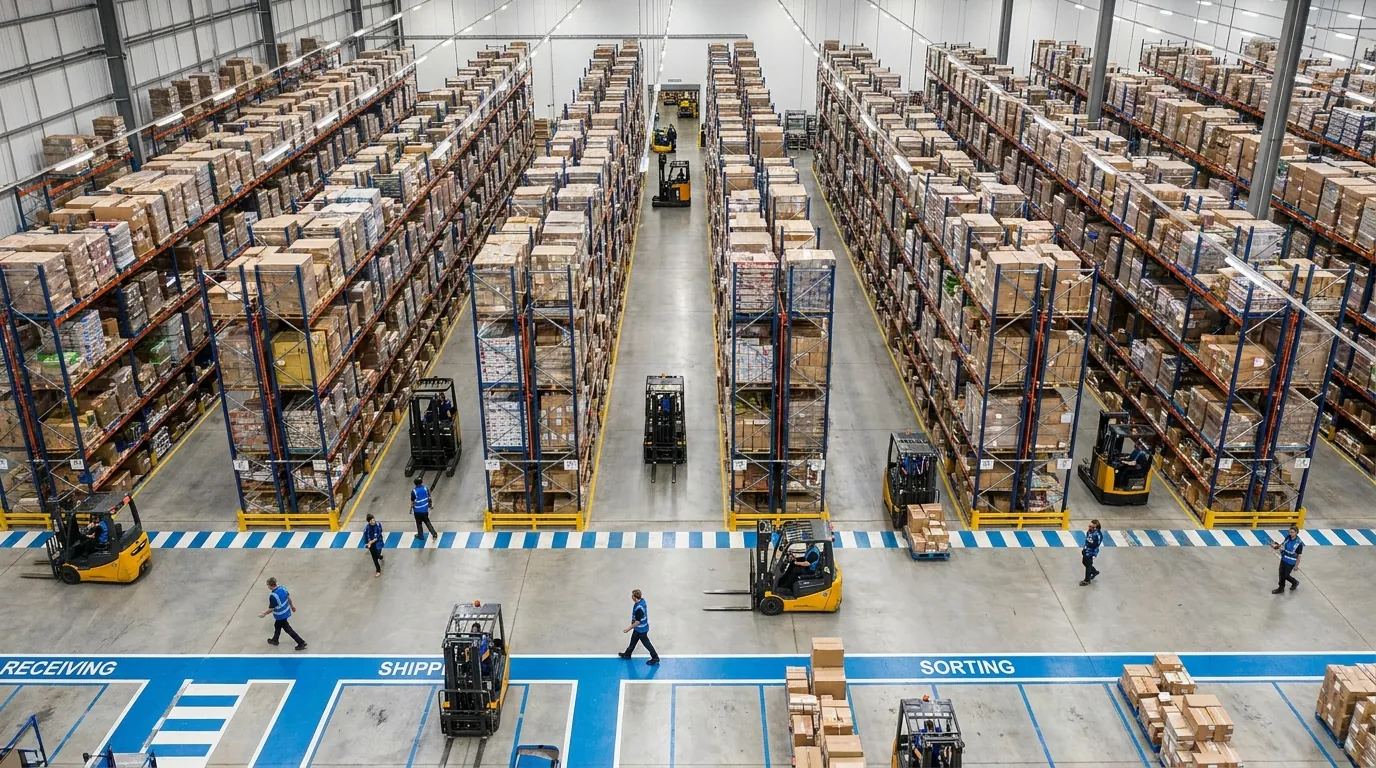

Introduction to Inventory Management Systems
In today's rapidly evolving business environment, efficient inventory management is vital for the success and sustainability of any organization. Inventory management systems are essential tools that assist businesses in tracking stock levels, managing orders, and ensuring product availability when needed. But what are inventory management systems, and why are they so crucial?
At their core, these systems are software solutions designed to oversee various aspects of inventory control. They enable businesses to monitor stock levels in real-time, forecast demand, and automate many processes involved in inventory management. This capability is essential to minimize overstock and stockouts, which can lead to significant financial losses if not managed properly.
One of the primary functions of inventory management systems is to maintain accurate inventory records. By doing so, businesses can optimize their supply chain operations, reduce waste, and improve overall efficiency. These systems often integrate with other business tools, such as accounting and shipping software, to provide a comprehensive view of a company's logisticsLogisticsThe comprehensive management of the flow of goods, information, and resources from the point of origin to the point of consumption, encompassing planning, implementation, and control of efficient movement and storage.View full definition → and financial health.
Inventory management solutions, like those offered by Logimax WMS, are tailored to meet the specific needs of various industries. Whether a business is in retail, manufacturing, or distribution, these systems can be customized to support specific operational requirements. This adaptability ensures that businesses can maintain a competitive edge in their respective markets.
Moreover, the data analytics capabilities of modern inventory management systems provide valuable insights into sales trends, customer preferences, and seasonal variations, enabling companies to make informed decisions about purchasing and production. By analyzing this data, businesses can anticipate market demands and adjust their strategies accordingly.
Another significant benefit of using these systems is the reduction of manual errors. Automated processes and real-time updates eliminate the need for time-consuming and error-prone manual inventory checks. This not only saves time but also enhances accuracy, leading to improved customer satisfaction and increased profitability.
In conclusion, understanding what inventory management systems are and their importance can significantly enhance a business's operations. By automating and optimizing inventory-related tasks, companies can focus on growth and innovation, ensuring they meet customer needs effectively and efficiently.

Smarter Warehouse Management Starts Here
Logimax WMS delivers real-time visibility, automated workflows, and seamless ERP integration for warehouses of every size.
Request a Demo
What Are Inventory Management Systems?
Inventory management systems are specialized software platforms that enable businesses to efficiently oversee their stock levels, manage product replenishmentReplenishmentThe process of moving or resupplying inventory from a reserve (or upstream) storage location to a primary (or downstream) storage or picking location, or to another facility.View full definition →, and coordinate the logistics of material handling. By integrating these systems, organizations can track inventory in real time, ensuring that they have the right amount of stock at the right time. This not only minimizes the chances of overstock or stockouts but also helps in maintaining a balanced supply chain.
One of the primary functions of inventory management solutions is to provide a comprehensive overview of inventory status. This includes tracking products from the point of purchase through to sale, and often even returns. By having detailed insights into stock locations and movement, businesses can optimize storage space and improve order accuracy. With such capabilities, companies can enhance their operational efficiency and meet customer demands more effectively.
Another critical aspect of these systems is their ability to forecast inventory needs. By analyzing historical data and identifying trends, inventory management software can predict future demand, which aids in making informed purchasing decisions. This predictive capability is crucial for businesses that experience seasonal fluctuations or have rapid product turnover.
Moreover, these systems often integrate with other business functions, such as accounting and customer relationship management (CRM) tools. This integration enables a unified approach to managing resources and facilitates better financial planning. For example, syncing inventory data with accounting systems can help in accurately calculating costs and profits, while integration with CRM systems can enhance customer service by providing precise information about product availability and delivery times.
Logimax WMS offers features that align with these critical functions, providing businesses with a platform that supports efficient inventory management. By adopting such a system, companies can not only improve their operational workflow but also boost overall productivity.
In today's dynamic market environment, utilizing inventory management systems is essential for maintaining a competitive edge. These systems are not just about tracking products; they are a strategic tool for optimizing the entire supply chain process. For more detailed insights into inventory management practices, you can refer to resources from the Council of Supply Chain Management Professionals.

Inventory Management System Examples
There is an impressive variety of inventory management systems available today, each designed to address specific business needs and operational complexities. Understanding what these systems offer can help businesses select the right tool for their needs. One primary focus for many systems is real-time tracking, which allows companies to monitor inventory levels instantly. This feature is particularly beneficial for operations that require quick decision-making and rapid response to changes in supply and demand.
Another significant capability offered by some inventory management solutions is advanced analytics. These systems provide businesses with deep insights into their inventory data, enabling them to forecast demand more accurately, optimize stock levels, and ultimately make more informed business decisions. For instance, an analytics-driven system can identify trends and patterns in purchasing behavior, allowing companies to adjust their strategies accordingly.
Logimax WMS caters to various industry needs by integrating a comprehensive suite of features that support different aspects of inventory management. Its platform is designed to enhance productivity and efficiency through features such as automated order processing, which reduces human error and accelerates order fulfillmentFulfillmentThe complete process of receiving, processing, and delivering customer orders from initial placement through final delivery.View full definition →. This system also supports diverse industries, from retail to manufacturing, by providing tools that are tailored to the unique challenges and requirements of each sector.
In contrast, some inventory management systems prioritize integration with other business tools. These systems often offer extensive compatibility with enterprise resource planning (ERP) systems, which can help businesses maintain a cohesive and unified approach to managing their operations. By syncing inventory data with financial and operational data, companies can achieve a comprehensive view of their business performance.
For those exploring what are inventory management systems, it's essential to consider the level of customization available. Some solutions offer highly customizable platforms that can adapt to specific workflows or scale with business growth. This adaptability ensures that the system remains relevant and useful as the company's needs evolve.
To explore more about inventory management systems and their functionalities, the Council of Supply Chain Management Professionals provides a wealth of information and resources for businesses looking to optimize their supply chain operations.
In conclusion, selecting the right inventory management system depends on a clear understanding of your business needs and the specific capabilities you require. Whether it's real-time tracking, advanced analytics, or smooth integration, the right system can significantly enhance your operational efficiency and business outcomes.

What Are the 4 Types of Inventory Management?
Efficient inventory management is crucial for businesses to maintain optimal stock levels and ensure smooth operations. The four primary types of inventory management strategies are Just-In-TimeJust-In-TimeA strategy that reduces inventory levels by coordinating production and delivery so items arrive exactly when they are needed, minimizing storage costs and waste while improving cash flow.View full definition → (JIT), Material Requirements Planning (MRP), Economic Order QuantityEconomic Order QuantityThe optimal order quantity that minimizes the total costs associated with inventory management, including holding costs, ordering costs, and potential shortage costs.View full definition → (EOQ), and ABC AnalysisABC AnalysisA method of classifying inventory items into three categories (A, B, and C) based on their relative importance to business operations, typically measured by annual consumption value, sales volume, or profit contribution.View full definition →. Each offers unique approaches to managing inventory, catering to different business needs.
Just-In-Time (JIT)
Just-In-Time (JIT) inventory management focuses on reducing waste and improving efficiency by receiving goods only as they are needed in the production process. This approach minimizes holding costs and reduces the risk of overstocking. By implementing JIT, businesses can respond quickly to market demands and adapt to fluctuations without carrying excess inventory. For companies aiming to maintain lean operations, JIT can be a vital strategy.
Material Requirements Planning (MRP)
Material Requirements Planning (MRP) is a system designed to manage manufacturing processes by ensuring that materials and products are available for production and delivery to customers. MRP uses sales forecasts and production schedules to determine the quantity and timing of raw materials needed. This method helps businesses plan their manufacturing activities, delivery schedules, and purchasing activities effectively. With Logimax WMS, companies can integrate MRP data smoothly, ensuring timely procurementProcurementThe systematic process of identifying, sourcing, negotiating, and acquiring goods, services, or works from external suppliers to meet organizational needs.View full definition → and production scheduling.
Economic Order Quantity (EOQ)
Economic Order Quantity (EOQ) is a formula-based inventory management strategy that determines the optimal order quantity minimizing total inventory costs, including ordering and holding costs. By calculating the most cost-effective order quantity, businesses can reduce expenses associated with frequent ordering and excessive inventory storage. EOQ is particularly beneficial for companies that need to maintain a balance between inventory ordering and storage costs. Logimax WMS can assist businesses in applying EOQ principles to optimize their inventory levels effectively.
ABC Analysis
ABC Analysis is an inventory categorization method that divides items into three categories: A, B, and C. Category A consists of high-value items with low frequency of sales, Category B includes moderate-value items with moderate sales frequency, and Category C comprises low-value items with high sales frequency. By focusing resources on managing Category A items more closely, businesses can maximize efficiency and cost-effectiveness. This strategy allows companies to prioritize their inventory management efforts based on the value and sales frequency of their products.
Understanding these four types of inventory management systems can help businesses customize their strategies to meet specific operational needs and achieve greater efficiency in their supply chain processes.
Benefits of Using Inventory Management Systems
Adopting an inventory management system offers a multitude of advantages that can substantially enhance a business's operational efficiency and financial performance. By implementing such a system, companies can experience a significant reduction in overhead expenses, achieve greater precision in tracking inventory, and elevate customer satisfaction levels through improved product availability.
Cost Reduction
One of the most immediate benefits of using an inventory management system is the potential for cost savings. By automating various inventory processes, businesses can minimize labor costs associated with manual tracking and reduce errors that often lead to costly corrections. Additionally, these systems help in optimizing stock levels, thereby preventing overstocking and minimizing storage expenses.
Improved Accuracy
Accuracy in inventory tracking is crucial for any business, and inventory management systems play a pivotal role in achieving this. These systems provide real-time data on stock levels, movements, and locations, thus reducing the likelihood of human error. This precise tracking ensures that the inventory records are up-to-date and reliable, facilitating better decision-making and planning.
Enhanced Customer Satisfaction
Improved product availability is another significant benefit of employing inventory management systems. By maintaining accurate inventory records, businesses can ensure that products are always available when customers need them. This leads to fewer out-of-stock situations and backorders, enhancing the overall customer experience. Satisfied customers are more likely to return and recommend the business to others, contributing to increased sales and customer loyalty.
Efficient Resource Utilization
Inventory management systems enable businesses to make better use of their resources. By providing insights into inventory turnoverInventory TurnoverA financial metric that measures how many times a company sells and replaces its entire stock of goods during a specific period, typically calculated by dividing cost of goods sold by average inventory value.View full definition → rates and demand patterns, these systems aid in optimizing inventory levels and ordering processes. This leads to more efficient use of storage space and ensures that capital is not tied up in excess inventory.
Enhanced Decision-Making
The data generated by inventory management systems is invaluable for strategic planning and decision-making. Businesses can analyze trends and patterns to forecast demand, manage supply chain disruptions, and develop more effective marketing strategies. This data-driven approach helps in making informed decisions that align with business goals and market dynamics.
In conclusion, the benefits of using inventory management systems are manifold, contributing to improved cost management, operational efficiency, and customer satisfaction. As businesses continue to seek ways to enhance their competitive edge, these systems offer a practical solution for optimizing inventory processes and achieving strategic objectives.
Choosing the Right System for Your Business
Selecting the ideal inventory management system requires a careful assessment of your business's unique needs, budget constraints, and specific industry demands. This decision can significantly impact your operations, so it's important to thoroughly evaluate what different solutions offer.
To begin, identify your core inventory challenges. Whether you face issues with stockouts, overstocking, or complex supply chains, an effective solution should address these pain points. Consider software like Logimax WMS, which offers customizable features that can be tailored to meet your specific requirements. This flexibility ensures that the system can grow with your business, adapting to changes in scale or market dynamics.
Next, consider the technological capabilities of the system. In today's dynamic environment, staying ahead with future-ready technology is crucial. Systems that integrate with emerging technologies like artificial intelligence or the Internet of Things (IoT) can provide valuable insights and automation capabilities. Logimax WMS, for instance, is designed to incorporate such innovations, helping you maintain a competitive edge.
Cost is another critical factor. It's essential to balance the features and benefits of a system with what your budget allows. Look for solutions that offer a clear return on investment, minimizing upfront costs while maximizing long-term savings through improved efficiency and accuracy. Remember, the most expensive system is not always the best fit for your business.
Additionally, consider the ease of implementation and user-friendliness of the system. A complex setup process or a steep learning curve can lead to downtime and frustration. Opt for systems that offer intuitive interfaces and strong customer support, ensuring a smooth transition for your team. Logimax WMS, for example, provides comprehensive support and training to facilitate a hassle-free implementation.
Lastly, don't overlook the importance of vendor reputation and customer reviews. Research the experiences of other businesses within your industry to gauge the reliability and performance of potential systems. A well-regarded vendor with a track record of success can provide confidence in your decision.
In summary, choosing the right inventory management system involves a detailed analysis of your specific business needs, technological requirements, budget, and the reputation of potential vendors. By prioritizing these factors, you can select a system that enhances your operations and supports your business's growth.
Frequently Asked Questions
What are inventory management systems used for?
Inventory management systems are used to track, manage, and organize a company's inventory levels, orders, sales, and deliveries. They help businesses maintain optimal stock levels, reduce costs, and improve customer satisfaction by ensuring product availability.
How do inventory management systems improve operational efficiency?
Inventory management systems improve operational efficiency by automating inventory tracking, reducing manual errors, and providing real-time data. This allows businesses to optimize stock levels, improve order processing, and enhance decision-making, leading to cost savings and better resource utilization.
What is Just-In-Time inventory management?
Just-In-Time (JIT) inventory management is a strategy where inventory is received only as needed for production, minimizing holding costs and reducing waste. This approach allows businesses to be more responsive to market demand without carrying excess stock, making it ideal for lean operations.
Why is real-time tracking important in inventory management?
Real-time tracking is crucial as it provides up-to-date information on inventory levels, movements, and locations. This accuracy helps prevent overstocking and stockouts, ensures timely order fulfillment, and enhances customer satisfaction by ensuring products are available when needed.
How can businesses choose the right inventory management system?
Businesses should assess their specific inventory challenges, budget, and industry needs when choosing a system. Key factors include technological capabilities, ease of integration, cost-effectiveness, and vendor reputation. Systems like Logimax WMS offer customizable features to meet diverse business requirements.